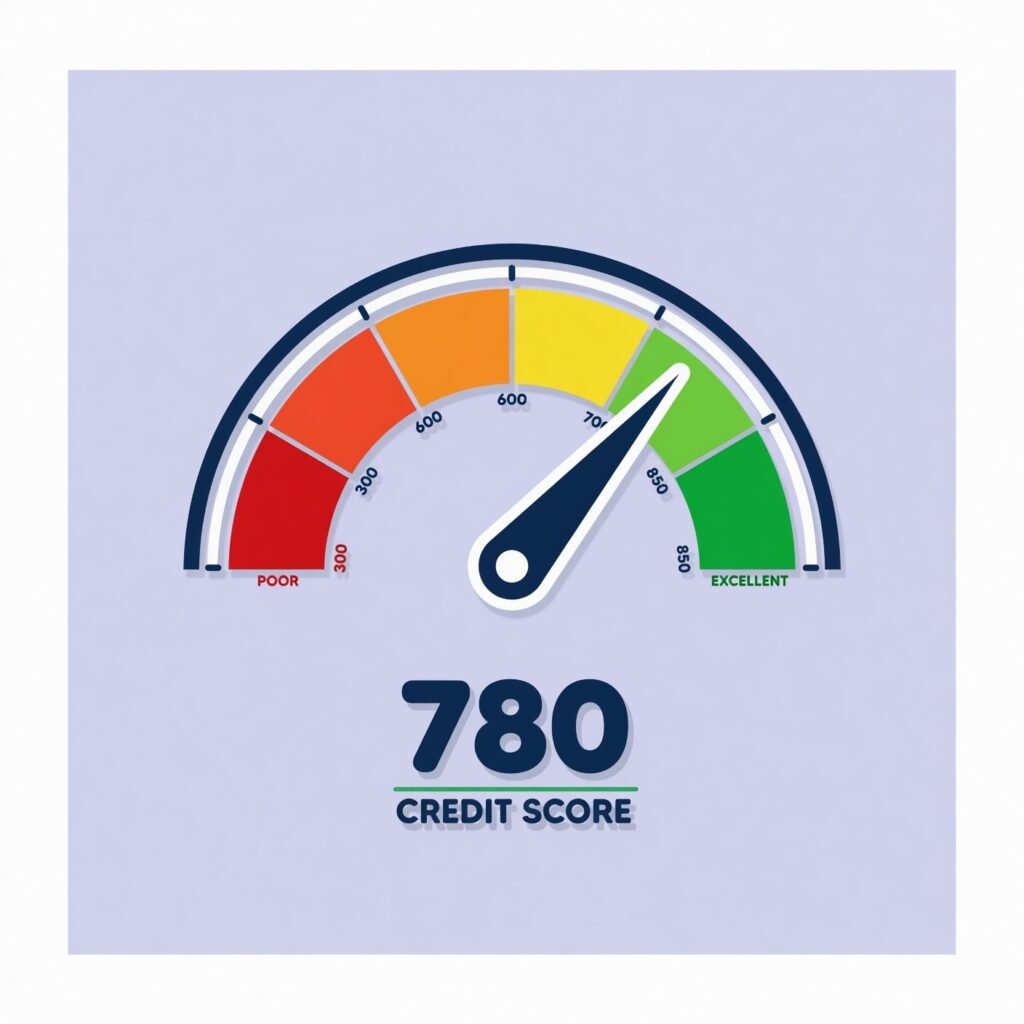
When you are shopping around for a major financial milestone—whether it is buying a home, getting a new car, or consolidating existing high-interest debt—finding the lowest interest rate is your number-one goal. Even a fraction of a percentage point can save you thousands of dollars over the lifetime of a loan. Naturally, the best way to find that rock-bottom rate is to apply with multiple lenders and compare their offers side-by-side.
However, this strategy often triggers an immediate wave of anxiety for many borrowers: Will submitting multiple loan applications ruin my credit score?
It is a valid concern. Every time a lender checks your credit files during a formal application, it leaves a footprint. If you approach the process incorrectly, a series of poorly timed applications can signal financial distress to underwriters, dragging your credit scores down and potentially leading to outright loan rejections.
But here is the good news: credit scoring models are smarter than most people realize. They are designed to distinguish between a savvy consumer who is simply comparison shopping and a high-risk borrower who is desperately trying to take on too much debt at once. Understanding how these algorithms treat multiple credit checks is the key to shopping safely without damaging your financial standing.
Soft vs Hard Inquiries: Understanding the Critical Difference on Your Credit Report

To understand how multiple loan applications affect your credit health, you must first master the distinction between the two types of credit checks: soft inquiries and hard inquiries. They serve entirely different purposes, and only one of them has the power to alter your actual credit scores.
What Is a Soft Credit Inquiry?
A soft inquiry (or a “soft pull”) occurs when your credit report is checked for reasons not directly tied to a brand-new, official loan application. Because you are not actively attempting to take on new debt obligations, soft inquiries have zero impact on your credit scores.
Common examples of soft inquiries include:
-
Checking your own credit score through a free monitoring app or bank portal.
-
Background checks run by a prospective employer or a landlord.
-
Pre-screening checks conducted by credit card companies to send you “pre-approved” promotional offers in the mail.
-
Routine account reviews performed by your existing credit card issuers to see if you qualify for a credit limit increase.
Note: Soft inquiries appear on the credit report versions that you pull for personal records, but they are completely hidden from lenders when they review your file. You could have a hundred soft pulls on your report this month, and your credit standing would remain perfectly untouched.
What Is a Hard Credit Inquiry?
A hard inquiry (or a “hard pull”) takes place when you formally apply for credit, authorizing a financial institution to review your complete consumer credit history from the major credit bureaus. In this scenario, the lender is assessing your creditworthiness because they are preparing to risk their capital on you.
Common examples of hard inquiries include:
-
Submitting an official mortgage application.
-
Applying for an auto loan at a bank or dealership.
-
Filling out an application for a new rewards credit card.
-
Requesting a student loan, personal loan, or business line of credit.
Because hard inquiries represent an active attempt to increase your total debt load, the major credit scoring models treat them as a potential risk factor. Consequently, a single hard inquiry will typically cause a small, temporary dip in your credit score—usually between three to five points for a borrower with an otherwise healthy credit history.
How Do Multiple Hard Credit Inquiries Impact Your Credit Score Calculation?
To understand why multiple hard inquiries can become a problem, it helps to look closely at the math behind your credit profile. The credit world relies primarily on two major scoring algorithms: FICO and VantageScore. While they use slightly different calculations, both look at the same underlying data categories.
As the chart demonstrates, new credit and inquiries account for exactly 10% of your total credit score calculation. While it is not the largest slice of the pie—that title belongs to your payment history (35%) and your overall credit utilization ratio (30%)—it is still a significant factor that can make the difference between qualifying for a premium interest rate or being pushed into a costlier tier.
The Algorithm’s Perspective: Smart Consumer vs. Financial Distress
Why do credit scoring models penalize hard inquiries at all? The answer comes down to historical consumer data and risk modeling.
Statistically, consumers who suddenly apply for multiple new credit accounts within a short window are significantly more likely to experience financial strain, fall behind on payments, or declare bankruptcy compared to those who do not look for new credit. If someone applies for four credit cards and three personal loans in the span of two weeks, it often signals to an underwriter that the consumer is running out of cash or trying to accumulate debt quickly before their financial profile degrades further.
However, the algorithms also recognize that looking for a single major loan (like a mortgage or a car loan) requires shopping around with different lenders to secure a fair rate. To prevent consumers from being penalized for smart financial behavior, the scoring models built an intentional safety feature into the system: deduplication (or inquiry bundling).
The Mortgage, Auto, and Student Loan Rate-Shopping Exception Explained
The deduplication rule is the single most important safety mechanism you have when navigating multiple loan applications. It ensures that when you are shopping for specific types of loans, the credit scoring systems will bundle multiple separate hard inquiries together, treating them as if you applied with just one lender.
This means you can apply with ten different mortgage lenders to compare interest rates and closing fees, and your credit score will only take the minor hit of a single hard inquiry.
However, this rate-shopping window is governed by strict rules regarding the type of loan you are seeking and the specific timeframe you use.
Understanding the Shopping Windows Across Scoring Models
The length of your protected rate-shopping window depends entirely on the specific version of the scoring model a lender uses to evaluate your application:
| Credit Scoring Model Version | Type of Loans Covered | Length of the Rate-Shopping Window |
| VantageScore (All Versions) | Mortgages, Auto Loans, Student Loans | 14 Days (All identical inquiries in this period count as one) |
| Older FICO Models (FICO 2, 4, 5) | Historically used for Mortgages | 14 Days |
| Modern FICO Models (FICO 8, 9, 10) | Auto Loans, Student Loans, Personal Financing | 45 Days (All identical inquiries in this period count as one) |
Because you rarely know ahead of time exactly which version of the FICO score or VantageScore a lender will pull, the safest practice is always to compress your comparison shopping into the tightest timeframe possible. If you complete all of your loan applications within a 14-day window, you are fully protected across every major scoring model in existence today.
The 30-Day Auto-Inquiry Buffer
FICO models include an additional layer of protection known as the “inquiry buffer.” When you submit a hard inquiry for a mortgage, auto loan, or student loan, FICO completely ignores that inquiry for the first 30 days when calculating your live score.
This means if you apply for a car loan today, get approved, buy the vehicle next week, and finalize the paperwork all within 30 days, the inquiry won’t lower your score at all during the actual buying process. The minor score adjustment will only appear on your report after the 30-day buffer passes.
Why Applying for Multiple Credit Cards and Personal Loans Risks Immediate Rejection

It is critical to know that the rate-shopping bundling exception does not apply to all types of credit applications. It is strictly reserved for large, asset-backed loans or student loans where comparison shopping is standard practice.
If you apply for multiple revolving credit lines or unsecured personal loans, every single application will count as an independent, standalone hard inquiry. There is no bundling protection available for these products.
-
Credit Cards: If you apply for five different credit cards in one afternoon hoping to get approved for at least one, your credit report will show five distinct hard inquiries. Your score could instantly drop by 15 to 25 points or more, and your report will look highly risky to lenders.
-
Personal Loans: Unsecured personal loans used for debt consolidation, home renovations, or medical bills generally do not qualify for inquiry bundling under standard FICO algorithms. Each lender you formally apply with will leave an individual scar on your score.
-
Lines of Credit: Retail store cards, personal lines of credit, and cash advance products always register as individual hard pulls.
The Danger of the “Application Cascade”
When you apply for multiple credit cards or personal loans in rapid succession, you risk triggering an automated denial loop known as an application cascade.
Modern lending decisions are heavily automated. When the second or third credit card issuer pulls your file and sees multiple hard inquiries generated over the preceding days, the automated underwriting system assumes you were already rejected by the first lenders. The system marks your profile as “seeking credit aggressively” and triggers an automatic denial. This leaves you with a lower credit score and multiple rejections, all without securing the cash you needed.
The Timeline: How Long Do Multiple Loan Applications Remain on Your Credit File?
When your credit score drops after submitting multiple applications, the damage is not permanent. Hard inquiries have a clear, federally regulated lifespan on your consumer credit report.
The Two-Year Retention Rule
By law, hard inquiries can remain visible on your credit reports for exactly two years (24 months) from the precise date the inquiry was generated. Once that two-year mark hits, the credit bureaus (Equifax, Experian, and TransUnion) must automatically scrub the inquiry from your file completely.
The One-Year Scoring Limit
While an inquiry stays on your report for 24 months, it only impacts your active credit score calculation for the first 12 months (1 Year).
Once a hard inquiry crosses its one-year anniversary, the FICO and VantageScore algorithms completely stop factoring it into your score. It becomes functionally dormant—visible to lenders who look at your raw history, but completely harmless to your numerical credit score.
Advanced Strategies to Protect and Minimize Credit Score Damage When Applying for Financing
If you want to secure the best loan terms possible while keeping your credit score safe, you need to approach the financing market with a clear plan. Randomly filling out application forms is a recipe for a credit drop; following an intentional workflow is the way to win.
The Strategic Financing Workflow
What to Do if Your Credit Score Drops After Multiple Loan Applications
If you have already gone through a chaotic loan application process and noticed your credit score take a sudden dive, there is no need to panic. Your score is resilient, and you can take immediate action to rebuild your points and restore your standing.
1. Shift Your Focus to the Heavy Hitters
Inquiries only make up 10% of your total score. If multiple hard pulls have dragged your score down, you can counteract that damage by optimizing the categories that control the other 90% of your score.
-
Pay Down Existing Revolving Balances: Aggressively reducing your credit card balances lowers your overall credit utilization ratio. Dropping your utilization below 10% on each individual card can trigger a massive, rapid increase in your credit score that easily offsets an inquiry drop.
-
Automate Your Payment History: Ensure that not a single bill payment slips through the cracks. Because payment history is worth 35% of your score, maintaining a flawless record over the months following your applications is the fastest way to signal financial stability to the algorithms.
2. Disputing Duplicated or Bureau Errors
Sometimes, the credit bureaus’ automated systems fail to correctly bundle inquiries that should have qualified for the rate-shopping exception. This is particularly common if a dealership accidentally blasts your application to dozens of separate subprime lenders without your explicit realization.
If you notice your score was hit by multiple individual inquiries for a single auto or home purchase inside a 14-day window, you can submit a dispute through the credit bureau websites. Provide documentation showing that these checks were all part of a single rate-shopping event, and request that they be consolidated according to standard industry rules.
Frequently Asked Questions: Navigating Multiple Credit Applications Safely

Can a dealership run my credit multiple times without my permission?
When you sign a financing authorization form at an auto dealership, the fine print typically gives the finance manager explicit permission to submit your application to their entire network of partner banks and financial institutions. This can result in 5 to 15 hard inquiries appearing on your report within a few hours. While this looks alarming, remember that as long as it occurs within the rate-shopping window, it will only count as a single inquiry toward your active credit score calculation.
Does getting rejected for a loan cause extra damage to my credit score?
No. Credit reports only record the fact that a lender pulled your credit file (the hard inquiry); they do not log whether the lender ultimately approved or denied your application. A rejection leaves no special mark on your history, and it does not hurt your score any more than an approval would. The score drop comes solely from the hard inquiry itself.
How many hard inquiries are considered “too many” by underwriters?
While a couple of inquiries inside a rate-shopping window are perfectly normal, having more than six independent hard inquiries on your report within a 12-month period is generally viewed as a red flag by traditional underwriters. It suggests to a lender that you may be having difficulty securing financing or are taking on debt too quickly, which can lead to stricter terms or higher interest rates on future applications.