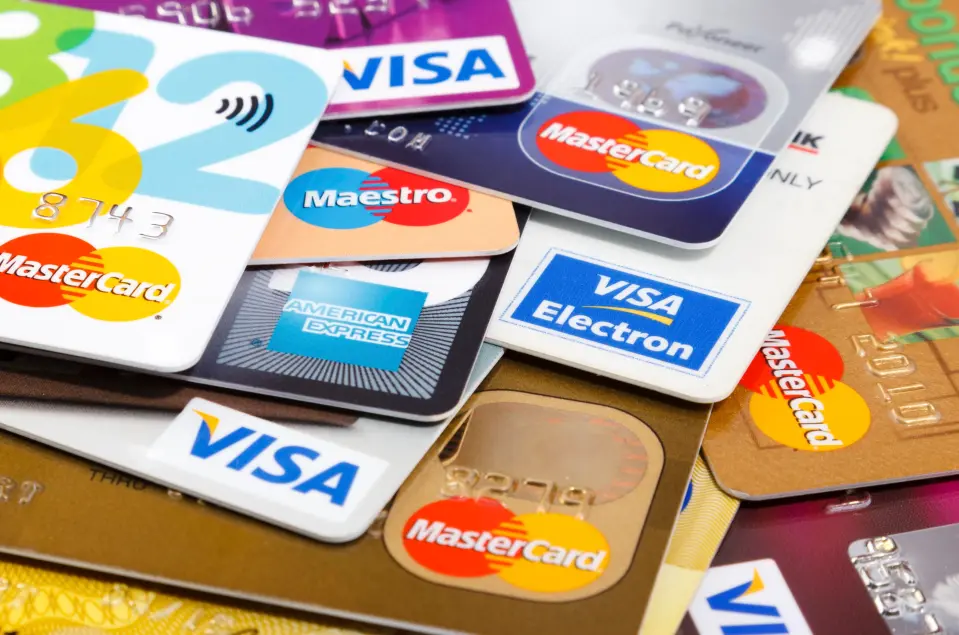
Credit card security refers to the technologies, systems, and practices used to protect consumers, businesses, and financial institutions from fraud, identity theft, unauthorized transactions, and cybercrime. As digital payments and online shopping became increasingly common, financial companies invested heavily in advanced security systems designed to improve transaction safety while maintaining convenience and speed for consumers around the world.
Modern credit card systems now include fraud detection algorithms, encryption technologies, biometric authentication, tokenization systems, and real-time transaction monitoring. Although these technologies significantly improved payment security, cybercriminals continue developing increasingly sophisticated methods to exploit financial systems through phishing attacks, data breaches, social engineering, and digital fraud schemes.
In this comprehensive guide, you’ll learn how credit card security works, the most common financial threats in digital commerce, the technologies used to protect transactions, and why cybersecurity awareness is essential in modern financial systems.
What Is Credit Card Security?
Credit card security involves protecting payment information and financial accounts from unauthorized access.
Core Objectives
- Prevent fraud
- Protect consumer data
- Secure financial transactions
- Reduce identity theft risks
Security systems are central to modern digital finance.
How Credit Card Transactions Work
Digital payment systems process transactions through secure financial networks.
Basic Process
- Consumer initiates payment
- Merchant sends transaction request
- Payment network verifies information
- Issuer approves or declines the transaction
Security systems monitor activity throughout the process.
Fraud Detection Systems
Financial institutions use automated systems to detect suspicious activity.
Common Monitoring Methods
- Transaction pattern analysis
- Geographic activity tracking
- Spending behavior monitoring
AI systems increasingly support fraud prevention.
Encryption Technology
Encryption protects financial information during digital transmission.
Why Encryption Matters
- Sensitive payment data is converted into protected digital code.
Encryption became essential in online financial systems.
EMV Chip Technology
Modern cards often include embedded security chips.
Important Benefits
- Dynamic transaction authentication
- Reduced counterfeit card fraud
Chip-based systems improved payment security significantly.
Contactless Payments and NFC Technology
Tap-to-pay systems became increasingly popular worldwide.
Common Advantages
- Faster transactions
- Reduced physical contact
- Enhanced convenience
Security protections remain important in contactless systems.
Tokenization and Digital Security
Tokenization protects payment information during transactions.
How Tokenization Works
- Real card numbers are replaced with temporary digital identifiers.
This reduces exposure of sensitive financial data.
Mobile Wallet Security
Digital wallets introduced new layers of payment security.
Popular Wallet Platforms
- Apple Pay
- Google Pay
- Samsung Wallet
Biometric authentication became common in mobile payments.
Biometric Authentication
Biometric systems strengthen digital account protection.
Common Biometric Methods
- Fingerprint recognition
- Facial recognition
- Voice authentication
Biometrics improve account verification security.
Online Shopping and E-Commerce Risks
Digital commerce increased exposure to cyber threats.
Common Online Risks
- Fake websites
- Data theft
- Fraudulent merchants
- Phishing scams
Cybersecurity awareness is extremely important.
Phishing Attacks and Social Engineering
Cybercriminals frequently target consumers through deception.
Common Techniques
- Fake emails
- Fraudulent text messages
- Impersonation scams
Consumers should verify financial communications carefully.
Data Breaches and Financial Information Exposure
Large-scale cyberattacks may expose sensitive customer data.
Common Consequences
- Identity theft
- Unauthorized transactions
- Financial fraud
Data protection became a major priority for financial institutions.
Identity Theft and Financial Fraud
Stolen financial information may be used illegally.
Common Warning Signs
- Unrecognized transactions
- Unexpected account changes
- Unauthorized credit applications
Early detection helps reduce financial damage.
Two-Factor Authentication
Many financial platforms use additional verification systems.
Common Authentication Methods
- SMS verification codes
- Authentication apps
- Email confirmations
Multi-step verification improves account protection.
Real-Time Transaction Alerts
Banks increasingly provide instant financial notifications.
Common Alerts
- Large purchases
- International transactions
- Login attempts
Real-time monitoring improves fraud response speed.
Chargebacks and Consumer Protection
Credit card systems often include dispute resolution mechanisms.
Common Consumer Protections
- Fraud reimbursement
- Unauthorized transaction disputes
- Merchant conflict resolution
Consumer protection supports trust in digital payments.
Public Wi-Fi and Financial Risk
Unsecured internet connections may increase cybersecurity exposure.
Important Safety Measures
- Avoid sensitive transactions on unsecured networks
- Use trusted connections whenever possible
Network security is important in digital finance.
Password Security and Account Protection
Strong passwords remain essential in financial cybersecurity.
Recommended Practices
- Use unique passwords
- Enable multi-factor authentication
- Avoid password reuse
Account security depends heavily on user behavior.
Artificial Intelligence in Fraud Prevention

AI systems increasingly support payment security infrastructure.
Common AI Applications
- Behavioral analysis
- Fraud prediction
- Real-time threat detection
Technology improved fraud prevention capabilities significantly.
Major Payment Networks
Global financial companies manage enormous payment infrastructures.
Major Payment Companies
- Visa
- Mastercard
- American Express
Payment networks continuously invest in cybersecurity systems.
Financial Literacy and Consumer Awareness
Financial education improves digital payment safety.
Important Skills
- Fraud awareness
- Secure browsing habits
- Account monitoring
- Responsible digital behavior
Knowledge supports safer financial activity.
Technology and the Future of Payment Security
Financial security technology continues evolving rapidly.
Emerging Trends
- AI-powered fraud detection
- Biometric payment systems
- Advanced encryption infrastructure
Technology continues reshaping financial cybersecurity globally.
Understanding Credit Card Security in the Digital Economy
Modern payment systems provide convenience, speed, and global accessibility, but they also require advanced cybersecurity protection and responsible consumer behavior. Financial institutions continue investing heavily in fraud prevention technologies while cybercriminals constantly adapt to evolving digital systems.
Building Safer Financial Habits in Modern Digital Finance
Long-term financial safety depends on awareness, responsible online behavior, strong account protection, and understanding how digital payment systems operate. By monitoring accounts carefully, protecting sensitive information, and using secure financial practices, consumers can reduce fraud risks while maintaining greater confidence in digital financial systems.