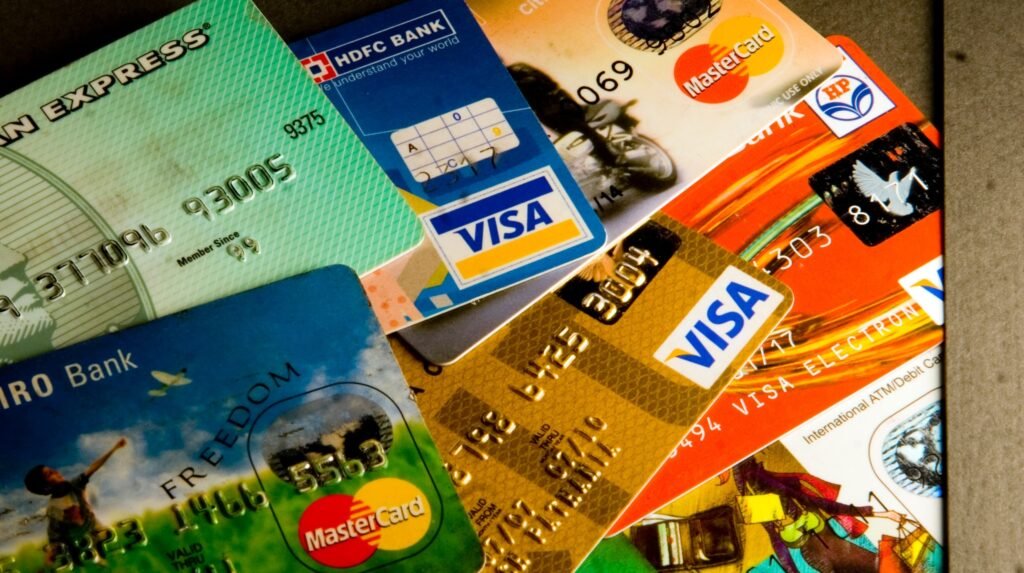
Credit card debt is one of the most common forms of consumer debt in modern financial systems. It occurs when cardholders borrow money through credit card purchases and carry unpaid balances over time instead of paying the full amount by the due date. Because most credit cards involve high interest rates, unpaid balances may grow rapidly and create long-term financial pressure for individuals and households.
Credit cards provide convenience, purchasing flexibility, rewards programs, and emergency financial access, but they can also encourage overspending and impulsive financial behavior. When debt accumulates faster than repayment, consumers may face rising interest charges, lower credit scores, financial stress, and reduced financial stability.
In this comprehensive guide, you’ll learn how credit card debt works, how interest accumulates, the financial risks associated with revolving debt, and why responsible borrowing and repayment habits are essential for maintaining long-term financial health.
What Is Credit Card Debt?
Credit card debt refers to unpaid balances carried from one billing cycle to another.
Common Causes
- Overspending
- Emergency expenses
- High-interest borrowing
- Financial instability
Debt increases when balances are not fully repaid.
How Credit Card Debt Works
Credit cards operate through revolving credit systems.
Basic Process
- Consumer makes purchases using borrowed funds
- Charges accumulate on the account
- Interest may apply to unpaid balances
- Debt grows if repayment is delayed
Long-term balances may become increasingly expensive.
Revolving Credit Systems
Credit cards differ from fixed installment loans.
Key Feature
- Borrowing capacity replenishes as balances are repaid.
This flexibility may encourage repeated borrowing.
Interest Rates and APR
Credit cards often carry high borrowing costs.
Important Concept
- APR stands for Annual Percentage Rate.
Higher APR values increase total repayment costs significantly.
Compound Interest and Debt Growth
Interest may accumulate continuously on unpaid balances.
Important Reality
- Debt may grow rapidly when interest compounds over long periods.
Long-term borrowing becomes increasingly expensive.
Minimum Payments
Cardholders are usually required to make minimum monthly payments.
Important Risk
- Paying only minimum amounts may extend repayment for many years.
Interest charges may exceed the original purchase value over time.
Late Fees and Penalties
Missing payments creates additional financial consequences.
Common Penalties
- Late payment fees
- Increased interest rates
- Credit score reduction
Payment reliability is extremely important.
Credit Scores and Financial Reputation
Credit card debt strongly affects credit profiles.
Common Factors
- Payment history
- Credit utilization
- Account balances
High debt levels may reduce borrowing opportunities.
Credit Utilization and Financial Risk
Credit utilization measures borrowed credit relative to available limits.
Important Principle
- High utilization may negatively affect credit scores and financial flexibility.
Lower utilization generally supports healthier credit profiles.
Emotional Spending and Consumer Psychology
Emotions often influence borrowing behavior.
Common Challenges
- Stress-related purchases
- Impulse spending
- Lifestyle inflation
Financial discipline improves long-term stability.
Emergency Expenses and Debt Accumulation
Unexpected situations frequently contribute to debt growth.
Common Emergencies
- Medical bills
- Vehicle repairs
- Job loss
- Housing expenses
Emergency savings may reduce dependence on borrowing.
Budgeting and Debt Management
Budgeting is essential for controlling debt responsibly.
Why Budgeting Matters
- Tracks expenses
- Helps prioritize repayments
- Reduces unnecessary spending
Financial awareness improves repayment planning.
Debt Consolidation Strategies
Some consumers restructure debt to reduce financial pressure.
Common Methods
- Balance transfers
- Consolidation loans
- Lower-interest refinancing
Debt restructuring requires careful planning.
Balance Transfer Credit Cards
Some issuers offer temporary low-interest promotional periods.
Common Purpose
- Move existing balances to reduce short-term interest costs.
Promotional offers usually have time limitations.
Collection Agencies and Financial Consequences
Severely delinquent debt may enter collections processes.
Potential Consequences
- Legal action
- Credit damage
- Collection calls
- Financial stress
Long-term delinquency may affect future financial opportunities.
Bankruptcy and Extreme Financial Distress
Severe debt problems sometimes lead to bankruptcy proceedings.
Important Reality
- Bankruptcy may provide relief but also carries major financial consequences.
Debt prevention is generally preferable to financial recovery processes.
Financial Literacy and Responsible Borrowing
Financial education improves debt management skills.
Important Areas
- Interest awareness
- Spending control
- Budgeting
- Credit management
Knowledge supports healthier financial decisions.
Major Credit Card Companies
Global financial networks dominate consumer credit systems.
Major Payment Networks
- Visa
- Mastercard
- American Express
Digital payment systems process enormous transaction volumes globally.
Technology and Digital Consumer Finance
Technology transformed borrowing and payment behavior significantly.
Common Innovations
- Mobile banking
- Digital wallets
- Online account management
- Automated payment systems
Digital finance increased financial accessibility worldwide.
Fraud Protection and Account Security
Modern credit systems include advanced security features.
Common Protections
- Fraud alerts
- Transaction monitoring
- Temporary account locks
Cybersecurity became increasingly important in digital finance.
Economic Conditions and Consumer Debt
Broader economic conditions affect borrowing behavior heavily.
Important Factors
- Inflation
- Interest rates
- Employment conditions
- Cost of living
Economic instability may increase debt dependence.
Technology and the Future of Consumer Credit
Financial technology continues evolving rapidly.
Emerging Trends
- AI-powered credit analysis
- Personalized financial monitoring
- Automated repayment systems
Technology continues reshaping consumer finance globally.
Understanding Credit Card Debt and Financial Responsibility
Credit card debt can provide temporary financial flexibility, but excessive borrowing and high-interest balances may create long-term financial stress and instability. Responsible credit management requires careful budgeting, disciplined repayment habits, and awareness of borrowing costs.
Building Stronger Financial Habits Through Responsible Borrowing
Long-term financial health depends on disciplined spending, financial literacy, and responsible debt management rather than excessive reliance on borrowed money. By understanding how credit card debt works, controlling unnecessary expenses, and maintaining consistent repayment strategies, individuals can improve financial stability while reducing long-term financial risk.