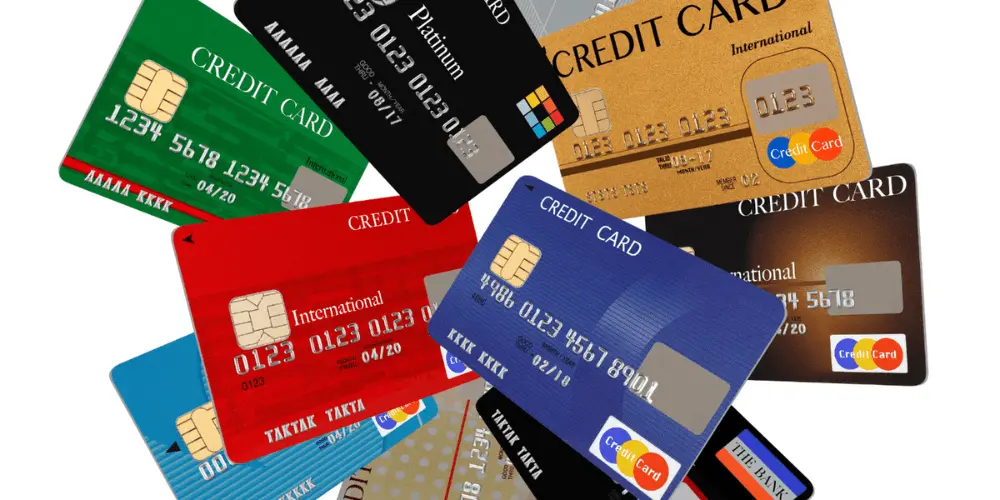
Credit cards are among the most widely used financial tools in the modern economy. They allow consumers to make purchases, pay bills, build credit history, access rewards programs, and manage short-term cash flow without using immediate cash from a bank account. When used responsibly, credit cards can provide convenience, security, and financial flexibility. However, poor credit card management can also lead to high-interest debt and long-term financial stress.
Understanding how credit cards work is essential for building healthy financial habits. Many people use credit cards daily without fully understanding interest rates, credit utilization, rewards systems, or how credit scores are affected by spending behavior.
In this comprehensive guide, you’ll learn how credit cards function, the different types available, their financial advantages and risks, and how responsible usage can support long-term financial health and stability.
What Is a Credit Card?
A credit card is a payment tool that allows consumers to borrow money from a financial institution to make purchases.
Core Purpose
- Enable short-term borrowing
- Provide payment flexibility
- Support electronic transactions
Cardholders are expected to repay borrowed amounts according to the card agreement.
How Credit Cards Work
Credit cards operate through revolving credit systems.
Basic Process
- Consumer makes a purchase using the card
- The issuer pays the merchant
- The cardholder receives a billing statement
- The balance must be repaid fully or partially
Interest may apply if the balance is not fully paid by the due date.
Credit Limits
Every credit card has a maximum borrowing amount called the credit limit.
Factors Affecting Credit Limits
- Income
- Credit history
- Payment behavior
- Financial risk profile
Responsible usage may increase limits over time.
Billing Cycles and Statements
Credit cards operate on recurring billing cycles.
Statements Usually Include
- Purchases
- Interest charges
- Minimum payment requirements
- Due dates
Understanding statements helps avoid financial mistakes.
Minimum Payments
Credit card companies typically require a minimum monthly payment.
Important Reality
- Paying only the minimum can lead to long-term debt accumulation due to interest charges.
Higher payments reduce debt more quickly.
Credit Card Interest Rates
Interest rates on unpaid balances are often very high.
Common Factors Affecting Rates
- Credit score
- Card type
- Economic conditions
Carrying balances for long periods can become extremely expensive.
What Is APR?
APR stands for Annual Percentage Rate.
Purpose
- Represents the yearly cost of borrowing money through the credit card balance.
Higher APRs increase borrowing costs significantly.
Rewards Credit Cards
Many cards offer rewards programs to attract consumers.
Common Rewards
- Cashback
- Travel points
- Airline miles
- Store rewards
Rewards systems vary between issuers.
Cashback Credit Cards
Cashback cards return a percentage of spending to the user.
Common Categories
- Groceries
- Restaurants
- Gas stations
- Online purchases
These cards are popular among everyday consumers.
Travel Credit Cards
Travel cards focus on travel-related benefits.
Common Features
- Airline miles
- Hotel points
- Airport lounge access
- Travel insurance benefits
Frequent travelers often prefer these cards.
Secured Credit Cards
Secured cards are often used to build or rebuild credit history.
How They Work
- Require a refundable security deposit
These cards may help consumers establish responsible financial behavior.
Credit Scores and Credit Cards
Credit card usage strongly influences credit scores.
Important Factors
- Payment history
- Credit utilization
- Account age
- Debt levels
Responsible usage improves long-term creditworthiness.
What Is Credit Utilization?
Credit utilization measures how much available credit is being used.
Example
- Using R$2,000 from a R$10,000 limit equals 20% utilization.
Lower utilization is generally viewed positively by lenders.
Late Payments and Financial Consequences
Missing payments can create significant financial problems.
Possible Consequences
- Interest penalties
- Credit score damage
- Collection activity
Payment consistency is extremely important.
Credit Card Fraud Protection
Credit cards often include fraud and purchase protection systems.
Common Protections
- Fraud monitoring
- Charge dispute systems
- Unauthorized transaction protection
Digital security is a major industry focus.
Contactless Payments and Digital Wallets
Modern payment systems continue evolving rapidly.
Popular Technologies
- Tap-to-pay cards
- Mobile wallets
- Digital payment apps
Technology has improved payment convenience and speed.
Major Credit Card Networks
Most cards operate through large payment processing networks.
Major Global Networks
- Visa
- Mastercard
- American Express
These companies process transactions worldwide.
Credit Card Issuers
Banks and financial institutions issue credit cards to consumers.
Major International Issuers
Credit Cards in Brazil
Brazil has a large and rapidly growing digital payments market.
Major Brazilian Financial Institutions
Digital banking and mobile payments have expanded significantly in Brazil.
Buy Now, Pay Later and Modern Credit Trends
Alternative financing systems have become increasingly popular.
Common Features
- Installment-based purchases
- Short-term financing options
These systems change how consumers manage spending.
Credit Card Debt Risks
Poor financial habits can lead to serious debt problems.
Common Causes
- Overspending
- High-interest balances
- Emotional spending
- Minimum-only payments
Debt management is essential for financial stability.
Smart Credit Card Habits
Responsible usage improves long-term financial health.
Important Practices
- Pay balances in full when possible
- Avoid unnecessary debt
- Monitor spending regularly
- Protect personal financial information
Discipline is more important than rewards.
Emergency Spending and Financial Flexibility
Credit cards can provide temporary financial flexibility during emergencies.
Important Consideration
- Emergency usage should still be managed carefully to avoid long-term debt accumulation.
Credit cards should not replace emergency savings.
Business Credit Cards
Businesses also use credit cards for operational expenses.
Common Benefits
- Expense tracking
- Employee spending controls
- Business rewards programs
Business financial management often includes credit solutions.
Technology and the Future of Credit Cards
Financial technology continues transforming payment systems.
Emerging Trends
- Biometric authentication
- AI-driven fraud detection
- Virtual credit cards
Digital finance continues evolving rapidly.
Credit Cards and Financial Responsibility
Credit cards are powerful financial tools, but they require discipline and planning. Used responsibly, they can improve convenience, strengthen credit history, and provide useful financial flexibility. Used carelessly, however, they can create long-term debt and financial instability.
Building Financial Stability Through Responsible Credit Management
Strong financial habits are more important than credit limits or rewards programs. By understanding how credit cards work, controlling spending carefully, and managing balances responsibly, consumers can improve financial health, maintain stronger credit profiles, and build greater long-term financial security.