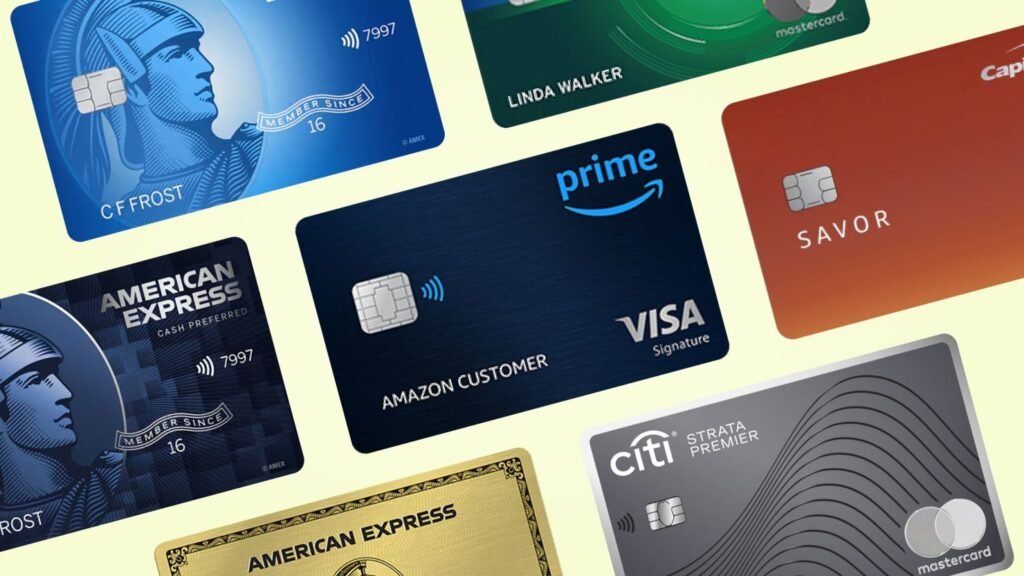
Credit cards can be incredibly powerful financial tools — but only if you use them strategically. Millions of cardholders leave money on the table every year by missing rewards, paying unnecessary interest, or choosing the wrong cards for their spending habits.
The good news is that with the right approach, you can earn meaningful cash back or travel rewards while paying little to no interest.
This advanced guide walks through the best credit card strategies for 2026, helping both beginners and experienced users optimize rewards, protect their credit score, and avoid costly mistakes.
Why Credit Card Strategy Matters
Many people treat credit cards as simple payment tools. Smart users treat them as financial leverage instruments.
A well-optimized credit card setup can help you:
-
Earn hundreds or thousands in rewards annually
-
Build a strong credit score
-
Improve purchase protection
-
Extend cash flow flexibility
-
Unlock travel perks
However, poor habits can quickly erase these benefits through interest and fees.
The Golden Rule: Never Pay Interest
Before discussing advanced strategies, one principle comes first:
👉 Always pay your full statement balance.
Credit card interest rates are typically very high (often 20%+ APR). Carrying a balance almost always wipes out any rewards you earn.
Why This Matters
If your card earns 2% cash back but charges 24% APR, carrying a balance destroys the math.
Smart users treat credit cards like debit cards with benefits.
Strategy #1: Match Cards to Spending Categories
Different cards reward different purchase categories. Optimizing this match is one of the easiest ways to boost rewards.
Common High-Reward Categories
-
Groceries
-
Dining
-
Gas
-
Travel
-
Online shopping
-
Streaming services
Example Setup
A strategic user might have:
-
3–5% card for groceries
-
3% dining card
-
2% flat-rate card for everything else
-
Travel card for flights and hotels
This approach significantly increases effective cash back.
Strategy #2: Build a Simple Multi-Card System
You don’t need 10 cards to optimize rewards. A 3-card setup works well for most people.
The Efficient 3-Card Setup
Card 1: Flat-rate card (2%)
Used for non-bonus purchases.
Card 2: Category bonus card (3–5%)
Used for major spending areas like groceries or dining.
Card 3: Travel or premium card (optional)
Used for flights, hotels, and perks.
This system balances simplicity and optimization.
Strategy #3: Keep Credit Utilization Low
Your credit score is heavily influenced by utilization — how much of your available credit you’re using.
Recommended Targets
-
Good: under 30%
-
Better: under 10%
-
Excellent: under 5%
Pro Tip
You can make mid-cycle payments to keep reported balances low even if you spend heavily.
This is a favorite tactic among advanced users.
Strategy #4: Use Sign-Up Bonuses Strategically
Welcome bonuses are often the most valuable rewards credit cards offer.
Typical Bonus Structure
-
Spend requirement (e.g., $3,000 in 3 months)
-
Bonus reward (e.g., $200–$750 value)
Best Practices
✅ Only pursue bonuses you can hit naturally
✅ Avoid unnecessary spending
✅ Track deadlines carefully
✅ Space out applications
Sign-up bonuses can dramatically boost yearly rewards if used wisely.
Strategy #5: Automate Payments to Avoid Mistakes
One late payment can:
-
Trigger late fees
-
Increase your APR
-
Damage your credit score
Smart Automation Setup
Set autopay for:
-
Full statement balance (ideal)
or -
Minimum payment (backup safety net)
Automation removes human error.
Strategy #6: Take Advantage of Credit Card Protections
Many users ignore valuable built-in protections.
Common Hidden Benefits
-
Purchase protection
-
Extended warranty
-
Travel insurance
-
Rental car coverage
-
Fraud protection
-
Trip delay reimbursement
Before buying expensive items, check your card’s benefits guide.
Strategy #7: Avoid the Rewards Trap
One of the biggest mistakes is overspending to earn rewards.
Remember
-
Spending $1,000 to earn $20 is not saving money.
-
Rewards only make sense on planned purchases.
Discipline separates smart users from debt traps.
Strategy #8: Evaluate Annual Fees Carefully

Premium cards can be worth it — but only in the right situation.
When Annual Fees Make Sense
-
You fully use travel credits
-
You use lounge access frequently
-
Rewards significantly exceed the fee
-
You value premium protections
When to Avoid Them
-
Low spending volume
-
Minimal travel
-
Underutilized perks
Always do the math annually.
Strategy #9: Time Your Credit Applications
Each credit application triggers a hard inquiry.
Best Practices
-
Space applications 3–6 months apart
-
Avoid applying before major loans
-
Monitor your credit profile
-
Focus on long-term strategy
Patience protects your credit score.
Strategy #10: Review Your Cards Once Per Year
Your ideal credit card setup can change as your life evolves.
Annual Review Checklist
-
Are you paying unnecessary annual fees?
-
Are your spending categories still optimal?
-
Are better cards available now?
-
Has your credit score improved enough to upgrade?
-
Are you using all benefits?
Small adjustments can increase yearly value.
Common Credit Card Strategy Mistakes
Even experienced users sometimes slip.
Carrying a balance for rewards
This almost never makes financial sense.
Opening too many cards too fast
Can hurt your credit temporarily.
Ignoring expiration dates on bonuses
Missed deadlines mean lost value.
Overcomplicating your setup
Complex systems often fail in practice.
Forgetting to redeem rewards
Points sitting unused have zero value.
Who Should Keep Their Strategy Simple
Not everyone needs advanced optimization.
A simple setup is often best for:
-
Beginners
-
Busy professionals
-
Low spenders
-
People prone to overspending
In many cases, a single 2% cash back card is perfectly effective.
Turning Credit Cards Into Financial Allies
Credit cards are powerful tools that reward discipline and punish carelessness. The difference between winning and losing with credit cards usually comes down to a few core habits:
-
Pay in full every month
-
Match cards to your spending
-
Keep utilization low
-
Automate your payments
-
Review your strategy annually
When used correctly, credit cards can generate meaningful rewards, strengthen your credit profile, and improve your overall financial flexibility — all without paying a cent in interest.
Master the system, and the banks start paying you instead of the other way around.