
Starting your investing journey in 2026 can feel overwhelming. With so many options, platforms, and strategies available, it’s easy to get stuck in analysis paralysis. However, the truth is simple: you don’t need to know everything to start—you just need the right foundation.
This complete beginner-friendly guide walks you through everything you need to know to begin investing, avoid common mistakes, and build a strong financial future over time.
Why Starting Early Matters More Than Anything
One of the biggest advantages a beginner investor has is time. The earlier you start, the more you benefit from compounding and long-term growth.
The Power of Time
- Small investments grow significantly over years
- Compounding multiplies your returns
- Market fluctuations become less impactful over time
Even if you start with a small amount, consistency can lead to meaningful results.
Step 1: Understand What Investing Really Is
Investing is the process of putting your money into assets that can grow in value or generate income over time.
Investing vs Saving
- Saving: low risk, low return
- Investing: higher risk, higher potential return
Both are important, but investing is what allows your wealth to grow.
Step 2: Set Clear Financial Goals
Before investing, define what you’re working toward.
Common Beginner Goals
- Building an emergency fund
- Saving for a car or home
- Preparing for retirement
- Creating passive income
Your goals will determine your strategy and risk tolerance.
Step 3: Learn the Basic Types of Investments
Understanding your options is essential before putting money into the market.
Stocks
- Ownership in companies
- High growth potential
- More volatile
Bonds
- Loans to governments or companies
- Fixed interest income
- Lower risk
ETFs and Funds
- Collections of multiple assets
- Diversification built-in
- Beginner-friendly
Real Estate
- Property investments
- Income through rent
- Long-term appreciation
Step 4: Start with a Simple Strategy
As a beginner, simplicity is your advantage.
Beginner-Friendly Strategies
- Invest in broad market ETFs
- Use dollar-cost averaging
- Focus on long-term growth
Avoid complex strategies until you gain more experience.
Step 5: Understand Risk Without Fear
Risk is part of investing, but it can be managed.
Key Points About Risk
- Markets go up and down
- Losses are normal in the short term
- Long-term investing reduces risk
The biggest mistake beginners make is reacting emotionally to market changes.
Step 6: Build Your First Portfolio
Your first portfolio doesn’t need to be complicated.
Simple Portfolio Example
- 70% stocks or ETFs
- 20% bonds
- 10% cash or alternatives
This balance provides growth while managing risk.
Step 7: Invest Consistently
Consistency is more important than timing the market.
Why Consistency Wins
- Reduces impact of volatility
- Builds discipline
- Takes advantage of compounding
Even investing a small amount monthly can lead to strong results over time.
Step 8: Avoid Common Beginner Mistakes
Learning what not to do is just as important as learning what to do.
Common Mistakes
- Trying to get rich quickly
- Following trends without research
- Investing money you may need soon
- Panic selling during downturns
Avoiding these mistakes puts you ahead of most beginners.
Step 9: Use Technology to Your Advantage
Modern tools make investing easier than ever.
Helpful Tools
- Investment apps
- Automated portfolios (robo-advisors)
- Portfolio trackers
These tools simplify the process and help you stay organized.
Step 10: Think Long-Term
Investing is a long-term game.
Benefits of Long-Term Thinking
- Reduces stress from market fluctuations
- Increases chances of success
- Maximizes compound growth
Short-term movements matter less when your focus is on the future.
Understanding Inflation as a Beginner
Inflation reduces the value of your money over time.
Why It Matters
If your money isn’t growing, it’s losing value. Investing helps you stay ahead of inflation and protect your purchasing power.
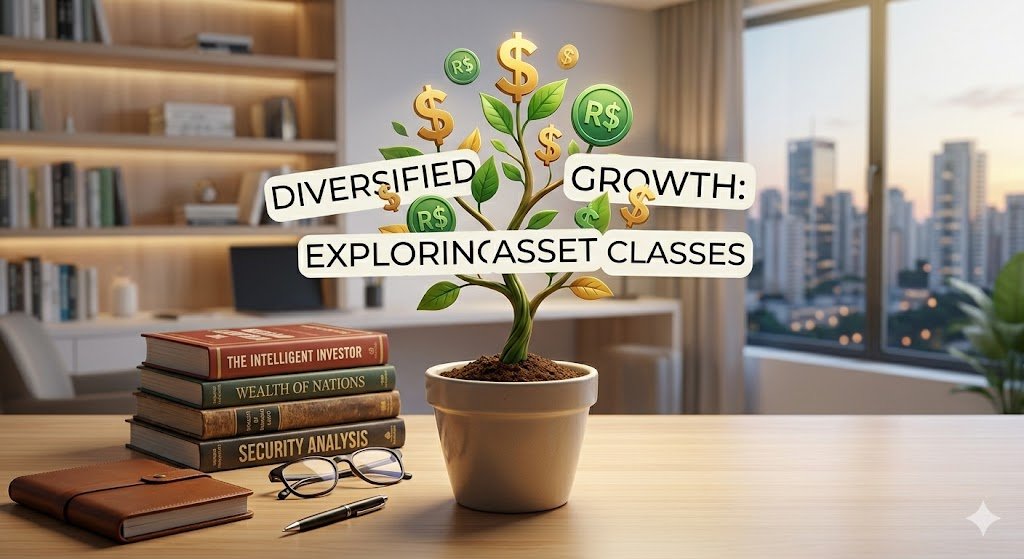
The Importance of Diversification
Diversification helps reduce risk by spreading your investments.
How to Diversify
- Invest in different asset classes
- Avoid putting all money in one stock
- Consider global markets
A diversified portfolio is more stable and resilient.
Emotional Control: The Hidden Skill
One of the most important skills in investing is emotional discipline.
Key Behaviors to Develop
- Stay calm during market drops
- Avoid chasing hype
- Stick to your strategy
Successful investing is often about what you don’t do.
When to Adjust Your Strategy
As you grow as an investor, your strategy may evolve.
Reasons to Adjust
- Changes in financial goals
- Increased income
- Shifts in risk tolerance
Adjustments should be gradual and intentional.
Building Confidence as a New Investor
Confidence comes from experience and consistency.
How to Build It
- Start small
- Learn continuously
- Track your progress
Over time, investing becomes more intuitive and less intimidating.
Your First Steps Toward Financial Growth
Starting your investing journey is one of the most important financial decisions you can make. By focusing on simple strategies, staying consistent, and avoiding common mistakes, you can build a strong foundation for long-term wealth.
You don’t need perfect timing or expert knowledge—just a clear plan and the willingness to begin.