Day trading is a short-term trading strategy in which investors buy and sell financial assets within the same trading day. Instead of focusing on long-term ownership and gradual wealth accumulation, day traders attempt to profit from small price movements that occur throughout the day in stocks, options, currencies, cryptocurrencies, and other financial markets.
With the rise of mobile trading platforms, real-time market data, and online financial communities, day trading became increasingly popular among retail investors around the world. Many people are attracted by the possibility of quick profits and financial independence. However, day trading also involves extremely high risk, emotional pressure, market volatility, and the possibility of significant financial losses.
In this comprehensive guide, you’ll learn how day trading works, the strategies traders use, the risks involved, and why discipline, education, and risk management are essential in highly speculative financial markets.
What Is Day Trading?
Day trading involves opening and closing trades within the same trading day.
Core Purpose
- Profit from short-term market price movement
- Take advantage of intraday volatility
- Avoid overnight market exposure
Positions are usually closed before markets stop trading for the day.
How Day Trading Works
Day traders monitor market activity continuously.
Basic Process
- Trader identifies short-term opportunities
- Positions are opened quickly
- Trades are monitored closely
- Positions are closed for profit or loss within the day
Speed and timing are extremely important.
Markets Commonly Used for Day Trading
Day trading occurs across multiple financial markets.
Common Markets
- Stocks
- Options
- Forex
- Cryptocurrencies
- Futures contracts
Different markets involve different levels of volatility and risk.
Volatility and Price Movement
Volatility is central to day trading activity.
Why Volatility Matters
- Short-term price movement creates potential trading opportunities.
Higher volatility may increase both profits and losses.
Technical Analysis
Day traders often rely heavily on technical analysis.
Common Focus Areas
- Price charts
- Trading volume
- Market trends
- Support and resistance levels
Technical traders study historical price behavior for trading signals.
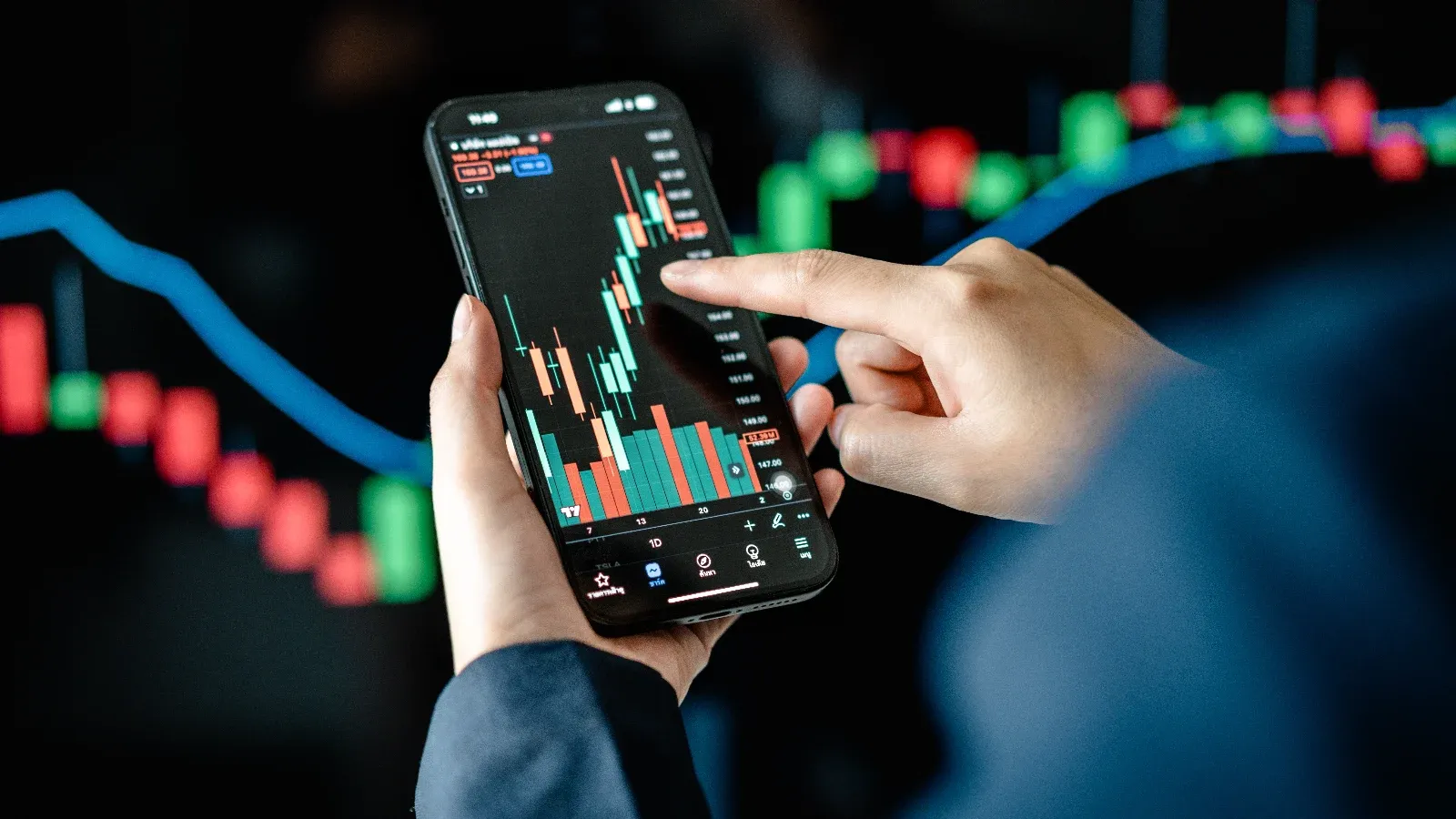
Candlestick Charts
Candlestick charts are widely used in active trading.
Purpose
- Display price movement visually over selected time periods.
Traders use chart patterns to analyze market sentiment and momentum.
Trading Volume
Volume measures how much of an asset is being traded.
Why Volume Matters
- High volume may indicate stronger market activity and liquidity.
Volume often influences trade execution quality.
Momentum Trading
Many day traders focus on momentum-based strategies.
Core Idea
- Buy assets moving strongly upward or sell assets declining rapidly.
Momentum trading depends heavily on timing and volatility.
Scalping
Scalping is an extremely short-term trading strategy.
Common Characteristics
- Numerous trades per day
- Small profit targets
- Rapid execution speed
Scalping requires intense focus and fast decision-making.
Risk Management
Risk management is critical in speculative trading.
Common Practices
- Stop-loss orders
- Position size limits
- Daily loss restrictions
Poor risk management may lead to rapid financial losses.
Stop-Loss Orders
Stop-loss systems automatically close trades at predefined levels.
Purpose
- Limit potential trading losses.
Risk control is one of the most important aspects of trading discipline.
Emotional Pressure and Trading Psychology
Day trading creates intense emotional pressure.
Common Emotional Challenges
- Fear during losses
- Greed during profits
- Revenge trading after mistakes
Emotional discipline strongly affects trading performance.
Leverage and Margin Trading
Some traders use borrowed money to increase position size.
Important Reality
- Leverage magnifies both gains and losses significantly.
Margin trading increases financial risk dramatically.
Brokerage Platforms and Trading Technology
Technology transformed retail trading accessibility.
Common Innovations
- Mobile trading apps
- Real-time charting tools
- Instant order execution
Retail participation expanded rapidly through fintech development.
Major Brokerage Platforms
Many platforms specialize in active trading tools.
Major International Brokerages
Different brokerages offer different trading tools and fee structures.
Algorithmic Trading and Market Competition
Modern markets are heavily influenced by institutional trading systems.
Common Participants
- Hedge funds
- High-frequency trading firms
- Algorithmic trading systems
Retail traders compete in highly sophisticated financial environments.
Market Liquidity
Liquidity affects trade execution and price stability.
Why Liquidity Matters
- Highly liquid assets are easier to buy and sell quickly.
Low liquidity may increase trading risk significantly.
Pattern Day Trading Rules
Some financial markets regulate frequent trading activity.
Common Regulations
- Minimum account balance requirements
- Margin restrictions
- Trading frequency rules
Regulations vary depending on country and brokerage structure.
Social Media and Retail Trading Communities
Online communities strongly influence modern trading culture.
Common Trends
- Viral stock discussions
- Trading influencers
- Real-time market hype
Information spreads extremely quickly through digital platforms.
Day Trading vs Long-Term Investing
These approaches involve very different philosophies.
Day Trading
- Focuses on short-term price movement
- Requires active market monitoring
Long-Term Investing
- Focuses on business growth and compounding over time
Risk profiles differ significantly.
Financial Risk and Statistical Reality
Most inexperienced traders struggle to maintain consistent profitability.
Important Reality
- Short-term speculation is extremely difficult and highly competitive.
Many traders experience financial losses over time.
Education and Trading Discipline
Successful traders spend significant time studying markets.
Important Skills
- Risk management
- Technical analysis
- Emotional control
- Strategic planning
Education alone does not eliminate market risk.
Technology and the Future of Active Trading
Financial technology continues changing speculative markets rapidly.
Emerging Trends
- AI-assisted trading systems
- Automated strategies
- Advanced analytics platforms
Technology continues increasing market accessibility globally.
Balancing Opportunity and Financial Risk
Day trading attracts many people because of its fast pace and profit potential, but it also carries substantial financial and emotional risk. Short-term markets are highly competitive, unpredictable, and heavily influenced by institutional activity and investor psychology.
Financial Discipline and Responsible Market Participation
Successful participation in financial markets depends on education, patience, discipline, and realistic expectations rather than emotional speculation or unrealistic profit expectations. By understanding how day trading works, managing risk carefully, and maintaining responsible financial habits, traders can approach speculative markets more cautiously while protecting long-term financial stability and investment goals.