Credit cards have become one of the most influential financial tools in modern society. What started as a convenience for deferred payments has evolved into a complex system that shapes consumer behavior, banking revenue, and global commerce. Today, credit cards are not just about borrowing money—they are deeply embedded in digital payments, reward ecosystems, and financial identity.
As economies move toward cashless transactions, credit cards continue to expand their role. From online shopping to subscription services and international travel, they offer flexibility, security, and access to short-term credit. However, behind their convenience lies a sophisticated economic structure that many users rarely consider.
Understanding how credit cards function beyond basic usage provides valuable insight into their impact on both personal finance and the broader financial system.
The Core Mechanics of Credit Cards
At a fundamental level, a credit card allows users to borrow money from a financial institution to make purchases. Instead of paying immediately, the cardholder repays the borrowed amount later, either in full or over time.
Each transaction made with a credit card involves multiple parties. The cardholder initiates a purchase, the merchant accepts the payment, the issuing bank provides the credit, and the payment network processes the transaction. This interconnected system operates within seconds, making credit card payments seamless and efficient.
At the end of a billing cycle, the cardholder receives a statement summarizing all transactions. If the balance is paid in full, no interest is charged. However, if only a portion is paid, interest is applied to the remaining balance.
This structure gives users flexibility but also introduces the potential for long-term debt if balances are not managed carefully.
Credit Limits and Financial Behavior
One of the defining features of a credit card is the credit limit, which represents the maximum amount a user can borrow. This limit is determined by factors such as income, credit history, and overall financial profile.
Credit limits influence spending behavior in subtle ways. A higher limit may encourage greater spending, while a lower limit can act as a constraint that promotes financial discipline.
Financial institutions continuously evaluate cardholder behavior to adjust credit limits over time. Responsible usage—such as making payments on time and maintaining low balances—can lead to increased limits, while missed payments may result in restrictions.
Understanding how credit limits work is essential for maintaining financial control and avoiding excessive debt.
Interest Rates and the Cost of Borrowing
Interest rates are one of the most important aspects of credit card usage. When a cardholder carries a balance from one billing cycle to the next, interest is applied to the outstanding amount.
Credit card interest rates are typically higher than those associated with other forms of borrowing, such as personal loans or mortgages. This is because credit cards represent unsecured debt, meaning there is no collateral backing the borrowed funds.
The way interest accumulates can significantly increase the total cost of purchases over time. Even relatively small balances can grow quickly if only minimum payments are made each month.
For this reason, understanding interest rates and repayment strategies is critical for effective credit card management.
Reward Systems and Consumer Incentives
Modern credit cards often include reward programs designed to encourage spending. These programs may offer cashback, travel points, or other incentives based on the amount spent using the card.
Reward systems are carefully structured to influence consumer behavior. For example, some cards offer higher rewards for specific categories such as dining, groceries, or travel. This encourages cardholders to use their credit cards more frequently in those areas.
While rewards can provide value, they are most beneficial when balances are paid in full. Carrying a balance and paying interest can easily outweigh the benefits of any rewards earned.
Understanding how reward systems work helps users maximize benefits without falling into costly spending habits.
Credit Cards and Financial Identity
Credit cards play a significant role in shaping an individual’s financial identity. Payment history, credit utilization, and account age all contribute to a person’s credit profile.
Timely payments and responsible usage can improve credit scores, which in turn affect access to loans, interest rates, and financial opportunities. On the other hand, missed payments or high balances can negatively impact creditworthiness.
Financial institutions use this data to assess risk and determine lending decisions. As a result, credit cards are not just payment tools—they are also instruments that influence long-term financial health.
Managing a credit card responsibly can open doors to better financial opportunities in the future.
Security Features in Credit Card Systems
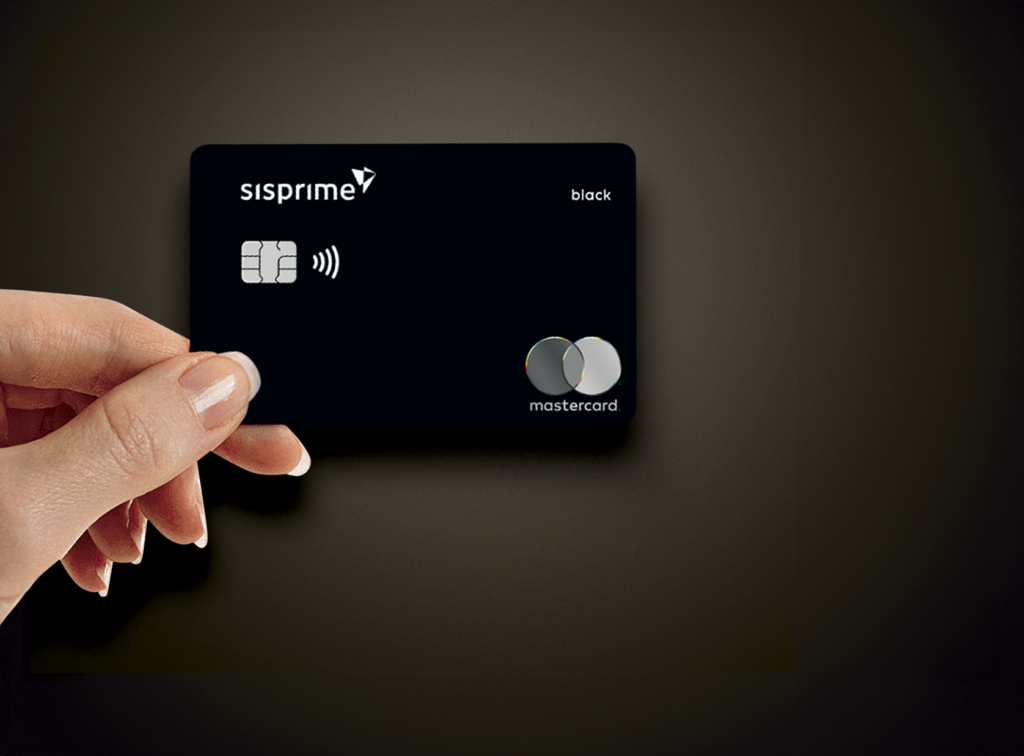
Security is a critical component of credit card usage, especially in an era where digital transactions are increasingly common. Credit card systems include multiple layers of protection designed to prevent fraud and unauthorized access.
Technologies such as chip-based authentication, tokenization, and encryption help secure transactions. Many cards also include real-time fraud monitoring systems that detect unusual activity and alert users immediately.
In cases of unauthorized transactions, most credit card issuers offer protection policies that limit the cardholder’s liability. This makes credit cards one of the safer payment methods compared to alternatives like cash.
As cyber threats evolve, credit card security systems continue to adapt to protect users and maintain trust in digital payments.
The Role of Credit Cards in the Digital Economy
The rise of e-commerce and digital services has significantly increased the importance of credit cards. Online platforms rely on secure and efficient payment methods, and credit cards have become a standard option for transactions.
Subscription-based services, streaming platforms, and digital marketplaces all depend on recurring payments, which are easily managed through credit cards. This has made them an essential tool for participating in the digital economy.
Additionally, credit cards facilitate international transactions by handling currency conversion and enabling cross-border payments. This global functionality supports both consumers and businesses in an increasingly interconnected world.
The integration of credit cards into digital platforms highlights their ongoing relevance in modern financial systems.
Psychological Aspects of Credit Card Usage
Credit cards also influence consumer psychology. Studies have shown that people tend to spend more when using credit cards compared to cash. This is partly because the act of spending feels less immediate when payments are deferred.
The convenience of credit cards can lead to impulse purchases and reduced awareness of total spending. Over time, this behavior can contribute to financial strain if not carefully managed.
Understanding the psychological impact of credit card usage can help individuals develop better spending habits. Setting budgets, tracking expenses, and maintaining awareness of balances are effective strategies for avoiding overspending.
Recognizing these behavioral patterns is an important step toward responsible financial management.
Innovation and the Future of Credit Cards
The credit card industry continues to evolve alongside technological advancements. Contactless payments, mobile wallets, and biometric authentication are changing how consumers interact with their cards.
Digital wallets allow users to store card information on smartphones and make payments with a simple tap. Biometric features such as fingerprint and facial recognition add an extra layer of security and convenience.
Some financial institutions are also exploring the integration of artificial intelligence to provide personalized spending insights and financial recommendations.
As innovation continues, credit cards are likely to become even more integrated into digital ecosystems, offering enhanced functionality and user experiences.
The Long-Term Impact of Credit Cards on Personal Finance
Credit cards have a lasting impact on personal finance. When used responsibly, they provide convenience, build credit history, and offer valuable rewards. However, misuse can lead to high-interest debt and financial instability.
Balancing the benefits and risks of credit cards requires discipline and financial awareness. Paying balances in full, avoiding unnecessary debt, and understanding the terms of each card are essential practices.
Ultimately, credit cards are powerful financial tools that reflect broader trends in consumer behavior and economic systems. Their influence extends beyond individual transactions, shaping how people manage money and interact with financial institutions.
The Evolving Role of Credit Cards in a Cashless Society
As societies continue moving toward digital payments, credit cards remain a cornerstone of modern finance. Their ability to combine convenience, security, and access to credit makes them a key component of everyday financial activity.
From enabling global commerce to influencing personal financial habits, credit cards have become deeply integrated into the economic landscape. Their evolution reflects broader shifts in technology, consumer behavior, and financial innovation.
Looking ahead, credit cards will likely continue adapting to new technologies and changing market demands, maintaining their relevance in an increasingly digital world.