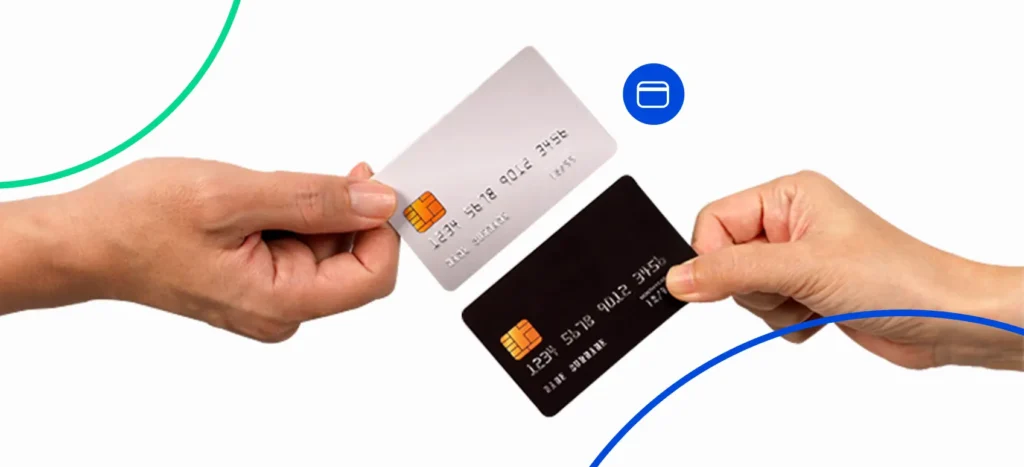
Credit cards are more than just financial tools—they are powerful instruments that shape how people think about money, spending, and financial responsibility. In a world where physical cash is used less frequently, credit cards have become a dominant method of payment, influencing not only economic systems but also individual behavior.
The convenience of tapping a card or entering details online has transformed purchasing into a nearly frictionless experience. While this ease of use offers undeniable benefits, it also introduces psychological dynamics that can significantly affect spending habits. Understanding these dynamics is essential for anyone looking to maintain control over their finances in an increasingly digital environment.
The Shift from Physical Money to Digital Payments
The transition from cash to credit cards represents a fundamental change in how people perceive money. Physical cash creates a tangible sense of loss when spent, as individuals can see and feel the money leaving their possession. Credit cards, on the other hand, remove this physical connection.
When payments are made digitally, the transaction feels less immediate. This phenomenon, often referred to as the “pain of paying,” is reduced when using credit cards. As a result, individuals may be more likely to spend larger amounts or make purchases they might otherwise avoid.
This shift has contributed to the widespread adoption of credit cards, especially in online shopping and subscription-based services, where physical payment is not even an option.
Delayed Consequences and Spending Behavior
One of the defining characteristics of credit cards is the delay between the moment of purchase and the moment of payment. This delay can create a disconnect between spending and financial consequences.
When a person uses a credit card, the immediate impact on their bank account is not visible. Instead, the cost accumulates over time and appears later in a billing statement. This delay can make it easier to justify additional spending, as the financial impact feels distant.
Over time, repeated use of credit without immediate repayment can lead to accumulated balances that become difficult to manage. Understanding this delayed feedback loop is crucial for maintaining healthy financial habits.
Minimum Payments and the Illusion of Affordability
Credit card statements often include a minimum payment option, which allows cardholders to pay only a small portion of their total balance. While this feature provides flexibility, it can also create a false sense of affordability.
Paying only the minimum amount may give the impression that the debt is manageable, even as interest continues to accumulate on the remaining balance. This can lead to long-term debt cycles that are difficult to escape.
The structure of minimum payments is designed to keep accounts active, but it requires discipline from users to avoid relying on it as a long-term strategy.
Reward Systems and Behavioral Influence
Credit card reward programs are carefully designed to influence spending patterns. Cashback offers, travel points, and exclusive perks create incentives that encourage frequent use of the card.
These rewards can create a psychological effect where spending feels beneficial rather than costly. For example, earning points on purchases may give the impression of gaining value, even though money is still being spent.
While rewards can be advantageous when used strategically, they can also lead to unnecessary purchases if not managed carefully. The key is to treat rewards as a bonus rather than a justification for increased spending.
The Role of Credit Cards in Lifestyle Inflation
As individuals gain access to higher credit limits, their spending habits may gradually increase. This phenomenon, known as lifestyle inflation, occurs when people adjust their spending to match their perceived financial capacity.
Credit cards can accelerate this process by making it easy to access additional funds without immediate consequences. Over time, this can lead to higher monthly expenses and reduced savings.
Recognizing the potential for lifestyle inflation is important for maintaining long-term financial stability. Setting personal spending limits and prioritizing savings can help counteract this tendency.
Emotional Spending and Instant Gratification
Credit cards make it easier to engage in emotional spending, where purchases are driven by feelings rather than necessity. Whether it’s stress, excitement, or boredom, the ability to make quick purchases can amplify impulsive behavior.
The concept of instant gratification plays a significant role in credit card usage. The ability to acquire goods or services immediately without paying upfront can reinforce impulsive decisions.
Over time, this pattern can lead to financial strain if spending is not aligned with income and long-term goals. Developing awareness of emotional triggers can help individuals make more deliberate financial choices.
Credit Utilization and Financial Perception
Credit utilization refers to the percentage of available credit that a person is using. This metric not only affects credit scores but also influences how individuals perceive their financial situation.
A low utilization rate may create a sense of financial control, while a high utilization rate can indicate overreliance on credit. However, perceptions can sometimes be misleading, especially if individuals focus only on available credit rather than actual debt levels.
Maintaining a balanced view of credit usage is essential for accurate financial assessment and responsible decision-making.
The Social Influence of Credit Card Usage

Social factors also play a role in how people use credit cards. Exposure to certain lifestyles, whether through social media or peer groups, can influence spending behavior.
Credit cards make it easier to match perceived social expectations by providing immediate access to funds. This can lead to spending that is driven by external pressures rather than personal financial priorities.
Understanding the impact of social influence can help individuals make more independent and intentional financial decisions.
Digital Integration and Seamless Spending
Credit cards are increasingly integrated into digital ecosystems, including mobile wallets, e-commerce platforms, and subscription services. This integration has made spending more seamless than ever before.
With features like one-click purchasing and automatic billing, transactions can occur with minimal effort. While this convenience enhances user experience, it can also reduce awareness of how frequently money is being spent.
Monitoring subscriptions and reviewing transaction histories regularly are important practices for maintaining control in a highly automated financial environment.
Financial Awareness and Responsible Usage
Despite the psychological challenges associated with credit cards, they can be used effectively with the right strategies. Awareness is the first step toward responsible usage.
Tracking expenses, setting budgets, and paying balances in full each month are essential habits for avoiding debt. Many credit card platforms offer tools that categorize spending and provide insights into financial behavior.
By using these tools and maintaining discipline, individuals can benefit from the convenience of credit cards without falling into common financial pitfalls.
The Long-Term Behavioral Impact of Credit Cards
Over time, credit card usage can shape long-term financial behavior. Positive habits, such as consistent repayment and mindful spending, can lead to strong financial stability and improved credit profiles.
Conversely, negative habits can result in ongoing debt and financial stress. The cumulative effect of small decisions—such as choosing to delay payments or make impulsive purchases—can significantly impact financial outcomes.
Understanding this long-term perspective helps individuals approach credit card usage with greater intention and responsibility.
The Psychological Impact of Credit Cards on Modern Consumers
Credit cards are not just tools for payment—they are instruments that influence how people interact with money on a psychological level. Their design, features, and convenience all contribute to shaping consumer behavior.
By recognizing the psychological factors involved in credit card usage, individuals can make more informed financial decisions. This awareness allows users to take advantage of the benefits of credit cards while minimizing potential risks.
As digital payments continue to evolve, the psychological impact of credit cards will remain a critical aspect of personal finance. Developing mindful habits and maintaining financial awareness are key to navigating this landscape successfully.