Loans are often viewed simply as personal financial tools, but they also play a much larger role in the global economy. From small consumer loans to massive corporate financing, borrowing drives economic growth, business expansion, and infrastructure development.
Understanding the broader role of loans helps explain why borrowing is so common — and why financial systems depend on it. In this article, we’ll explore how loans influence economic activity, why banks lend money in the first place, and how borrowing shapes the modern financial world.
Why Lending Exists in the First Place
At the most basic level, lending connects two types of people:
-
Savers, who have excess money
-
Borrowers, who need money now
Banks and financial institutions act as intermediaries between these groups.
How the System Works
The process usually follows this cycle:
-
Savers deposit money in banks
-
Banks lend that money to borrowers
-
Borrowers repay loans with interest
-
The bank earns profit from the difference
This system allows money to circulate throughout the economy rather than sitting idle.
Loans as an Engine of Economic Growth
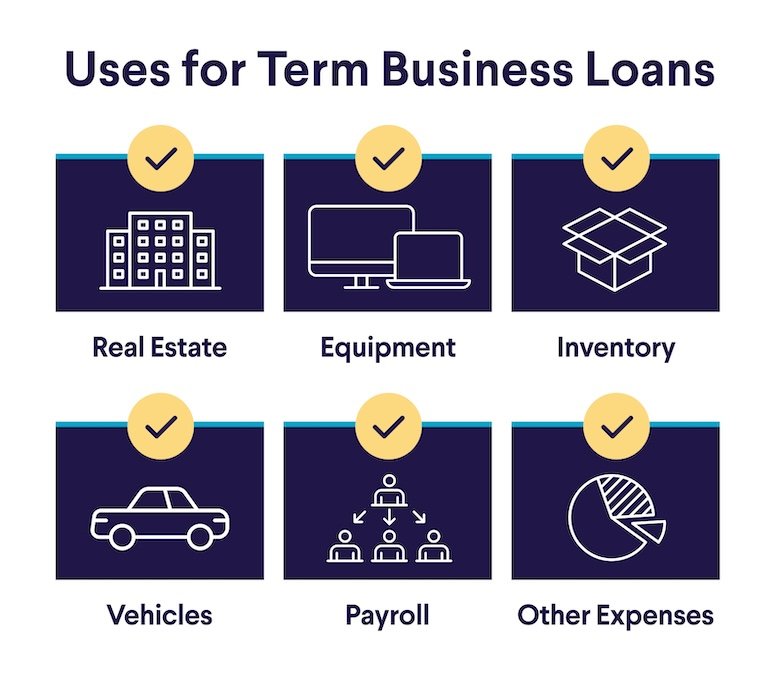
One of the main reasons loans are so important is that they enable investment before someone has saved the full amount needed.
Example: Business Expansion
Imagine a small business that wants to open a second location.
Without access to loans, the business might need to save for years before expanding. With financing, it can grow much faster.
This can lead to:
-
New jobs
-
Increased production
-
Higher income for employees
-
More consumer spending
In this way, loans can accelerate economic activity.
How Consumer Loans Influence Spending
Consumer loans play a major role in modern economies.
Common Consumer Loans
These include:
-
Mortgages
-
Car loans
-
Student loans
-
Personal loans
-
Credit cards
Access to credit allows people to make large purchases they might otherwise delay for many years.
Why Consumer Spending Matters
In many economies, consumer spending accounts for a large share of total economic activity.
When consumers borrow and spend, businesses experience higher demand, which can lead to:
-
Increased production
-
Hiring more workers
-
Business investment
This cycle can stimulate economic growth.
The Role of Mortgages in the Housing Market
Mortgage lending is one of the largest categories of loans in most financial systems.
Why Mortgages Are Unique
Homes are extremely expensive assets relative to income. Few people could buy property without financing.
Mortgages allow buyers to spread the cost of a home over decades rather than paying the full price upfront.
This makes homeownership possible for millions of households.
Interest Rates and Economic Control
Interest rates play a central role in managing economic activity.
How Interest Rates Affect Borrowing
When interest rates are low:
-
Loans become cheaper
-
Businesses invest more
-
Consumers borrow more
-
Economic activity tends to increase
When interest rates are high:
-
Borrowing becomes more expensive
-
Spending slows
-
Inflation may decrease
-
Economic growth may moderate
Because of this, central banks often adjust interest rates to influence economic conditions.
The Risk Side of Lending
While loans can stimulate growth, excessive borrowing can create economic instability.
What Happens When Debt Grows Too Quickly
If individuals, businesses, or governments accumulate too much debt, several risks may appear:
-
Increased default rates
-
Financial stress in banking systems
-
Reduced consumer spending
-
Economic recessions
Managing debt levels is a constant challenge for financial systems.
Credit Scores and Lending Decisions
Not every borrower receives the same loan terms. Lenders evaluate risk before approving credit.
Factors Lenders Often Consider
These may include:
-
Credit history
-
Income stability
-
Debt levels
-
Payment history
-
Employment record
Borrowers who appear less risky usually qualify for lower interest rates.
The Global Scale of Lending
Loans operate at every level of the financial system.
Examples of Large-Scale Lending
Borrowing occurs among:
-
Governments financing infrastructure
-
Corporations funding expansion
-
Banks lending to businesses
-
Investors using leverage
-
Individuals financing education and housing
The global credit market is worth trillions of dollars and touches nearly every economic activity.
Why Responsible Borrowing Still Matters
Although loans support economic growth, borrowing decisions still have significant consequences for individuals.
Responsible borrowing helps maintain:
-
Financial stability
-
Predictable cash flow
-
Lower interest costs
-
Greater flexibility during economic uncertainty
Understanding how loans work within the broader economy can encourage more thoughtful borrowing decisions.
Loans as a Double-Edged Financial Tool
Loans are powerful financial tools that shape both personal finances and the global economy. They allow individuals to access opportunities sooner and enable businesses to expand faster than savings alone would allow.
However, the same mechanism that fuels growth can also create financial strain when borrowing becomes excessive.
The healthiest financial systems — and the healthiest personal finances — rely on a balanced approach to borrowing:
-
Loans used for productive purposes
-
Interest costs carefully considered
-
Debt kept manageable relative to income
-
Long-term repayment plans maintained
When used wisely, loans help move economies forward while supporting individual financial goals.