
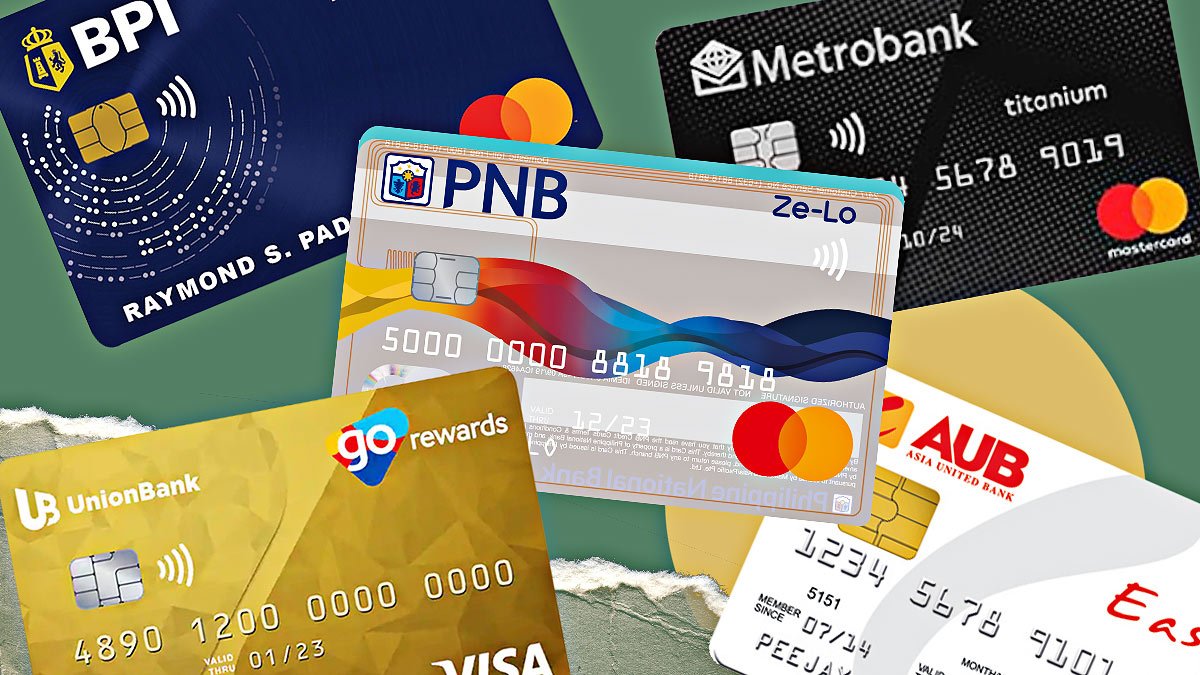
Credit cards are often treated as isolated financial tools, but for advanced users, they can be managed as a structured portfolio. Just as investors diversify assets to optimize returns and manage risk, credit card users can design a portfolio of cards that maximizes benefits, minimizes costs, and maintains strict financial control.
This article presents a comprehensive, professional framework for credit card portfolio management, focusing on structuring multiple cards, optimizing usage, controlling risk, and aligning credit tools with broader financial objectives.
The Concept of a Credit Card Portfolio
A credit card portfolio consists of multiple cards, each serving a specific role.
Objectives:
- Maximize rewards across different spending categories
- Reduce overall costs and fees
- Maintain flexibility and redundancy
- Improve credit utilization metrics
Rather than relying on a single card, a portfolio approach enables more efficient financial management.
Portfolio Design Principles
Effective portfolio construction follows clear principles.
Core Principles:
Specialization
Each card should serve a defined purpose (e.g., groceries, travel, general spending).
Efficiency
Select cards that provide the highest value relative to fees and usage.
Simplicity
Avoid excessive complexity that can lead to errors or missed payments.
Control
Ensure all cards are actively monitored and aligned with a budget.
A disciplined design ensures long-term sustainability.
Core Portfolio Components
A well-structured portfolio typically includes different types of cards.
1. Base Spending Card
- Used for general purchases
- Offers consistent rewards across categories
2. Category-Specific Cards
- Higher rewards in targeted areas (fuel, groceries, travel)
- Used strategically for specific expenses
3. Premium Card
- Provides additional benefits (insurance, travel perks)
- Often includes an annual fee
4. Backup Card
- Used for redundancy in case of system issues or declines
Each component contributes to overall portfolio efficiency.
Allocation Strategy and Spending Optimization
Optimizing a credit card portfolio requires deliberate allocation.
Key Steps:
- Map spending categories
- Assign the most efficient card to each category
- Consolidate transactions to maximize rewards
Example:
- Groceries → highest cashback card
- Travel → points-based premium card
- General expenses → flat-rate rewards card
Strategic allocation increases total value without increasing spending.
Credit Utilization Across Multiple Cards
Managing utilization is more complex in a multi-card setup.
Best Practices:
- Distribute balances across cards
- Avoid high usage on a single account
- Maintain overall low utilization
Benefits:
- Improved credit profile
- Greater financial flexibility
- Reduced risk perception by lenders
Portfolio-level utilization management enhances financial health.
Cost Management and Fee Efficiency
Multiple cards can introduce additional costs.
Key Cost Factors:
- Annual fees
- Foreign transaction fees
- Late payment penalties
Optimization Strategies:
- Retain only cards that provide net positive value
- Regularly review fee-to-benefit ratio
- Eliminate redundant or underutilized cards
Cost efficiency is essential for maintaining portfolio value.
Payment Coordination and Cash Flow Control
Managing multiple cards requires structured payment coordination.
Key Practices:
- Align billing cycles with income
- Use automatic payments for all accounts
- Track due dates centrally
Objectives:
- Avoid missed payments
- Maintain liquidity
- Simplify financial management
Proper coordination reduces operational risk.
Rewards Maximization at Portfolio Level
Portfolio management allows for advanced reward optimization.
Techniques:
- Combine different reward structures
- Maximize category bonuses
- Use premium benefits strategically
Considerations:
- Evaluate redemption value
- Avoid unnecessary spending for rewards
A portfolio approach increases total reward efficiency.
Risk Management in Multi-Card Systems
More cards introduce more risk if not controlled.
Key Risks:
- Overspending due to increased credit access
- Missed payments across multiple accounts
- Fraud exposure across platforms
Mitigation:
- Centralized tracking system
- Spending limits per card
- Regular account reviews
Strong controls are essential for managing complexity.
Behavioral Discipline and Portfolio Control
Behavioral management becomes more important as complexity increases.
Common Challenges:
- Losing track of spending across cards
- Using less optimal cards out of convenience
- Ignoring smaller balances
Solutions:
- Maintain a structured usage plan
- Review spending regularly
- Limit the number of active cards
Discipline ensures the portfolio remains efficient.
Integration with Financial Planning
A credit card portfolio must align with broader financial goals.
Integration Areas:
- Monthly budgeting
- Savings strategies
- Investment planning
Objective:
Ensure that credit usage supports long-term financial stability and growth.
Portfolio Monitoring and Optimization
Ongoing evaluation is critical.
Key Metrics:
- Total rewards earned
- Total fees paid
- Utilization levels
- Payment consistency
Review Process:
- Monthly performance checks
- Annual portfolio restructuring
- Removal of underperforming cards
Continuous optimization improves long-term efficiency.
Scaling the Portfolio Responsibly
As financial capacity grows, portfolios may expand.
Considerations:
- Add cards only when they provide clear value
- Maintain control over increased complexity
- Monitor cumulative credit exposure
Risks:
- Overextension
- Reduced visibility of total spending
Scaling must be deliberate and controlled.
Long-Term Benefits of Portfolio Management
When managed effectively, a credit card portfolio provides:
Advantages:
- Higher overall rewards
- Improved credit profile
- Greater financial flexibility
Potential Downsides:
- Increased complexity
- Higher risk if mismanaged
The outcome depends on discipline and structure.
Credit Card Portfolios as Financial Systems
Credit cards, when managed collectively, form a financial system within personal finance. Treating them as a portfolio—rather than isolated tools—allows for greater control, optimization, and strategic alignment.
A structured approach to portfolio design, allocation, monitoring, and risk management transforms credit cards into efficient instruments that support long-term financial success.