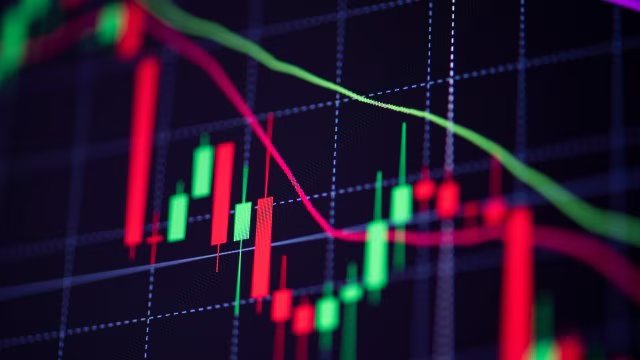
Stock market volatility refers to the speed and intensity of price changes within financial markets over a specific period of time. In volatile market conditions, stock prices may rise or fall rapidly because of economic events, investor sentiment, corporate earnings, geopolitical uncertainty, technological developments, and other financial factors. Volatility is a natural characteristic of financial markets and plays a major role in investment risk, trading behavior, portfolio management, and long-term wealth strategies.
Modern financial markets became increasingly fast-moving because of algorithmic trading systems, digital investing platforms, real-time financial news, and global economic interconnectedness. While volatility may create opportunities for traders and investors seeking market gains, it also increases the risk of financial losses, emotional decision-making, and panic-driven market behavior. Understanding how volatility works became increasingly important for both retail investors and institutional financial organizations.
In this comprehensive guide, you’ll learn how stock market volatility works, the factors that influence market fluctuations, the technologies affecting modern trading activity, and why risk management and emotional discipline remain essential during uncertain market conditions.
What Is Stock Market Volatility?
Volatility measures the degree of price movement in financial markets.
Common Characteristics
- Rapid price fluctuations
- Increased market uncertainty
- Higher investment risk
- Faster trading activity
Volatility is a normal part of financial markets.
How Market Volatility Works
Stock prices constantly change because of supply and demand dynamics.
Basic Process
- Investors react to new information
- Buying and selling activity increases
- Stock prices fluctuate rapidly
- Market sentiment changes continuously
Financial markets respond quickly to economic developments.
Economic Conditions and Market Behavior
Economic trends strongly influence market volatility.
Common Economic Factors
- Inflation rates
- Interest rates
- Employment reports
- Economic growth data
Economic uncertainty often increases volatility.
Corporate Earnings and Financial Performance
Company performance significantly affects stock prices.
Common Influences
- Revenue growth
- Profit expectations
- Business expansion plans
- Leadership changes
Corporate earnings reports strongly influence investor confidence.
Investor Psychology and Emotional Trading
Human emotions heavily affect financial markets.
Common Emotional Reactions
- Panic selling
- Fear-driven investing
- Speculative buying
Emotional behavior may intensify market swings.
Bull Markets and Bear Markets
Markets move through different economic and psychological cycles.
Bull Markets
Periods of rising prices and strong investor confidence.
Bear Markets
Periods of declining prices and economic uncertainty.
Market cycles strongly affect investment behavior.
Institutional Investors and Market Influence
Large financial organizations strongly affect market activity.
Common Institutional Participants
- Banks
- Hedge funds
- Pension funds
- Asset management companies
Institutional trading may amplify market volatility.
Retail Investors and Digital Trading
Technology expanded market access for individual investors worldwide.
Common Digital Features
- Mobile trading platforms
- Real-time financial news
- Instant trade execution
Retail participation increased significantly in modern markets.
Major Stock Exchanges
Global exchanges facilitate massive daily trading activity.
Major Exchanges
- New York Stock Exchange
- NASDAQ
- Shanghai Stock Exchange
Global exchanges operate continuously during trading hours.
Algorithmic Trading and High-Speed Markets
Automated systems transformed financial trading significantly.
Common Characteristics
- Millisecond trade execution
- Automated market analysis
- Large-volume electronic trading
Algorithmic systems increased market speed dramatically.
Artificial Intelligence and Market Analysis
AI increasingly influences financial market activity.
Common AI Applications
- Predictive analytics
- Automated portfolio management
- Trading strategy optimization
Technology continues reshaping financial markets rapidly.
Market News and Information Speed
Financial news spreads instantly in digital markets.
Common Influences
- Economic announcements
- Corporate news releases
- Global political events
Fast information flow increases market responsiveness.
Geopolitical Events and Global Uncertainty
Global events strongly affect investor confidence.
Common Geopolitical Risks
- Wars and conflicts
- Trade disputes
- Political instability
Global uncertainty often increases financial volatility.
Financial Crises and Market Downturns
Markets occasionally experience severe declines.
Common Causes
- Banking instability
- Economic recessions
- Debt crises
Financial crises may create widespread economic disruption.
Cryptocurrency and Alternative Asset Volatility
Digital assets became increasingly connected to global markets.
Common Cryptocurrencies
- Bitcoin
- Ethereum
Cryptocurrencies are often highly volatile investments.
Diversification and Risk Management
Risk management is essential during volatile conditions.
Common Strategies
- Diversification
- Long-term investing
- Asset allocation
Risk management may reduce portfolio instability.
Long-Term Investing and Market Recovery
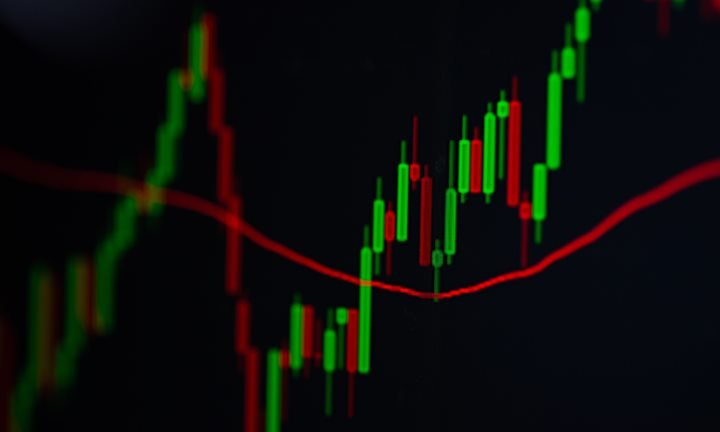
Many investors focus on long-term market trends rather than short-term fluctuations.
Important Principles
- Patience
- Emotional discipline
- Consistent investing strategies
Long-term investing often reduces emotional market reactions.
Financial Regulation and Market Stability
Governments regulate financial markets carefully.
Common Regulatory Goals
- Prevent fraud
- Protect investors
- Support market transparency
Regulation helps maintain financial confidence.
Financial Literacy and Investment Education
Financial education improves decision-making during volatile markets.
Important Skills
- Risk evaluation
- Emotional discipline
- Market analysis
- Portfolio management
Knowledge supports healthier investment behavior.
Technology and the Future of Financial Markets
Financial technology continues evolving rapidly.
Emerging Trends
- AI-powered investing systems
- Advanced trading analytics
- Automated portfolio strategies
Technology continues transforming global investing.
Understanding Stock Market Volatility and Financial Risk
Stock market volatility became an increasingly important aspect of modern finance because global markets now react rapidly to economic information, technological innovation, and investor behavior. While volatility creates opportunities for growth and trading activity, it also increases financial risk and emotional pressure for investors and financial institutions.
Building Stronger Investing Habits During Market Uncertainty
Long-term investing success often depends on patience, diversification, financial education, and disciplined decision-making rather than emotional reactions to short-term market fluctuations. By understanding how volatility works and managing financial risks carefully, investors can participate more confidently in financial markets while improving long-term financial stability and investment knowledge.