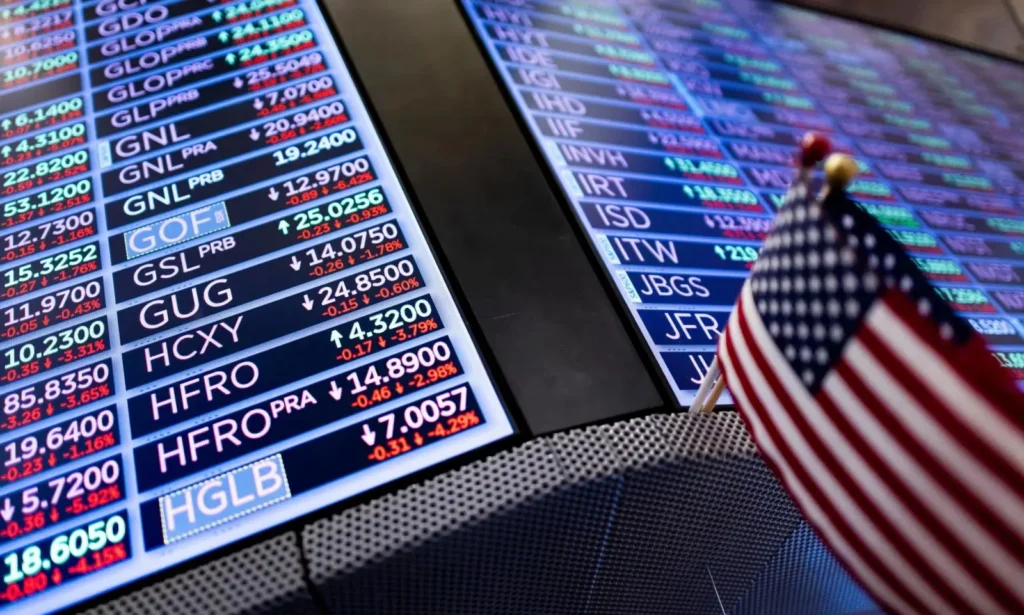
The stock market is often associated with rapid price movements. Investors frequently see stocks rising one day and falling the next, sometimes without an obvious explanation. These fluctuations are known as market volatility.
Volatility is a natural part of financial markets. Prices change constantly as investors react to economic information, company performance, and global events. Understanding why volatility occurs can help investors view market movements with greater perspective.
What Is Stock Market Volatility?
Stock market volatility refers to the rate and magnitude of price changes in financial markets over a certain period of time.
When prices change rapidly or unpredictably, markets are considered highly volatile. When prices move gradually and steadily, volatility is considered low.
Volatility does not necessarily mean the market is performing poorly. It simply indicates that prices are changing frequently.
Why Stock Prices Change
Stock prices move because buyers and sellers constantly interact in the market.
When more investors want to buy a stock than sell it, the price tends to rise. When more investors want to sell than buy, the price tends to fall.
Several factors influence these buying and selling decisions, including:
-
company financial results
-
economic data
-
interest rates
-
geopolitical events
-
investor expectations about the future
These forces collectively drive market price movements.
Economic News and Market Reactions
Economic reports often influence stock market volatility.
Announcements related to economic growth, employment data, inflation, or interest rates can affect investor expectations about the future.
If economic data suggests strong growth, investors may become more optimistic and increase stock purchases. Conversely, negative economic news may lead investors to sell stocks in response to uncertainty.
Because financial markets react quickly to new information, economic news can trigger significant price changes.
Corporate Earnings and Company Performance
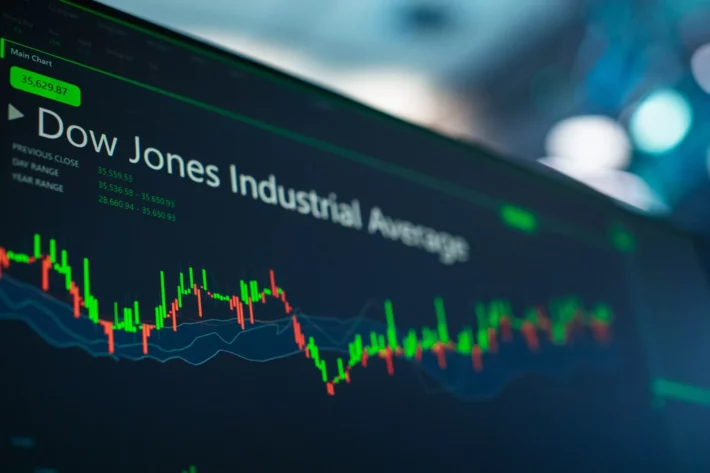
Another major source of volatility comes from corporate earnings reports.
Public companies regularly release financial statements showing revenue, profit, and future projections.
If a company performs better than expected, investors may rush to buy its stock, pushing the price upward.
If performance falls short of expectations, investors may sell shares, causing the price to decline.
These reactions often occur rapidly as investors adjust their expectations.
Global Events and Market Uncertainty
Events occurring outside the financial markets can also influence stock prices.
Political changes, international conflicts, trade policies, and natural disasters may all affect investor confidence.
Because companies operate within broader economic systems, global events can alter expectations about future profits and economic stability.
As a result, stock prices may move quickly in response to new developments.
Investor Sentiment
Beyond economic data and corporate performance, investor sentiment plays an important role in market volatility.
Sentiment refers to the general mood or outlook of investors toward the market.
Optimistic sentiment may encourage investors to take more risks and purchase stocks. Pessimistic sentiment may cause investors to reduce risk and sell assets.
These collective attitudes can amplify price movements.
Short-Term Volatility vs Long-Term Trends
Although volatility can dominate short-term market behavior, long-term trends often reflect broader economic growth.
Over extended periods, markets tend to respond to factors such as:
-
productivity improvements
-
technological innovation
-
population growth
-
expansion of global trade
Understanding this distinction helps investors separate temporary market fluctuations from long-term economic developments.
How Investors View Volatility
Different investors view volatility in different ways.
Some investors prefer stable investments and may seek to avoid highly volatile markets.
Others see volatility as an opportunity to buy assets when prices temporarily decline.
In both cases, understanding the nature of market fluctuations can help investors make more informed decisions.
Why Volatility Is a Natural Part of Markets
Volatility is not necessarily a problem within financial markets. Instead, it reflects the constant process of price discovery as investors evaluate new information and adjust their expectations.
Financial markets operate through millions of decisions made by investors around the world. These decisions continually reshape supply and demand for assets.
As a result, price fluctuations are an unavoidable characteristic of stock markets.