
Insurance in the Modern Economy
Insurance has evolved far beyond being a simple safety net. Today, it is a critical component of financial strategy, enabling individuals and businesses to safeguard assets, protect income, and even leverage opportunities for growth.
Modern insurance is about proactive risk management. It empowers you to take calculated risks in investments, entrepreneurship, and lifestyle decisions, knowing that your financial foundation is protected.
Transforming Insurance from Cost to Investment
Many view insurance as an expense. However, certain policies—particularly life insurance with cash value, disability coverage, and business protection policies—can act as financial tools. These products provide:
- Liquidity through policy loans
- Supplementary investment growth
- Asset protection for estate planning
- Income stability during unexpected events
By integrating insurance with broader financial plans, you maximize value while reducing vulnerability.
Key Areas of Insurance Strategy
Health and Wellness Coverage
Health is a primary determinant of financial stability. Comprehensive health insurance protects against high medical costs and offers access to preventive care and wellness programs.
Modern strategy: Policies now include telemedicine, mental health support, and incentives for healthy lifestyles, reducing long-term expenditures while maintaining productivity.
Example: A freelance consultant uses digital health insurance to prevent downtime caused by illness, preserving income and project commitments.
Life Insurance and Cash Value Planning
Life insurance serves multiple purposes:
- Financial security for dependents
- Debt coverage
- Estate planning
- Cash value accumulation for loans or investments
Strategic tip: Combining term and permanent life policies provides flexibility, balancing affordability with long-term value.
Example: A business owner leverages a whole life policy’s cash value to fund growth initiatives while maintaining coverage for family obligations.
Property, Liability, and Asset Protection
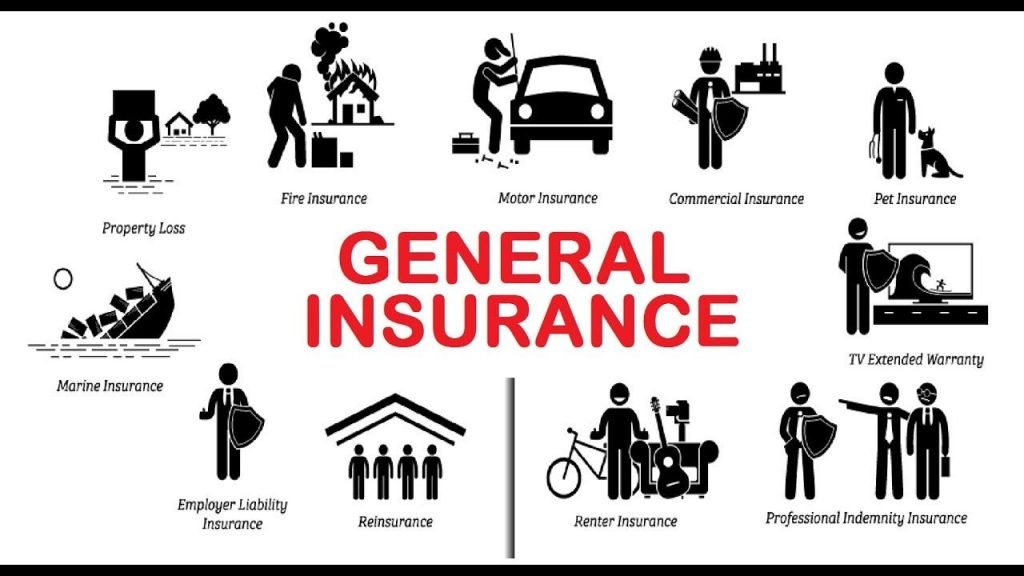
Insurance covers not only physical assets but also financial and legal exposures. Key considerations include:
- Homeowners and renters insurance
- Vehicle and high-value asset protection
- Umbrella and professional liability policies
Example: A high-net-worth investor bundles umbrella and property insurance to safeguard against lawsuits and natural disaster claims.
Disability and Income Protection
Disability insurance replaces income when illness or injury prevents work, supporting long-term financial stability. Long-term care insurance addresses future health needs, including assisted living or chronic care.
Strategic benefit: Ensures financial obligations, lifestyle, and investments remain intact even during prolonged work interruptions.
Cybersecurity and Emerging Risks
As personal and business operations move online, cyber insurance has become essential. It covers:
- Data breaches
- Ransomware attacks
- Identity theft
- Business interruption due to digital threats
Example: Remote workers and small businesses use cyber insurance to prevent financial loss while maintaining client trust and operational continuity.
Life Stage-Based Insurance Planning
- Young Adults: Health coverage, term life insurance, and disability protection
- Families: Comprehensive life insurance, property protection, umbrella policies
- Entrepreneurs: Business interruption, liability, key-person insurance
- Retirees: Long-term care insurance, estate planning through life insurance, and supplemental income strategies
Integrating Insurance into Financial Planning
- Map Risks and Exposures – Include health, property, liability, income, and emerging digital risks.
- Align Policies with Goals – Use insurance for protection and strategic financial purposes, like liquidity and wealth transfer.
- Optimize Coverage – Balance premiums with protection to avoid overpaying or underinsuring.
- Review Policies Regularly – Life changes, career shifts, and asset acquisition require updated strategies.
- Leverage Technology – AI, telehealth, and mobile platforms improve management, monitoring, and efficiency.
Common Misconceptions About Insurance
- “It’s only for emergencies” – Insurance can be a proactive financial tool.
- “Employer coverage is sufficient” – Personal situations may demand additional policies.
- “It’s too expensive” – Strategic planning ensures affordability relative to risk exposure.
- “I don’t need it if I’m healthy” – Illness and accidents can occur unexpectedly at any age.
Real-World Applications
- Freelancers: Digital health and disability coverage maintain income stability.
- Families: Life and property insurance ensure long-term security and lifestyle continuity.
- Entrepreneurs: Liability and key-person coverage protect revenue streams and business assets.
- High-Net-Worth Individuals: Umbrella policies, estate planning, and investment-linked life insurance safeguard wealth and enable growth.
Insurance as a Lifestyle and Growth Tool
Beyond protection, insurance offers:
- Peace of Mind: Reduces stress and uncertainty in financial and personal life
- Strategic Flexibility: Enables calculated risks in investments, career, and business
- Financial Independence: Protects wealth accumulation paths from disruption
- Lifestyle Stability: Prevents unforeseen events from forcing drastic lifestyle changes
Advanced Insurance Strategies
- Riders and Add-Ons: Critical illness, accidental death, and travel coverage
- Investment-Linked Insurance: Combines protection with portfolio growth
- Umbrella Policies: Extends liability protection for high-net-worth individuals
- Emerging Risk Coverage: Climate, cyber, and lifestyle-specific policies ensure future-readiness