
Most people believe investing success comes from finding the perfect stock or timing the market correctly. In reality, the biggest difference between successful investors and struggling ones is mindset.
Markets move up and down. Headlines create noise. Emotions run high. But the investors who consistently build wealth tend to follow a calm, disciplined mental framework that guides their decisions through both good times and bad.
This guide explores how successful investors think, the habits they build, and the mental traps they avoid — so you can develop a mindset that supports long-term financial growth.
Why Mindset Matters More Than Stock Picks
Investment returns are heavily influenced by behavior. Studies repeatedly show that many investors underperform the very funds they invest in — not because the investments were bad, but because their decisions were inconsistent.
The Hidden Performance Gap
Common behavior patterns that hurt returns include:
-
Buying after markets rise
-
Selling during downturns
-
Chasing trends
-
Trading too frequently
-
Abandoning long-term plans
The market is challenging, but emotional decision-making often makes it harder.
Think in Probabilities, Not Certainties
One of the biggest shifts successful investors make is moving away from certainty thinking.
Markets Are About Odds
No investment is guaranteed. Strong investors evaluate:
-
Risk vs. reward
-
Long-term probabilities
-
Downside protection
-
Diversification benefits
Instead of asking, “Will this definitely work?” they ask, “What are the odds over time?”
This probabilistic thinking leads to more balanced decisions.
Embrace Volatility as Normal
Market volatility often scares new investors, but experienced investors see it differently.
Why Volatility Isn’t the Enemy
Short-term market swings are:
-
Normal
-
Expected
-
Historically temporary
-
Often opportunity-creating
Trying to eliminate volatility usually means sacrificing long-term returns.
The Long-Term Perspective
Zooming out over decades rather than days helps put market movements into proper context.
The Power of Consistency Over Brilliance
Many people search for the perfect investment strategy. In practice, consistent execution usually beats occasional brilliance.
What Consistent Investors Do
They typically:
-
Invest regularly
-
Rebalance periodically
-
Stay diversified
-
Keep costs low
-
Avoid emotional trades
None of these actions are flashy — but together they are powerful.
Avoid the Trap of Market Timing
Market timing is appealing but extremely difficult to execute consistently.
Why Timing Fails Most Investors
Successful timing requires being right twice:
-
When to get out
-
When to get back in
Missing just a few strong market days can significantly reduce long-term returns.
The Alternative: Time in the Market
Many long-term investors focus on staying invested rather than perfectly timing entries and exits.
Control What You Actually Can Control
Markets are unpredictable. But several high-impact factors are fully within your control.
High-Control Levers
Smart investors focus on:
-
Savings rate
-
Asset allocation
-
Diversification
-
Investment fees
-
Tax efficiency
-
Behavioral discipline
Focusing on controllable factors improves outcomes more reliably than prediction attempts.
Diversification: The Quiet Risk Manager
Diversification doesn’t maximize short-term gains — it manages long-term risk.
Why Diversification Works
By spreading investments across different assets, you reduce dependence on any single outcome.
Benefits include:
-
Smoother returns
-
Lower portfolio volatility
-
Reduced catastrophic risk
-
Greater long-term resilience
Diversification is often boring, but very effective.
The Emotional Cycle of Investing
Understanding the emotional cycle can help you avoid common mistakes.
Typical Investor Emotions
Many investors move through phases such as:
-
Optimism
-
Excitement
-
Euphoria
-
Anxiety
-
Fear
-
Panic
-
Relief
Poor decisions often happen near emotional extremes.
The Advantage of Awareness
Simply recognizing these patterns can help you pause before making reactive decisions.
Build an Investment Policy Statement (IPS)
One of the most powerful tools serious investors use is a written plan.
What an IPS Includes
A basic investment policy statement outlines:
-
Your goals
-
Time horizon
-
Risk tolerance
-
Asset allocation
-
Rebalancing rules
-
Contribution plan
Why It Works
An IPS helps you make decisions during calm moments rather than emotional ones.
It becomes your personal investing rulebook.
The Role of Patience in Wealth Building
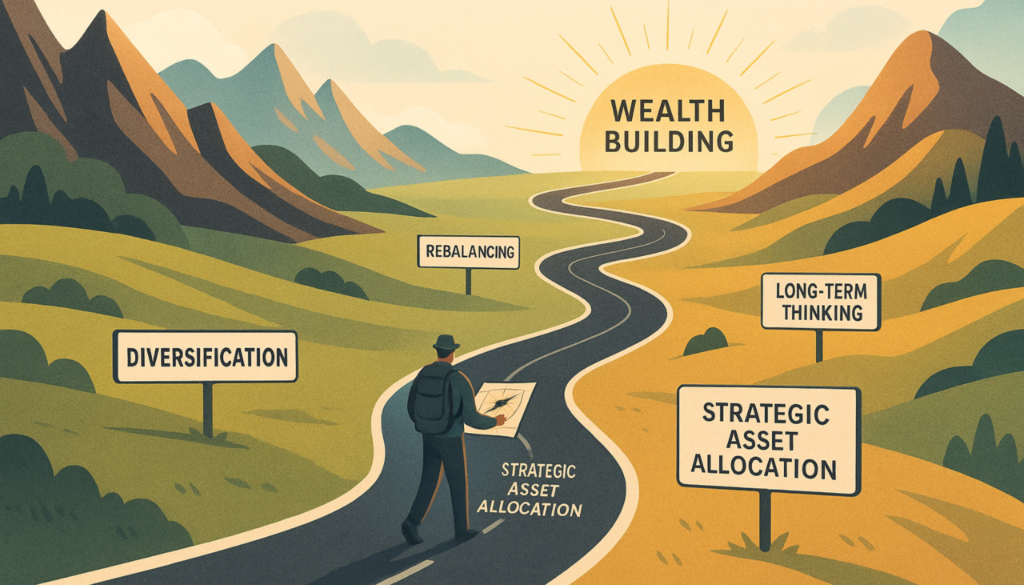
Patience is one of the rarest — and most valuable — investing traits.
Why Time Is So Powerful
Compounding rewards:
-
Early starters
-
Consistent investors
-
Long holding periods
-
Low turnover strategies
Frequent changes often interrupt compounding’s full effect.
Common Mindset Mistakes to Avoid
Even intelligent investors can fall into predictable traps.
Short-Term Obsession
Checking portfolios too frequently can increase stress and trigger unnecessary changes.
Performance Chasing
Last year’s top-performing asset is often not next year’s winner.
Overconfidence
Believing you can consistently outguess markets often leads to excessive trading.
Panic Selling
Selling during downturns locks in losses and disrupts long-term plans.
Practical Habits of Successful Long-Term Investors
If you want a simple checklist, focus on these behaviors:
-
Invest automatically
-
Rebalance periodically
-
Ignore daily market noise
-
Keep fees low
-
Stay diversified
-
Increase contributions over time
-
Review your plan annually
These habits compound quietly but powerfully.
Build the Mindset First
Investment success rarely comes from secret strategies or perfect predictions. It comes from building a calm, disciplined approach that can survive market ups and downs.
The investors who tend to succeed long term:
-
Accept uncertainty
-
Stay consistent
-
Control emotions
-
Focus on the long game
-
Trust the process
If you develop the right mindset first, the technical side of investing becomes much easier to manage.