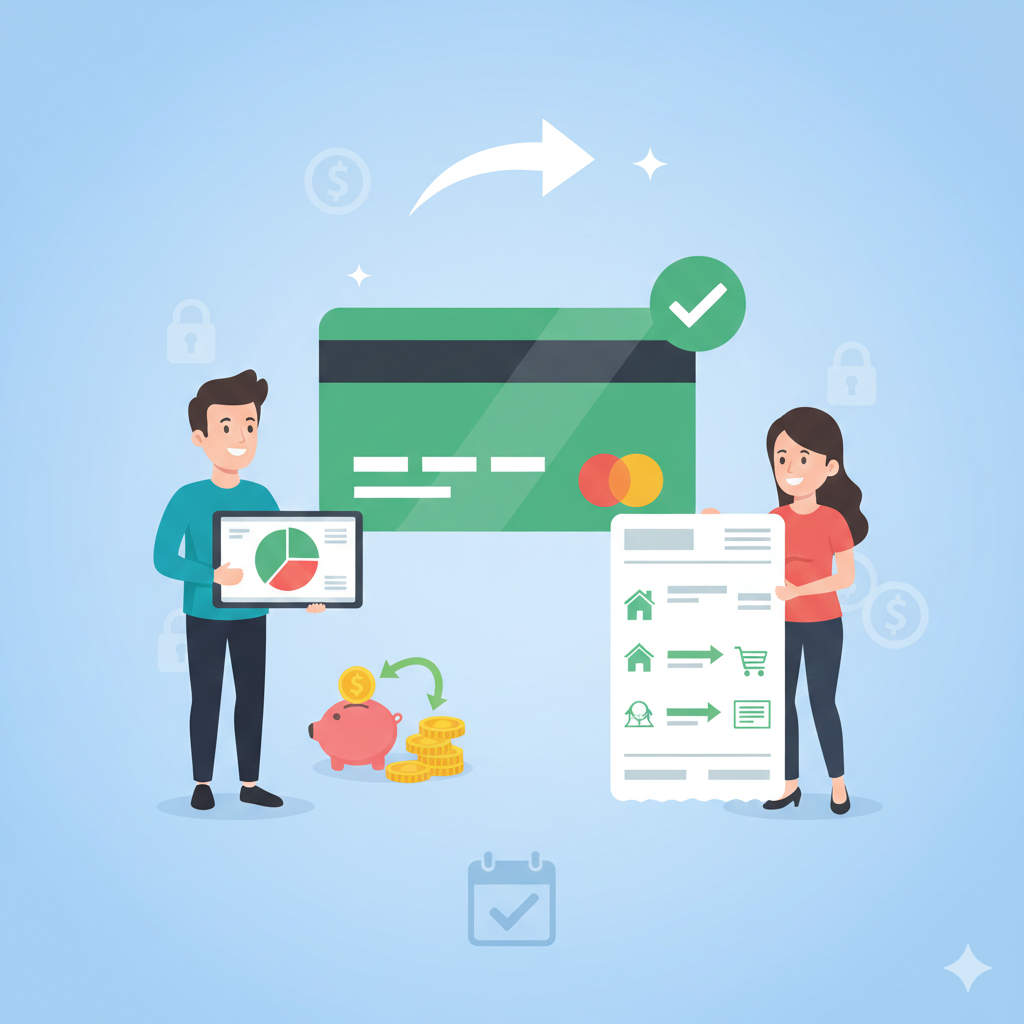
Cashback has evolved from a niche credit card perk into a multi-billion dollar industry. In 2026, it is no longer just a “nice-to-have” feature; it is a fundamental pillar of a savvy personal finance strategy. But for many, a lingering question remains: Is it actually worth the effort? Can you really make a living off it, or are you just chasing pennies?
The short answer is that while cashback won’t replace your 9-to-5 salary, it can easily act as a “tax-free raise” on your existing income. For a typical household, strategic cashback use can result in hundreds, or even thousands, of dollars back in your pocket every year.
This guide is a 3,000-plus word deep dive into the mechanics of cashback, the realistic earning potential for different lifestyles, and the advanced strategies used by “super-earners” to maximize their returns.
Understanding the Mechanics: Where Does Cashback Money Come From?

Before we talk about how much you can earn, we must address the “scam” factor. Many beginners wonder: Why would a company just give me money back?
The Interchange Fee Ecosystem
When you swipe a credit card, the merchant (the store) pays a fee to the bank, typically between 1.5% and 3% of the transaction. This is called the Interchange Fee. Banks share a portion of this fee with you to encourage you to use their card instead of a competitor’s.
Affiliate Marketing and Data
Cashback apps and websites (like Rakuten or Honey) work differently. They act as “referral partners” for retailers. When you click a link on their app and buy a pair of shoes, the retailer pays the app a commission. The app then splits that commission with you. In some cases, they also collect anonymized data on shopping habits, which has its own market value.
Realistic Earning Potential: Breaking Down the Tiers
How much you can earn depends entirely on your spending volume and your level of effort. Let’s look at three realistic profiles for 2026.
1. The Passive Earner (The “Set It and Forget It” Strategy)
This person uses one flat-rate cashback credit card (typically 2%) for everything and has a browser extension installed.
-
Annual Spending: $30,000
-
Average Cashback Rate: 2%
-
Estimated Annual Earnings: $600
2. The Strategic Shopper (The Category Optimizer)
This person uses specific cards for specific categories (e.g., 5% on gas, 3% on groceries) and checks cashback apps before making large purchases.
-
Annual Spending: $45,000
-
Average Cashback Rate: 3.5%
-
Estimated Annual Earnings: $1,575
3. The Power User (The “Stacker”)
This person “stacks” multiple offers (credit card rewards + cashback apps + store loyalty points). They utilize sign-up bonuses and high-percentage seasonal offers.
-
Annual Spending: $60,000
-
Average Cashback Rate: 6% (inclusive of bonuses)
-
Estimated Annual Earnings: $3,600+
Maximizing Credit Card Rewards: The Foundation of Your Strategy
Your credit card is the “base layer” of your cashback engine. To maximize your earnings in 2026, you need to understand the different types of cards available.
Flat-Rate Cards
These are the simplest tools. They pay the same percentage (usually 1.5% to 2%) regardless of where you shop. They are best for people who don’t want to track categories.
Tiered Category Cards
These cards offer higher percentages for specific areas like dining, groceries, or travel. For example, a card might offer 4% on gas but only 1% on everything else.
Rotating Category Cards
These cards offer 5% cashback on categories that change every quarter (e.g., Amazon in Q4, Grocery stores in Q1). While high-earning, they require you to “activate” the offer and track your spending limits.
The Art of “Stacking”: How to Double or Triple Your Earnings

The secret to reaching that $3,000+ per year mark is a technique called Stacking. This involves layer multiple cashback sources on top of a single purchase.
A Real-World Example of Stacking:
Imagine you are buying a $1,000 laptop from a major electronics retailer.
-
Layer 1: Use a cashback app or browser extension (e.g., 5% back). (+$50)
-
Layer 2: Pay with a credit card that earns 2% back on all purchases. (+$20)
-
Layer 3: Use the store’s own loyalty program (e.g., earn $10 in “Store Bucks” for every $100 spent). (+$100)
-
Layer 4: Check for a “Merchant Offer” in your bank app (e.g., “Spend $500 at [Store], get $50 back”). (+$50)
Total Earnings: $220 on a $1,000 purchase. Your effective cashback rate is 22%.
Sign-up Bonuses (SUBs): The Fastest Way to Earn Big
If you want to know how some people earn $5,000 in a year, the answer is usually Sign-up Bonuses.
Banks are desperate for high-quality customers. To get you to open an account, they may offer a bonus like: “Spend $3,000 in the first three months and get $500 back.” This is an effective cashback rate of nearly 17% on that initial spending.
The “Churning” Warning
While lucrative, opening too many cards solely for bonuses (known as “churning”) can impact your credit score. To do this safely, you should have a high credit score (740+) and only apply for one or two new cards per year, ensuring you can meet the spending requirements without overspending your actual budget.
Digital Cashback Apps and Browser Extensions to Use in 2026
You should never shop online without a cashback tool active. These apps have become incredibly sophisticated, often finding and applying coupon codes automatically while also tracking your cashback.
-
Browser Extensions: Tools like Honey, Capital One Shopping, and Rakuten are essentials. They “pop up” at checkout to tell you if a better deal exists.
-
Receipt Scanning Apps: Apps like Fetch and Ibotta allow you to earn money back on grocery items simply by taking a photo of your paper receipt. This works even if you paid with cash!
-
Card-Linked Offers: Services like Dosh or your bank’s built-in “Deals” section allow you to link your card once and receive automatic cashback when you shop at participating local restaurants or retailers.
Cashback vs. Points and Miles: Which Is Better?
This is a classic debate in the finance world. The answer depends on your goals.
-
Cashback is for Certainty: You know exactly what a dollar is worth. You can use it to pay your bills, invest in the stock market, or buy groceries. It is flexible and simple.
-
Points/Miles are for Luxury: If you want to fly First Class or stay at 5-star hotels, points often offer a higher “value per point.” However, they require significant research to “de-code” the best redemptions.
For the average person looking to lower their cost of living, Cashback is the superior choice because of its liquidity and ease of use.
Tax Implications: Is Cashback Considered Taxable Income?
One of the best things about cashback in the United States is that it is generally not taxable.
The IRS views cashback as a rebate or a discount on a purchase rather than “income.” If you spend $100 and get $2 back, the IRS sees it as you only having spent $98. You do not need to report this on your tax return.
The Exception: If you earn a “Refer-a-Friend” bonus (e.g., your friend signs up and you get $50), that is considered income and may be taxable if you earn more than $600 in such bonuses in a year.
Psychological Traps: Don’t Let Cashback Lead You Into Debt
The biggest danger of cashback is that it can encourage “spend-to-save” behavior.
The Merchant’s Goal
Retailers offer 10% cashback because they know it will entice you to buy something you didn’t originally plan to purchase. If you spend $100 on something you don’t need just to get $10 back, you haven’t “earned” $10; you have lost $90.
Interest Rates vs. Cashback
The average credit card interest rate is over 20%. If you carry a balance on your card, the interest you pay will be 10x higher than any cashback you earn. Cashback only works if you pay your balance in full every single month.
Advanced Techniques: Manufacturer Rebates and Hidden Credits
Beyond credit cards and apps, there is a whole world of manufacturer-direct cashback.
-
Rebate Centers: Companies like Samsung, Dell, and appliance manufacturers often have their own rebate centers. You can sometimes get $200-$500 back on large appliances by filing a form online after the purchase.
-
Utility and Government Rebates: In 2026, many local governments offer cashback/rebates for “Green” purchases, such as high-efficiency HVAC systems, electric vehicle chargers, or even smart thermostats.
Building Your Cashback Machine
Is cashback worth it? Absolutely. If you spend $40,000 a year on your living expenses and you aren’t using cashback tools, you are essentially leaving $1,000 to $2,000 on the table every single year.
Start simple. Get a 2% flat-rate card and install one browser extension. As you get more comfortable, start adding category cards and stacking offers. Over time, your cashback will grow from a small trickle into a significant financial asset that can fund your vacations, build your emergency fund, or pay for your holiday shopping.