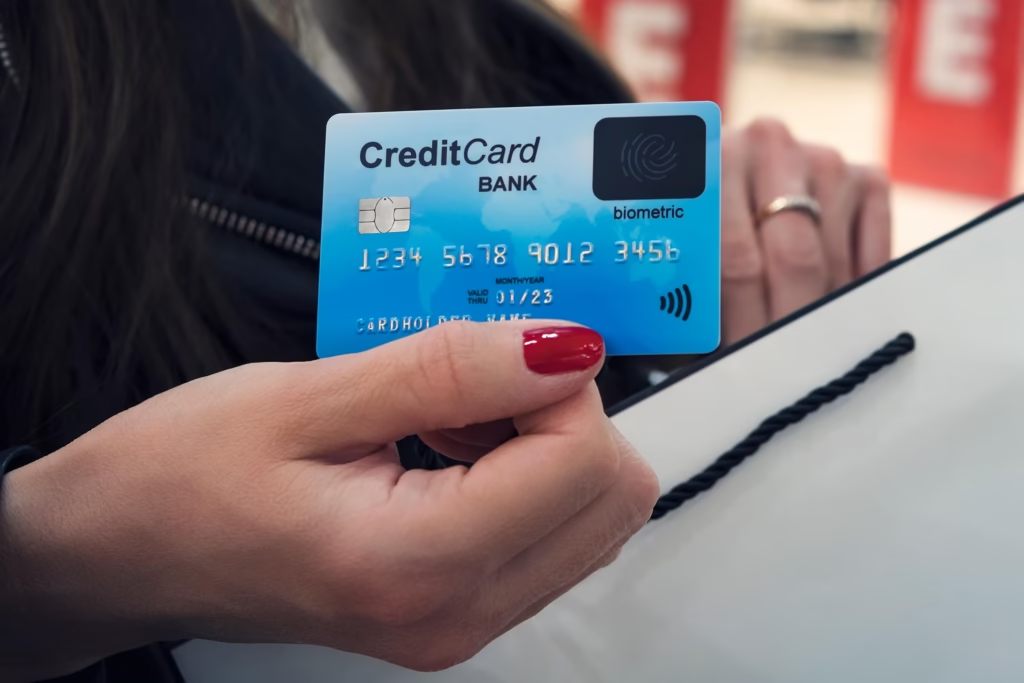
Credit cards have evolved far beyond simple payment tools. In 2026, they function as powerful financial instruments that can help build credit, earn rewards, manage cash flow, and even enhance security. However, using them incorrectly can lead to high-interest debt and financial stress.
This comprehensive guide explores everything you need to know about credit cards — from how they work to advanced strategies for maximizing rewards and protecting your financial health. Whether you’re a beginner or an experienced cardholder, this article will help you make smarter decisions.
What Is a Credit Card and How Does It Work?
A credit card is a revolving line of credit issued by a financial institution. Instead of using your own money (like a debit card), you borrow funds up to a preset limit and repay them later.
Key Components of a Credit Card
Understanding the basics is essential:
-
Credit Limit: The maximum amount you can borrow.
-
Billing Cycle: Typically 28–31 days of tracked purchases.
-
Grace Period: Time to pay your balance without interest.
-
APR (Annual Percentage Rate): The interest charged on unpaid balances.
-
Minimum Payment: The smallest amount required each month.
The Basic Flow
-
You make a purchase.
-
The issuer pays the merchant.
-
You receive a statement.
-
You repay the balance (full or partial).
Paying the full statement balance each month is the golden rule for avoiding interest.
Types of Credit Cards Available Today
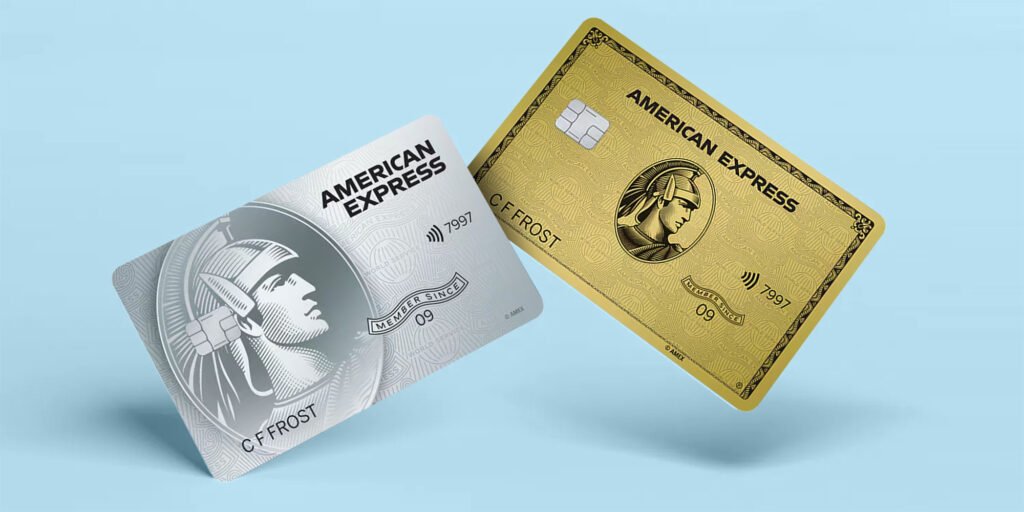
Not all credit cards are created equal. Choosing the right type depends on your financial goals and spending habits.
Rewards Credit Cards
These cards give points, miles, or cash back for purchases.
Best for: People who pay balances in full and want perks.
Common reward structures:
-
Flat-rate cash back (e.g., 2% on everything)
-
Tiered categories (groceries, gas, travel)
-
Rotating bonus categories
-
Travel miles programs
Balance Transfer Cards
Designed to help you move high-interest debt to a lower-interest card.
Best for: Paying down existing credit card debt.
Typical features:
-
Introductory 0% APR period
-
Balance transfer fee (usually 3–5%)
-
Limited promotional window
Secured Credit Cards
Require a refundable security deposit.
Best for: Building or rebuilding credit.
Benefits include:
-
Easier approval
-
Reports to credit bureaus
-
Path to unsecured cards
Student Credit Cards
Tailored for young adults with limited credit history.
Best for: College students starting their credit journey.
How Credit Cards Affect Your Credit Score
Credit cards play a major role in your credit profile. Understanding the factors involved helps you build strong credit over time.
The Five Key Factors
1. Payment History (35%)
Your most important factor. Always pay on time.
Pro tip: Set up autopay for at least the minimum payment.
2. Credit Utilization (30%)
This is the percentage of your credit limit you’re using.
Best practice: Keep utilization below 30% (ideally under 10%).
Example:
-
Limit: $5,000
-
Balance: $500
-
Utilization: 10% (excellent)
3. Length of Credit History (15%)
Older accounts help your score. Avoid closing your oldest card.
4. New Credit Inquiries (10%)
Too many applications in a short time can temporarily lower your score.
5. Credit Mix (10%)
Having different types of credit (cards, loans) can help.
The Real Cost of Credit Card Interest
Credit card interest is one of the most expensive forms of borrowing.
How Interest Compounds
If you carry a balance, interest compounds daily in most cases.
Example:
-
Balance: $2,000
-
APR: 24%
-
Paying only minimum: could take years to repay.
Why Minimum Payments Are Dangerous
Minimum payments keep you in debt longer because:
-
Most goes toward interest
-
Principal reduces slowly
-
Total cost skyrockets
Smart move: Always aim to pay the full statement balance.
Credit Card Fees You Must Watch For
Not all costs come from interest. Fees can quietly drain your finances.
Common Credit Card Fees
-
Annual fees
-
Late payment fees
-
Foreign transaction fees
-
Cash advance fees
-
Balance transfer fees
-
Over-limit fees (less common now)
How to Avoid Most Fees
You can avoid nearly all fees by:
-
Paying on time
-
Avoiding cash advances
-
Choosing no-foreign-fee cards
-
Reading the card terms carefully
How to Choose the Best Credit Card in 2026
With hundreds of options available, picking the right card requires strategy.
Step 1: Identify Your Goal
Ask yourself:
-
Do I want cash back?
-
Am I trying to build credit?
-
Do I carry balances?
-
Do I travel often?
Step 2: Compare Key Features
Look closely at:
-
APR (ongoing and intro)
-
Rewards rate
-
Annual fee vs benefits
-
Welcome bonus requirements
-
Redemption flexibility
Step 3: Match the Card to Your Spending
The best card for you depends on where you spend the most.
High grocery spending → grocery bonus card
Frequent traveler → travel rewards card
General spending → flat-rate cash back card
Advanced Credit Card Strategies (Used by Experts)
Once you master the basics, these strategies can unlock serious value.
The Credit Card Trifecta
Some experienced users combine three cards to maximize rewards:
-
Flat-rate card (for everything)
-
Category bonus card (groceries/gas)
-
Travel card (flights/hotels)
This approach can significantly increase total rewards.
Strategic Credit Limit Increases
Higher limits can lower your utilization ratio.
Tip: Request increases after:
-
6+ months of on-time payments
-
Income growth
-
Score improvement
Timing Large Purchases
Making big purchases right after your statement closes gives you the longest grace period.
Credit Card Security in the Digital Age
Fraud protection has improved dramatically, but risks still exist.
Modern Security Features
Most major cards now include:
-
EMV chip technology
-
Contactless payments
-
Virtual card numbers
-
Real-time fraud alerts
-
Zero liability protection
Smart Security Habits
Protect yourself by:
-
Enabling transaction alerts
-
Avoiding public Wi-Fi for purchases
-
Using virtual cards online
-
Reviewing statements monthly
Common Credit Card Mistakes to Avoid
Even experienced users sometimes slip up. Avoid these costly errors.
Carrying a Balance for Rewards
Rewards rarely outweigh interest. If you pay interest, rewards lose value.
Missing the Due Date
One late payment can:
-
Trigger fees
-
Raise your APR
-
Hurt your credit score
Maxing Out Your Card
High utilization can quickly damage your score.
Closing Old Accounts
This can shorten your credit history and increase utilization.
Are Credit Cards Safe to Use in 2026?
Yes — when used responsibly.
Credit cards are generally safer than debit cards because they offer:
-
Strong fraud protection
-
Dispute rights
-
Purchase protection
-
Travel insurance perks
However, safety depends on user behavior and awareness.
The Future of Credit Cards
The credit card landscape continues to evolve rapidly.
Emerging Trends
In 2026 and beyond, expect:
-
AI-powered spending insights
-
Dynamic credit limits
-
More biometric authentication
-
Expanded buy-now-pay-later integration
-
Greater personalization of rewards
Digital wallets and embedded finance are also reshaping how consumers interact with credit.
Final Thoughts: Use Credit Cards as a Tool, Not a Trap
Credit cards can be incredibly powerful when used with discipline and strategy. They help build credit, provide convenience, and offer valuable rewards — but only if you stay in control.
The winning formula is simple:
-
Spend intentionally
-
Pay in full
-
Monitor regularly
-
Choose cards strategically
Master these habits, and credit cards can become one of the most useful financial tools in your arsenal rather than a source of debt.