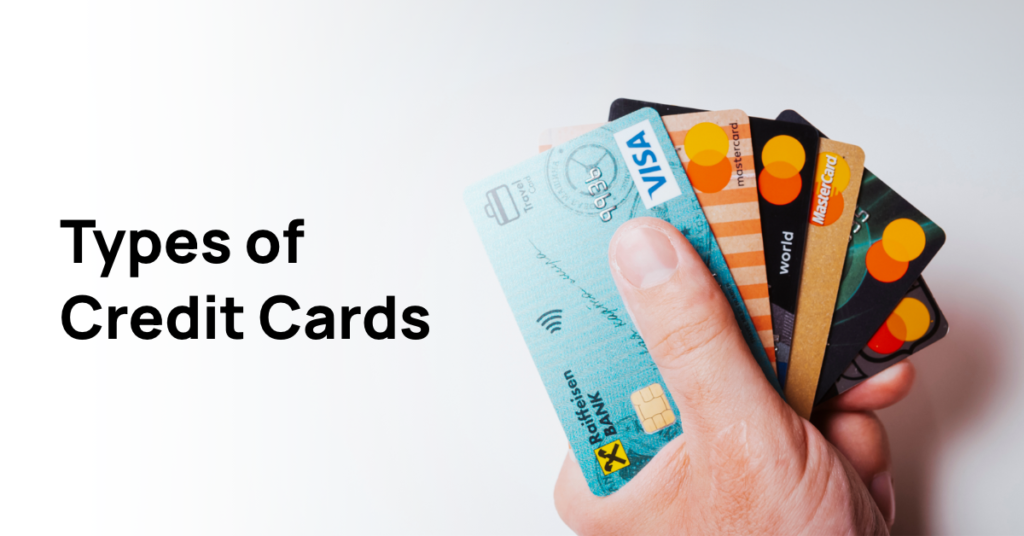
Many people think of credit cards primarily as payment tools. But in reality, every time a credit card is used, a very small loan is created.
Unlike traditional loans that are taken intentionally — such as mortgages or car loans — credit card borrowing happens automatically and repeatedly with everyday purchases. From buying groceries to paying for travel, credit cards quietly function as a continuous short-term lending system.
Understanding this lending structure helps explain how credit cards work and why they can be both convenient and risky.
Every Credit Card Transaction Is Borrowed Money
When you pay with a credit card, the money used in the transaction does not come directly from your bank account.
Instead, the card issuer temporarily pays the merchant on your behalf.
You then repay the issuer later when your credit card statement arrives.
This means every purchase made with a credit card is technically a short-term loan.
The Credit Cycle
Credit cards operate on repeating billing cycles.
A typical cycle works like this:
-
Purchases are made throughout the month.
-
Transactions accumulate in the account balance.
-
A monthly statement summarizes the activity.
-
The cardholder repays some or all of the balance.
If the full balance is paid within the billing period, the borrower often avoids interest charges.
If not, the remaining balance becomes longer-term debt.
The Grace Period
One of the unique features of credit cards is the grace period.
The grace period is the time between making a purchase and the payment due date.
During this period, many credit cards allow the borrower to repay the balance without interest.
For example:
-
A purchase made today might not require payment for several weeks.
-
If the balance is paid in full during that time, the borrowing cost may be zero.
This system allows credit cards to function as temporary financing tools.
Why Credit Cards Are Different From Traditional Loans
Traditional loans typically involve:
-
A fixed borrowing amount
-
A defined repayment schedule
-
A specific end date
Credit cards work differently.
They provide revolving credit, meaning:
-
The borrowing limit remains available
-
The balance changes constantly
-
Payments restore available credit
This flexibility allows cardholders to borrow repeatedly within the same account.
Minimum Payments and Long-Term Debt
Credit card statements usually include a minimum payment requirement.
This is the smallest amount needed to keep the account in good standing.
While minimum payments help maintain flexibility, they can also extend repayment over long periods.
If only the minimum payment is made regularly, interest charges may accumulate significantly.
Credit Limits and Borrowing Capacity
Each credit card account has a maximum borrowing amount known as a credit limit.
This limit represents the maximum balance that can be carried at any time.
Credit limits are often determined based on factors such as:
-
income level
-
credit history
-
repayment behavior
-
existing debt levels
Responsible use of credit limits can help maintain financial stability.
The Convenience Factor
One reason credit cards are widely used is their convenience.
They allow people to make purchases without needing immediate cash or funds in a bank account.
This flexibility can be helpful for managing temporary cash flow gaps or handling unexpected expenses.
However, the convenience of borrowing can also make it easier to accumulate debt unintentionally.
Credit Cards in the Broader Financial System
Credit cards are an important part of the global financial system.
They support economic activity by allowing consumers to:
-
make purchases quickly
-
spread payments over time
-
participate in digital commerce
-
access short-term credit when needed
Because millions of transactions occur daily, credit cards play a significant role in modern consumer finance.
Responsible Use of Revolving Credit
Credit cards are most beneficial when used with clear financial discipline.
Helpful practices may include:
-
paying balances regularly
-
monitoring spending activity
-
staying within manageable limits
-
avoiding unnecessary borrowing
These habits help ensure that short-term credit remains a helpful financial tool rather than a long-term burden.
Everyday Lending in Disguise
Although credit cards appear to be simple payment devices, they are actually a sophisticated lending system embedded into everyday transactions.
Each swipe or tap activates a short-term loan that may last only a few weeks or extend much longer depending on repayment behavior.
By recognizing credit cards as revolving credit rather than just payment tools, consumers can better understand the financial mechanics behind their purchases and make more informed decisions about how they use credit.