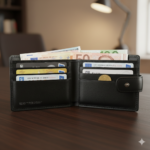
To the naked eye, a credit card and a debit card look identical. They are both rectangular pieces of plastic (or metal) with a chip, a 16-digit number, and a magnetic stripe. You swipe, dip, or tap them at a terminal to pay for your morning coffee or a new pair of shoes.
However, despite their physical similarities, these two cards operate on completely different financial engines. Choosing the wrong one for a specific transaction—or for your overall lifestyle—can have a massive impact on your bank balance, your credit score, and your legal protection against fraud.
In this comprehensive guide, we will peel back the layers of the credit card vs. debit card debate. We will explore the mechanics of how they work, the hidden costs of each, and provide a strategic roadmap so you know exactly which card to pull out of your wallet every time you reach the checkout counter.
The Fundamental Difference: Whose Money Are You Spending?

The most critical distinction between these two cards lies in the source of the funds. Understanding this is the first step toward financial literacy.
What is a Debit Card?
When you use a debit card, you are spending your own money. The card is linked directly to your checking account. When you complete a transaction, the bank places a hold on those funds and eventually transfers them to the merchant. If you have $500 in your account and you spend $100, you now have $400. It is a digital version of carrying cash.
What is a Credit Card?
When you use a credit card, you are spending the bank’s money. Each time you swipe, the card issuer (like Chase, Amex, or Citi) pays the merchant on your behalf. They are essentially giving you a micro-loan that lasts until your billing cycle ends. At the end of the month, you receive a bill. If you pay it in full, you usually pay no interest. If you don’t, the “loan” begins to accrue interest at a predetermined rate (the APR).
Why Credit Cards Are the Ultimate Tool for Financial Growth
For those who have the discipline to pay their bills on time, credit cards offer a suite of benefits that debit cards simply cannot match. This is why many financial experts rarely use their debit cards for anything other than ATM withdrawals.
1. Building and Strengthening Your Credit Score
Your FICO score is one of the most important numbers in your adult life. A high score grants you access to the best mortgage rates, lower insurance premiums, and even better cell phone plans.
Debit cards have zero impact on your credit score. Because you aren’t borrowing money, there is no “repayment behavior” for the bank to report to the credit bureaus (Experian, TransUnion, and Equifax). Credit cards, however, report your activity every month. Consistent, on-time payments are the fastest way to build a “thick” credit file.
2. Superior Fraud Protection and Legal Liability
This is perhaps the most significant “hidden” benefit. Under the Fair Credit Billing Act (FCBA) in the United States, credit card users have massive protections. If your credit card is stolen and used fraudulently, your legal liability is capped at $50—and most major issuers offer Zero Liability policies, meaning you pay nothing.
More importantly, because it’s the bank’s money that was stolen, your actual cash stays safe in your checking account while the bank investigates. You can still pay your rent and buy groceries.
3. Rewards, Cashback, and “Free” Travel
Credit cards are a way to get a discount on your entire life. Most rewards cards offer:
-
Cashback: Getting 1.5% to 5% back on purchases.
-
Travel Points: Earning miles that can be redeemed for flights and hotels.
-
Purchase Protection: Many credit cards will refund you if an item you bought is damaged or stolen within 90 days of purchase.
-
Extended Warranties: Doubling the manufacturer’s warranty on electronics and appliances.
The Hidden Strengths of Debit Cards: Why Cash is King for Some
Despite the flashy rewards of credit cards, debit cards serve a vital purpose, particularly for those who prioritize simplicity and debt avoidance.
1. Hard Boundaries on Spending
One of the biggest risks of a credit card is “overspending.” Because you aren’t seeing your bank balance drop in real-time, it is easy to spend money you don’t actually have. A debit card provides an immediate feedback loop. If the money isn’t in your account, the transaction is declined (or you hit an overdraft). This is an excellent tool for those following a strict envelope budgeting system or those who are in the early stages of financial recovery.
2. No Interest Rates or Debt Spirals
With a debit card, you can never fall into a 25% APR debt trap. You cannot spend $5,000 and spend the next ten years paying it back. For individuals who know they struggle with impulsive spending, a debit card is a safety net that protects their future self from financial ruin.
3. Easier Access to Cash
If you need physical cash, a debit card is the correct tool. You can use it at an ATM to withdraw money from your checking account with little to no fees (if using your bank’s network). Using a credit card at an ATM is considered a “Cash Advance,” which usually triggers an immediate fee and a much higher interest rate that starts accruing the second the cash hits your hand.
Fraud Protection Deep Dive: Why Debit Cards Are Riskier

While both cards have security features, the “mechanical” difference in how fraud is handled is vast. Debit card protection falls under the Electronic Fund Transfer Act (EFTA).
The level of your protection depends on how quickly you report the loss:
-
Reported before any charges: $0 liability.
-
Reported within 2 business days: Up to $50 liability.
-
Reported between 2 and 60 days: Up to $500 liability.
-
After 60 days: You could be liable for the entire amount stolen.
The biggest issue with debit card fraud isn’t just the liability; it’s the liquidity. When a thief uses your debit card, your actual rent and grocery money are gone. Even if the bank eventually gives it back, you could be left with a $0 balance for days or weeks while the investigation unfolds.
The “Hold” Trap: Using Cards at Hotels and Gas Stations
Have you ever noticed your bank account balance looks lower than it should after staying at a hotel or renting a car? This is because of Merchant Holds.
When you check into a hotel, they don’t know if you’ll raid the minibar or cause damage. To protect themselves, they place a “hold” on a certain amount of money (e.g., $200).
-
On a Debit Card: This $200 is effectively removed from your available balance. You cannot spend it. It may take 3 to 7 days after you check out for that money to reappear in your account.
-
On a Credit Card: The hold just reduces your “available credit” by $200. It doesn’t touch your actual cash.
Pro-Tip: Always use a credit card for travel and gas station “pay-at-the-pump” transactions to avoid having your cash tied up in temporary holds.
Comparing the Costs: Fees, Interest, and Overdrafts
| Feature | Credit Card | Debit Card |
| Annual Fees | $0 to $695+ (for luxury cards) | Usually $0 (linked to checking) |
| Interest Rates | 15% – 30% APR (if balance is carried) | None |
| Overdraft Fees | None (Transaction is usually declined) | $25 – $35 per occurrence |
| Late Fees | $30 – $41 | None |
| Foreign Transaction Fees | 0% – 3% (Many offer 0%) | Usually 1% – 3% |
As the table shows, the “cost” of a credit card is optional—you only pay interest if you fail to pay the full balance. The “cost” of a debit card is often hidden in overdraft fees, which can be incredibly expensive if you make multiple small purchases while your balance is negative.
The Psychological Aspect: The “Pain of Paying”
Behavioral economics suggests that we spend more when the “pain of paying” is lower.
-
Cash has the highest pain (you see the physical bills leave).
-
Debit has medium pain (you see the balance drop immediately in your app).
-
Credit has the lowest pain (it feels like a “future you” problem).
If you find that you are consistently spending more than you earn, the “rewards” of a credit card are likely being canceled out by your increased consumption. In this case, switching back to a debit card (or even cash) can help recalibrate your brain’s relationship with spending.
Strategic Spending: When to Use Which Card?
To maximize your financial health, you should be strategic about which plastic you pull from your wallet.
Use a Credit Card for:
-
Large Purchases: For the extended warranty and purchase protection.
-
Travel (Hotels, Flights, Rental Cars): For rewards and to avoid merchant holds on your cash.
-
Online Shopping: For superior fraud protection in the event of a data breach.
-
Recurring Bills: To earn rewards on things you have to pay anyway (Internet, Utilities, Insurance).
Use a Debit Card for:
-
Small Local Purchases: If you are trying to stick to a strict daily budget.
-
ATM Withdrawals: To get cash without paying high interest.
-
Merchant Discounts: Some small businesses (like local gas stations) offer a lower price if you pay with debit or cash to avoid credit card processing fees.
The Final Verdict
So, which one is the winner?
If you are financially disciplined and pay your statement in full every single month, the credit card is the undisputed champion. It builds your credit, protects your cash from thieves, and pays you back in rewards for every dollar you spend.
However, if you have a history of debt or find that “available credit” feels like “free money,” the debit card is your most important ally. It keeps your spending grounded in reality and ensures you never owe a penny to a bank.
The best financial strategy often involves having both. Use your credit card for the protections and rewards on planned expenses, and keep your debit card as a backup for ATM access and as a grounding tool for your personal budget.