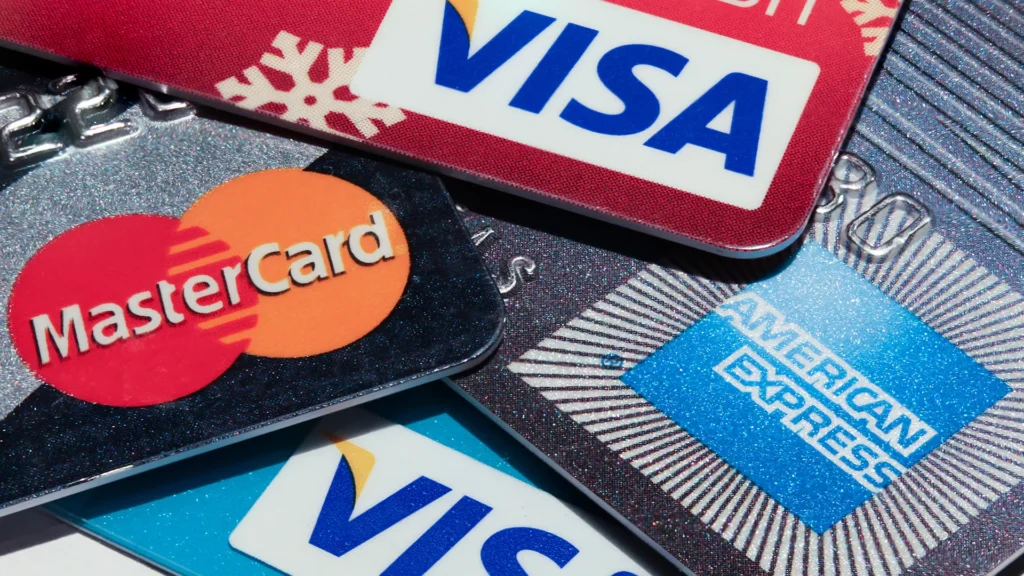
Credit cards are among the most widely used financial instruments in modern economies. They provide convenient access to short-term credit, enable efficient payment processing, and offer a range of benefits such as rewards, fraud protection, and financial flexibility. However, when misused, they can also lead to high-cost debt and long-term financial strain.
This article presents a detailed, professional analysis of credit cards, covering their structure, mechanics, strategic use, cost implications, and role within a broader financial framework.
The Fundamental Structure of Credit Cards
A credit card is a revolving line of credit provided by a financial institution, allowing users to borrow funds up to a predefined limit.
Core Elements:
- Credit Limit: Maximum amount that can be borrowed
- Billing Cycle: Period during which transactions are recorded
- Statement Balance: Total amount owed at the end of the cycle
- Minimum Payment: Small required payment to keep the account in good standing
Unlike installment loans, credit cards allow continuous borrowing and repayment within the credit limit.
How Credit Cards Generate Revenue
Credit card issuers operate through multiple revenue streams.
Primary Sources:
- Interest charges on carried balances
- Interchange fees paid by merchants
- Annual cardholder fees
- Late payment penalties
Understanding these revenue mechanisms helps users recognize where costs arise.
Interest Rates and Cost Dynamics
Credit cards typically carry higher interest rates compared to other forms of credit.
Key Concepts:
- Annual Percentage Rate (APR): Cost of borrowing on an annual basis
- Daily Compounding: Interest accrues daily on outstanding balances
- Grace Period: Time during which no interest is charged if the balance is paid in full
Failing to pay the full balance can result in rapidly increasing debt due to compounding interest.
Types of Credit Cards
Credit cards are designed to meet different financial needs.
Standard Credit Cards
- Basic functionality
- No or low annual fees
Rewards Credit Cards
- Cashback, points, or travel rewards
- Often higher spending incentives
Premium Credit Cards
- Enhanced benefits (travel insurance, lounge access)
- Higher annual fees
Secured Credit Cards
- Require a deposit as collateral
- Used to build or rebuild credit history
Each type offers different advantages depending on user behavior and financial goals.
Credit Cards and Personal Cash Flow Management
Credit cards can be powerful tools for managing cash flow.
Advantages:
- Short-term liquidity without immediate cash outflow
- Consolidation of monthly expenses
- Ability to smooth irregular income
Risks:
- Overspending due to delayed payment
- Accumulation of revolving debt
Effective use requires disciplined tracking and repayment.
Rewards Systems and Optimization
Rewards programs are a major feature of modern credit cards.
Common Structures:
- Cashback (percentage of spending returned)
- Points systems (redeemable for goods or travel)
- Tiered rewards categories
Optimization Strategies:
- Use cards aligned with spending habits
- Maximize bonus categories
- Avoid overspending for rewards
Rewards should enhance, not justify, spending.
Fees and Hidden Costs
Credit cards involve various fees beyond interest.
Common Fees:
- Annual fees
- Late payment fees
- Foreign transaction fees
- Cash advance fees
Hidden Costs:
- High interest on unpaid balances
- Reduced grace periods after missed payments
Careful review of terms and conditions is essential.
Credit Utilization and Financial Health
Credit cards play a key role in credit scoring systems.
Important Factors:
- Credit utilization ratio (balance vs limit)
- Payment history
- Length of credit history
Best Practices:
- Keep utilization below a moderate threshold
- Make payments on time
- Avoid frequent account closures
Responsible usage improves long-term creditworthiness.
Risk Management and Responsible Usage
Managing risk is essential when using credit cards.
Key Risks:
- High-interest debt accumulation
- Behavioral overspending
- Dependence on credit for basic expenses
Mitigation Strategies:
- Pay the full balance monthly
- Set spending limits
- Monitor transactions regularly
Discipline is critical to avoid financial stress.
Fraud Protection and Security Features
Credit cards offer strong consumer protections.
Security Measures:
- Fraud monitoring systems
- Transaction alerts
- Zero-liability policies
Benefits:
- Protection against unauthorized transactions
- Easier dispute resolution compared to cash or debit
Security is one of the major advantages of credit cards.
Credit Cards vs. Other Payment Methods
Credit cards differ from other financial tools.
Compared to Debit Cards:
- Access to borrowed funds vs direct account deduction
- Greater fraud protection
Compared to Loans:
- Revolving credit vs fixed repayment schedule
- Higher flexibility but higher interest rates
Each method serves different financial purposes.
Strategic Role in Financial Planning
Credit cards can be integrated into a broader financial strategy.
Strategic Uses:
- Building credit history
- Managing short-term liquidity
- Earning rewards on necessary expenses
Limitations:
- Not suitable for long-term borrowing
- High cost if mismanaged
Used correctly, credit cards support financial efficiency.
Behavioral Considerations in Credit Card Usage
Psychological factors influence how credit cards are used.
Common Behaviors:
- Spending more when using credit vs cash
- Ignoring long-term cost of debt
- Minimum payment mindset
Control Methods:
- Budget tracking
- Conscious spending decisions
- Automated full-balance payments
Awareness reduces behavioral risks.
Long-Term Financial Impact
Credit card usage can have lasting effects.
Positive Outcomes:
- Strong credit profile
- Financial flexibility
- Access to better lending terms
Negative Outcomes:
- Debt accumulation
- Interest burden
- Reduced financial stability
Long-term impact depends entirely on usage patterns.
Credit Cards in a Modern Financial System
Credit cards remain a central component of personal finance. They combine convenience, flexibility, and financial utility, but require disciplined management to avoid high costs.
Individuals who understand the mechanics, optimize rewards responsibly, control spending, and prioritize full repayment can use credit cards as powerful financial tools rather than sources of debt.