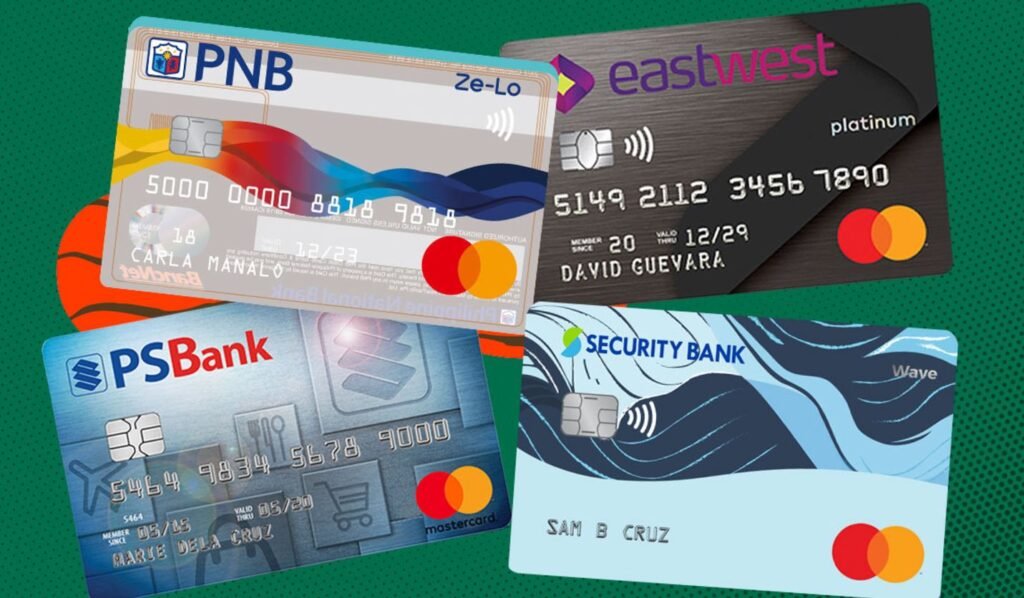
Credit cards are not static financial products—they evolve alongside the user’s financial behavior, credit profile, and economic environment. From the moment a card is approved to its long-term role within a financial system, each stage of the credit card lifecycle presents unique opportunities and risks.
Understanding and managing this lifecycle is essential for maximizing value, minimizing costs, and maintaining financial stability. This article provides a comprehensive, professional framework for credit card lifecycle management, covering acquisition, usage, optimization, monitoring, and long-term outcomes.
The Credit Card Lifecycle Framework
The lifecycle of a credit card can be divided into distinct stages.
Key Phases:
- Acquisition and approval
- Initial usage and setup
- Optimization and strategic use
- Monitoring and adjustment
- Long-term management or closure
Each phase requires different strategies and controls to ensure efficiency and sustainability.
Acquisition and Approval Strategy
The lifecycle begins with selecting and obtaining the right credit card.
Evaluation Criteria:
- Interest rates and fee structure
- Rewards and benefits alignment
- Credit limit suitability
- Issuer reputation and regulatory standing
Strategic Considerations:
- Avoid applying for multiple cards simultaneously
- Choose products aligned with actual spending patterns
- Consider long-term usability rather than short-term incentives
A disciplined acquisition strategy sets the foundation for effective use.
Initial Setup and Configuration
After approval, proper configuration is critical.
Essential Actions:
- Enable automatic payments
- Set up transaction alerts
- Define spending categories and limits
Objectives:
- Prevent missed payments
- Establish control mechanisms
- Align usage with financial planning
Early setup reduces operational risk and improves long-term outcomes.
Usage Optimization and Spending Alignment
Effective usage is the core of lifecycle management.
Key Principles:
- Use the card primarily for planned expenses
- Align spending with income and budget
- Avoid unnecessary or impulsive purchases
Strategic Use Cases:
- Consolidating recurring expenses
- Managing short-term cash flow
- Earning rewards on essential spending
Optimized usage ensures that credit cards remain beneficial tools rather than liabilities.
Payment Strategy and Interest Avoidance
Payment behavior determines overall cost.
Best Practices:
- Pay the full statement balance every cycle
- Avoid carrying balances whenever possible
- Monitor due dates carefully
Financial Impact:
- Eliminates interest charges
- Preserves the grace period
- Prevents debt accumulation
Consistent full payment is the most effective cost control strategy.
Credit Utilization Management
Utilization plays a key role in financial health.
Guidelines:
- Keep balances well below total credit limits
- Distribute spending across multiple cards if necessary
- Avoid sudden spikes in utilization
Benefits:
- Maintains financial flexibility
- Improves credit profile
- Reduces perceived lending risk
Effective utilization management supports long-term financial strength.
Rewards Optimization and Value Extraction
Rewards programs can provide additional value when used strategically.
Optimization Techniques:
- Match cards to high-spending categories
- Take advantage of bonus structures
- Redeem rewards efficiently
Caution:
- Do not increase spending solely to earn rewards
- Evaluate whether rewards justify any associated fees
Rewards should complement, not drive, financial behavior.
Cost Monitoring and Fee Control
Costs must be continuously monitored.
Key Cost Areas:
- Annual fees
- Late payment penalties
- Foreign transaction fees
Control Strategies:
- Review statements regularly
- Avoid unnecessary transactions
- Reassess card value annually
Ongoing cost control prevents erosion of financial benefits.
Risk Identification and Mitigation
Risk evolves throughout the lifecycle.
Major Risks:
- Accumulating high-interest debt
- Behavioral overspending
- Fraud and unauthorized transactions
Mitigation Measures:
- Maintain strict budgeting discipline
- Enable real-time alerts
- Regularly review account activity
Proactive risk management is essential for stability.
Monitoring and Performance Evaluation
Continuous evaluation ensures optimal performance.
Key Metrics:
- Total spending vs budget
- Rewards earned vs fees paid
- Interest avoided
Review Process:
- Monthly statement analysis
- Periodic strategic adjustments
- Identification of inefficiencies
Monitoring enables ongoing improvement.
Behavioral Management and Financial Discipline
Behavioral factors significantly influence outcomes.
Common Challenges:
- Treating credit as available income
- Ignoring cumulative balances
- Over-reliance on minimum payments
Solutions:
- Use structured budgeting systems
- Set clear financial goals
- Limit discretionary spending
Strong discipline ensures sustainable usage.
Integration with Broader Financial Systems

Credit cards should be integrated into a comprehensive financial framework.
Integration Areas:
- Budgeting and expense tracking
- Savings and emergency funds
- Investment strategies
Objective:
Ensure that credit usage supports overall financial goals rather than undermining them.
Scaling and Portfolio Expansion
As financial capacity grows, credit card usage may expand.
Considerations:
- Adding new cards for specific benefits
- Increasing credit limits responsibly
- Managing multiple accounts efficiently
Risks:
- Increased complexity
- Greater potential for mismanagement
Scaling must be accompanied by stronger controls.
Exit Strategy and Account Closure
Not all credit cards remain useful indefinitely.
Reasons for Closure:
- High fees with low benefits
- Redundant features
- Strategic simplification
Best Practices:
- Pay off all balances before closing
- Consider impact on credit history
- Maintain a balanced account structure
An exit strategy ensures long-term efficiency.
Long-Term Financial Impact
The cumulative effect of credit card usage shapes financial outcomes.
Positive Outcomes:
- Strong credit profile
- Efficient expense management
- Additional value through rewards
Negative Outcomes:
- High-interest debt cycles
- Reduced financial flexibility
- Increased financial stress
Long-term impact is determined by consistency and discipline.
Credit Cards as Dynamic Financial Tools
Credit cards are dynamic instruments that evolve with the user’s financial journey. Managing them effectively requires a lifecycle approach—one that considers acquisition, usage, optimization, and long-term impact as interconnected stages.
By applying structured strategies, maintaining discipline, and continuously monitoring performance, individuals can transform credit cards into powerful financial tools that support stability, flexibility, and long-term success.