In the world of investing, knowledge is power—but clarity is profit. If you have ever opened a brokerage account or watched a financial news segment, you have likely heard the term “trading commission” thrown around. For many new investors, these costs can feel like a “hidden tax” on their financial growth.
In this comprehensive guide, we will break down everything you need to know about trading commissions. From how they are calculated to the rise of zero-commission trading and the hidden costs that still exist, this article provides the roadmap you need to navigate the modern financial landscape.
What Exactly Is a Trading Commission?

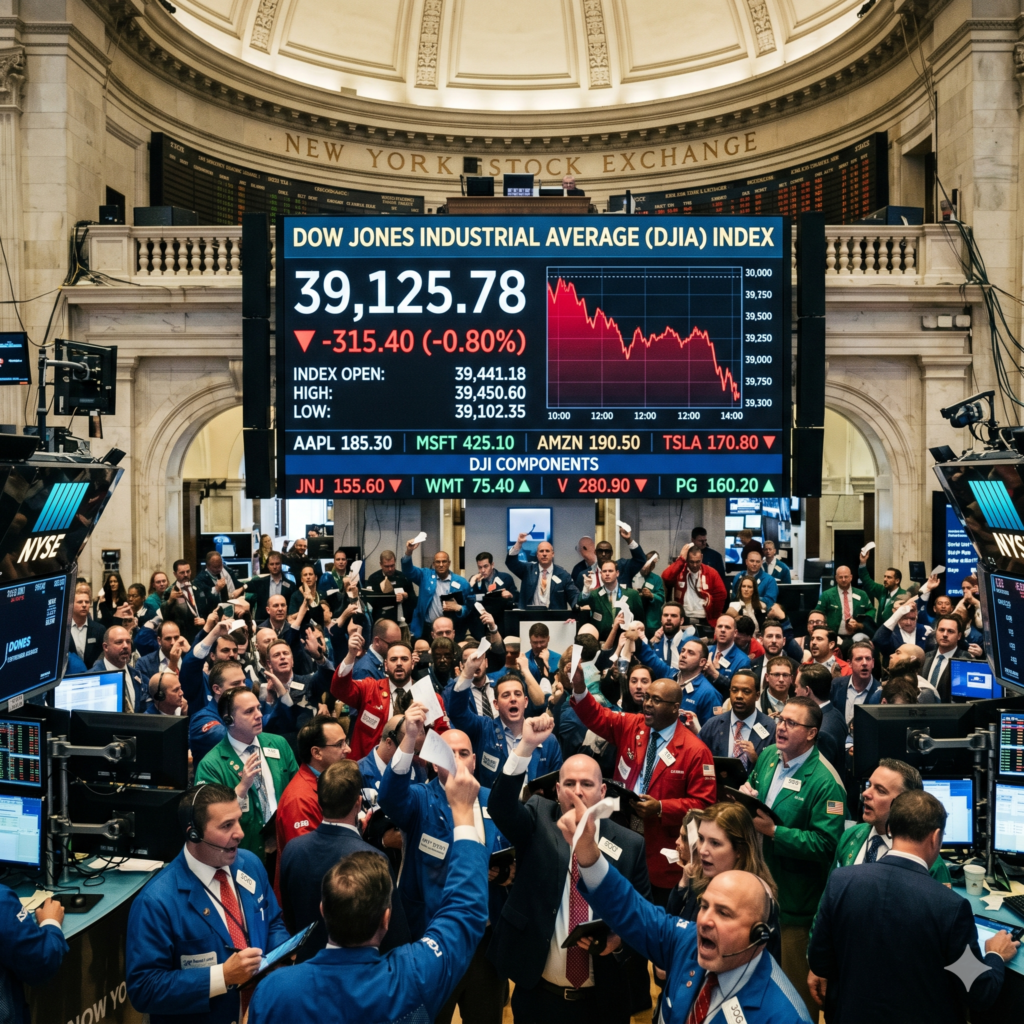
At its simplest level, a trading commission is a service fee charged by a broker to execute a trade on your behalf. Think of it like a delivery fee for a pizza or a service charge at a restaurant. Since individual investors cannot walk onto the floor of the New York Stock Exchange and buy shares directly, they use a “middleman”—the broker—to facilitate the transaction.
In exchange for providing the platform, the technology, and the regulatory compliance necessary to buy or sell securities, the broker charges a fee.
Why do commissions exist?
Brokers have significant overhead costs, including:
-
Maintaining high-speed servers and trading platforms.
-
Ensuring compliance with strict financial regulations.
-
Providing customer support and educational resources.
-
Facilitating the actual clearing and settlement of trades.
While the “price” of a stock is what you pay for the asset, the “commission” is what you pay for the access to that asset.
The Evolution of Brokerage Fees: From High Costs to Zero-Commission
If you were trading stocks in the 1980s or 90s, a single trade could cost you $50, $100, or even more. This created a high “barrier to entry” for the average person. You needed a large amount of capital just to make the transaction costs worth it.
The “May Day” Revolution
The shift began on May 1, 1975 (often called “May Day” in the financial world), when the U.S. government abolished fixed commission rates. This led to the birth of “discount brokers” like Charles Schwab, who began undercutting the high-priced traditional firms.
The Robinhood Effect
Fast forward to the 2010s, and the industry saw another massive shift. Apps like Robinhood introduced commission-free trading. To stay competitive, nearly every major U.S. brokerage—including E*TRADE, Fidelity, and TD Ameritrade—eliminated commissions for standard online stock and ETF trades.
However, as the old saying goes: “If you aren’t paying for the product, you are the product.” We will explore how “free” trading works later in this article.
How Trading Commissions Are Calculated
While many stock trades are now free, commissions still exist for various types of assets and specialized services. Here are the three primary ways they are structured:
1. The Flat Fee
This is a straightforward charge per trade, regardless of how many shares you buy. For example, a broker might charge $6.95 per trade. Whether you buy 1 share or 1,000 shares of Apple (AAPL), the cost remains the same.
2. Per-Share or Per-Contract Fees
This is common in high-volume trading and options. For instance:
-
Stocks: $0.005 per share.
-
Options: $0.65 per contract.
If you trade 10 options contracts, your commission would be $6.50.
3. Percentage-Based (AUM)
Usually reserved for professional wealth managers or “Robo-advisors,” this fee is a percentage of the total trade value or the total assets under management (AUM). If you invest $10,000 and the fee is 1%, you pay $100 annually.
Trading Commissions vs. Other Investment Fees
It is a common mistake to think that because a broker offers “zero commissions,” trading is entirely free. A trading commission is only one type of investment cost. To be a successful investor, you must distinguish it from these other fees:
| Fee Type | What It Covers | Who Charges It? |
| Trading Commission | Executing a buy/sell order. | The Broker. |
| Expense Ratio | Annual management of an ETF or Mutual Fund. | The Fund Manager (e.g., Vanguard). |
| Maintenance Fee | Keeping your account open. | The Broker. |
| Advisory Fee | Personalized financial advice. | Financial Advisor. |
| Inactivity Fee | Not trading for a long period. | Some discount brokers. |
Pro Tip: Always check the “Fee Schedule” on your broker’s website. They are legally required to list every possible charge, but they often hide them in the fine print.
The Hidden Costs of “Free” Trading: What You Need to Know
When a broker tells you that commissions are $0, they are still making money. As a layperson, it is vital to understand the “hidden” mechanisms that can cost you money without a line item showing up on your receipt.
Payment for Order Flow (PFOF)
This is the most controversial aspect of modern trading. Instead of sending your trade directly to the stock exchange, your broker might send it to a “market maker” (a large wholesale firm). The market maker pays your broker a small fraction of a cent per share for the right to execute that trade. While this allows for $0 commissions, it can sometimes result in a slightly worse “fill price” for the investor.
The Bid-Ask Spread
Every stock has two prices:
-
The Bid: The price buyers are willing to pay.
-
The Ask: The price sellers are willing to accept.
The difference between these two is the “spread.” If you buy a stock and immediately sell it, you will lose the amount of the spread. While not a direct commission, it is a transaction cost that functions similarly.
Margin Interest Rates
Many brokers offer free trades but charge high interest rates if you borrow money from them to trade (known as “trading on margin”). This is a primary revenue driver for “free” platforms.
How Commissions Impact Your Long-Term Portfolio Returns

To understand why minimizing commissions matters, let’s look at the math. Even a small fee can act as a “drag” on your portfolio over 20 or 30 years due to the loss of compounding interest.
Imagine you invest $500 every month.
-
Scenario A: You pay a $5 commission per trade. Over 30 years, you have paid $1,800 in fees. However, that $1,800 could have been invested. If it earned an average of 8% annually, those “small” $5 fees actually cost you over $7,000 in lost growth.
-
Scenario B: You use a zero-commission broker. Every dollar goes toward buying shares, allowing your interest to compound on a larger principal.
For active traders (people who buy and sell daily), commissions are even more dangerous. High-frequency trading with commissions can eat up 20% to 50% of your total profits if you aren’t careful.
Commissions Across Different Asset Classes
The “Zero Commission” rule usually only applies to U.S. Stocks and ETFs. Other assets still carry traditional fees:
1. Options Trading
Options are contracts to buy or sell a stock at a future date. Most brokers charge a “per contract” fee, usually between $0.50 and $1.00.
2. Cryptocurrency
Crypto exchanges (like Coinbase or Kraken) rarely use the “flat fee” model. Instead, they charge a percentage of the total trade, often ranging from 0.1% to 1.5%. This is significantly higher than stock trading.
3. Mutual Funds
Some older mutual funds have “loads” (commissions). A front-end load is charged when you buy, while a back-end load is charged when you sell. Modern investors generally avoid these in favor of “No-Load” funds.
4. International Stocks
If you live in the U.S. but want to buy a company listed on the London or Tokyo Stock Exchange, expect to pay a significant commission (often $20+) and currency conversion fees.
Strategies to Minimize Your Trading Costs
Even in an era of low fees, savvy investors find ways to keep more of their money. Here are advanced techniques to lower your costs:
-
Consolidate Your Trades: Instead of buying 1 share of a stock every day, buy 20 shares once a month. This is particularly helpful if your broker charges flat fees or if you are trading assets with per-trade costs.
-
Use Limit Orders: A “Market Order” buys the stock immediately at whatever price is available, often resulting in paying the full “Ask” price. A Limit Order lets you set the maximum price you are willing to pay, which can help you “capture the spread” and save a few cents per share.
-
Choose ETFs over Mutual Funds: Exchange-Traded Funds (ETFs) trade like stocks and are usually eligible for $0 commissions, whereas some mutual funds still carry transaction fees.
-
Watch Out for “Hidden” Service Fees: Avoid paper statements (which often cost $2-$5), wire transfer fees, and account closure fees by opting for digital-only services.
Regulatory Oversight: How the SEC and FINRA Protect You
In the United States, the Securities and Exchange Commission (SEC) and the Financial Industry Regulatory Authority (FINRA) oversee how brokers charge fees.
Brokers are required to provide “Best Execution.” This means that even if they receive “Payment for Order Flow,” they must still ensure that you are getting a fair market price for your stock. If a broker intentionally directs your trade to a slower or more expensive venue just to line their own pockets, they can face massive fines.
The “Regulation Best Interest” (Reg BI) also requires brokers to disclose any conflicts of interest regarding the fees they charge. As an investor, you have the right to transparency.
Questions to Ask Before Choosing a Brokerage

Before you hit the “Open Account” button, ask yourself these five questions to ensure the commission structure fits your style:
-
Does this broker charge commissions on the specific assets I want to trade (e.g., Options vs. Stocks)?
-
Is there a minimum balance requirement to avoid monthly “maintenance” fees?
-
Does the broker participate in Payment for Order Flow, and does that affect my execution speed?
-
Are there fees for transferring my money back to my bank account?
-
Is the “Zero Commission” offer permanent, or is it a promotional rate for the first 90 days?
The True Cost of Trading
A trading commission is no longer the “gatekeeper” it once was. For the average long-term investor, the move toward zero-commission trading has been a massive win, saving individuals thousands of dollars over their lifetimes.
However, “free” is rarely truly free. By understanding how brokers make money—whether through spreads, PFOF, or margin interest—you can make more informed decisions. Don’t let a small fee discourage you from investing, but don’t let “free” trades lure you into over-trading.
The best strategy remains the same: Focus on low-cost, long-term investments, and always read the fine print.