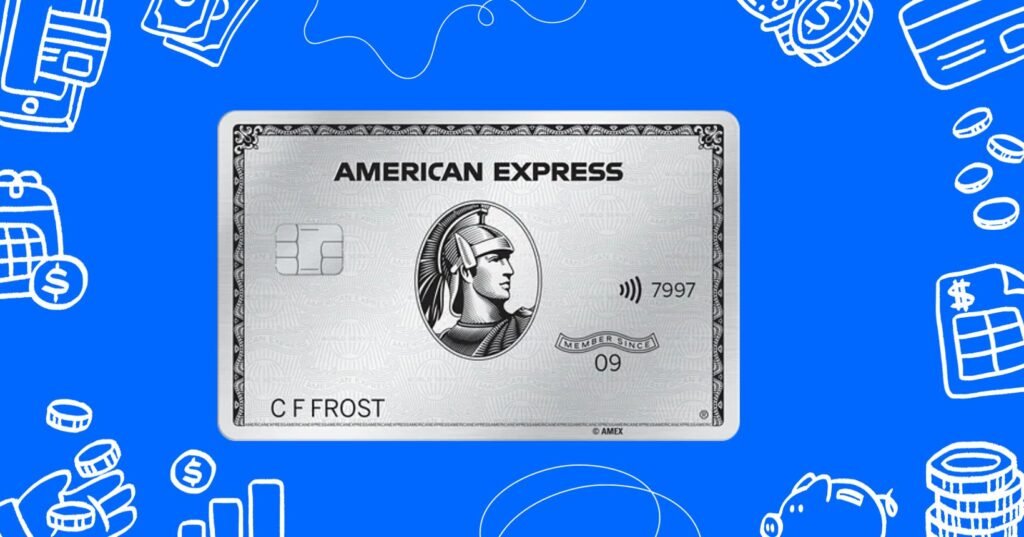
If you’re carrying high-interest credit card debt, a balance transfer can be one of the most effective tools to regain control. By moving your existing balance to a card with a lower—or even 0%—introductory interest rate, you can pause interest, focus on repayment, and potentially save a significant amount of money.
But like any financial strategy, balance transfers only work when used correctly. In this complete guide, you’ll learn how they function, when they make sense, and how to avoid the common mistakes that trap many users.
What Is a Balance Transfer?
A balance transfer is the process of moving debt from one credit card to another, usually to take advantage of better terms.
Key Purpose
- Reduce or eliminate interest temporarily
- Simplify payments
- Accelerate debt payoff
It’s not eliminating debt—it’s restructuring it.
How Balance Transfers Work
The process is straightforward but requires attention to detail.
Step-by-Step
- Apply for a balance transfer credit card
- Request transfer of existing balances
- Pay a transfer fee (if applicable)
- Begin repayment under new terms
Once approved, your old balance is paid off and moved to the new card.
0% Introductory APR: The Main Advantage
The biggest benefit is the promotional interest rate.
What It Means
- 0% interest for a limited period (e.g., 6–18 months)
- All payments go toward the principal
This creates a window to pay down debt faster.
Balance Transfer Fees
Most transfers are not completely free.
Typical Costs
- 3% to 5% of the transferred amount
Example
- Transfer $1,000 → Fee = $30–$50
Even with fees, savings can be substantial compared to high interest.
When a Balance Transfer Makes Sense
It’s a powerful tool—but not always the right choice.
Ideal Situations
- High-interest credit card debt
- Clear plan to repay within promo period
- Stable income
Less Ideal Situations
- Ongoing overspending
- Uncertain ability to repay
The strategy depends on discipline.
Creating a Payoff Plan
A balance transfer only works if you use the time wisely.
Example Plan
- Balance: $2,400
- Promo period: 12 months
- Monthly payment: $200
Set a fixed monthly target to eliminate the balance before interest resumes.
What Happens After the Promo Period?
This is where many people make mistakes.
Important Points
- Interest rate increases significantly
- Remaining balance accrues interest
You must aim to fully repay before the deadline.
Common Mistakes to Avoid
Balance transfers can backfire if misused.
Pitfalls
- Continuing to use old cards
- Missing payments
- Ignoring the promo deadline
- Transferring without a repayment plan
Avoid these, and the strategy becomes much more effective.
Credit Score Impact
Balance transfers can affect your credit profile.
Positive Effects
- Lower utilization if managed well
- On-time payments improve history
Negative Effects
- Hard inquiry from application
- Temporary score dip
Long-term, responsible use improves your score.
Choosing the Right Balance Transfer Card
Not all cards are equal.
What to Look For
- Length of 0% APR period
- Low transfer fee
- Reasonable post-promo interest rate
Major networks like Visa, Mastercard, and American Express offer various balance transfer options through issuing banks.
Options in Brazil
Balance transfer features vary in Brazil, but some institutions may offer similar refinancing options:
- Nubank
- Banco Inter
- Itaú Unibanco
- Bradesco
Check terms carefully, as structures may differ from other countries.
Balance Transfer vs Personal Loan
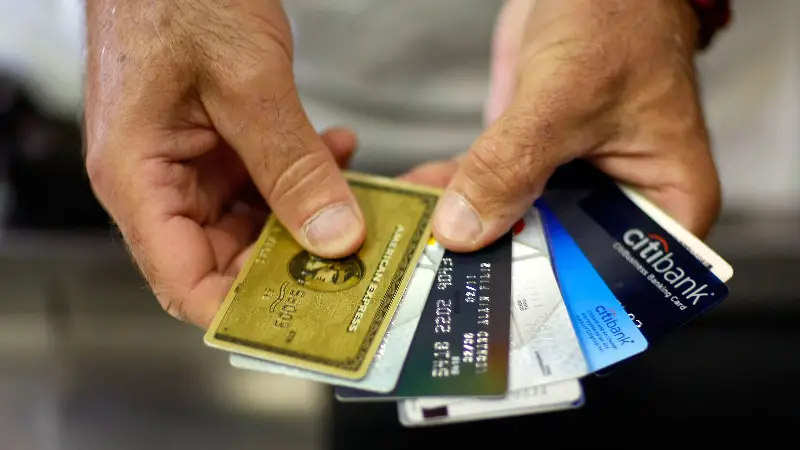
Both can reduce interest, but they differ.
Balance Transfer
- Temporary low interest
- Requires discipline
Personal Loan
- Fixed payments
- Predictable schedule
Choose based on your repayment style.
Managing Multiple Transfers
Some people use multiple balance transfers over time.
Risks
- Accumulating fees
- Extending debt duration
- Losing track of deadlines
This approach requires careful tracking and discipline.
Automation and Payment Tracking
Staying organized is essential.
Best Practices
- Set automatic payments
- Track promo end dates
- Monitor balances regularly
Organization prevents costly mistakes.
Building Better Habits
A balance transfer is a tool—not a solution by itself.
Key Habits
- Stop accumulating new debt
- Budget effectively
- Build an emergency fund
These habits ensure long-term success.
When to Avoid Balance Transfers
Sometimes, other options are better.
Avoid If
- You lack a repayment plan
- You struggle with spending control
- Fees outweigh potential savings
In these cases, simpler strategies may work better.
Turning Interest Into Opportunity
A balance transfer allows you to pause the most damaging part of credit card debt—interest. Used correctly, it gives you a rare advantage: time.
A Strategic Path to Debt Freedom
The key to success is simple: use the promotional period with intention. Pay aggressively, stay disciplined, and avoid new debt. When the balance reaches zero, you’ve not only saved money—you’ve taken a major step toward financial stability.