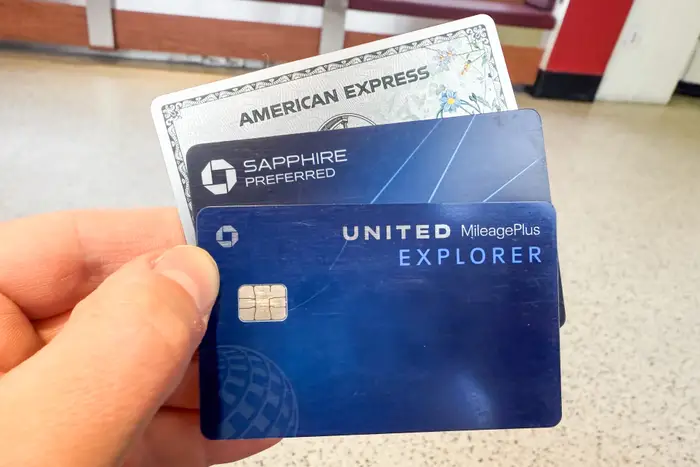
Credit cards are no longer just a payment method—they’ve evolved into powerful tools for earning cashback, travel rewards, and exclusive perks. When used strategically, your everyday spending can generate real value, turning routine purchases into savings, flights, hotel stays, and more.
However, maximizing credit card rewards requires more than simply swiping your card. It involves understanding reward structures, optimizing your spending, and avoiding costly mistakes that can cancel out your gains.
In this detailed guide, you’ll learn how credit card rewards work, how to choose the best cards, and how to build a system that consistently extracts maximum value.
What Are Credit Card Rewards?
Credit card rewards are incentives offered by issuers to encourage spending.
Common Reward Types
- Cashback: Percentage of your spending returned as cash
- Points: Flexible rewards redeemable for various options
- Miles: Travel-focused rewards for flights and hotels
Each type has its own advantages depending on your lifestyle.
How Reward Systems Work
Rewards are typically based on how much and where you spend.
Basic Structure
- Earn rewards per dollar spent
- Higher rates in specific categories (e.g., groceries, travel)
- Bonus offers for certain activities
Understanding this structure is key to maximizing benefits.
Cashback Cards: Simple and Effective
Cashback cards are the easiest to use.
How They Work
- Earn a fixed percentage back (e.g., 1–5%)
- Rewards are easy to redeem
Best For
- Everyday spending
- Simplicity and predictability
They are ideal for beginners and those who prefer straightforward rewards.
Points Systems: Flexible and Valuable
Points-based systems offer more options.
Redemption Options
- Travel bookings
- Gift cards
- Statement credits
Key Advantage
- Potential for higher value if used strategically
However, value varies depending on how points are redeemed.
Travel Rewards and Miles
Travel cards are popular among frequent travelers.
Benefits
- Airline miles
- Hotel points
- Travel perks (lounge access, insurance)
These cards can significantly reduce travel costs when used properly.
Major Payment Networks Behind Rewards
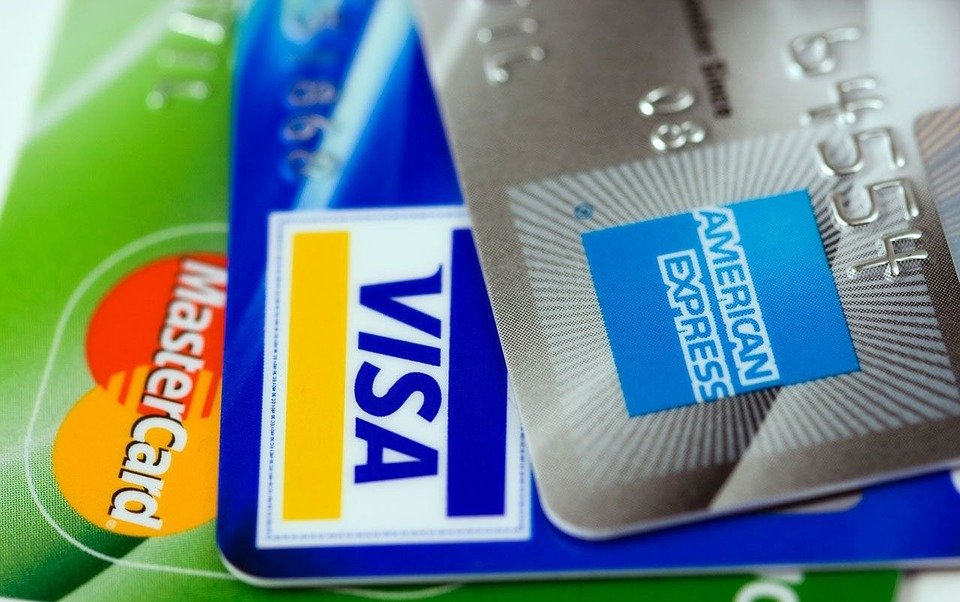
Most reward cards operate on major networks:
- Visa
- Mastercard
- American Express
Each network offers different benefits and acceptance levels.
Credit Card Rewards in Brazil
In Brazil, many issuers provide competitive reward programs:
- Nubank
- Itaú Unibanco
- Banco Inter
- Bradesco
Some offer cashback, while others focus on points and travel benefits.
Sign-Up Bonuses: The Fastest Way to Earn Rewards
Many cards offer large bonuses for new users.
How It Works
- Spend a required amount within a set period
- Receive a bonus in points, miles, or cashback
Tips
- Only pursue bonuses you can meet naturally
- Avoid overspending just to qualify
Sign-up bonuses can provide significant value quickly.
Category Spending Optimization
Some cards reward specific categories more than others.
Common Categories
- Groceries
- Dining
- Travel
- Fuel
Strategy
- Use different cards for different categories
- Maximize higher reward rates
This approach significantly increases total rewards.
Stacking Rewards for Maximum Value
Advanced users combine multiple strategies.
Techniques
- Use category bonuses + cashback portals
- Combine credit card rewards with loyalty programs
- Take advantage of promotions
This “stacking” can multiply your returns.
Redemption Strategies: Getting the Best Value
Not all redemptions are equal.
High-Value Redemptions
- Travel bookings (often highest value)
- Transfer to airline/hotel partners
Lower-Value Redemptions
- Gift cards
- Merchandise
Always compare the value per point before redeeming.
Annual Fees: Are They Worth It?
Some reward cards charge annual fees.
When It’s Worth It
- Rewards exceed the fee
- You use the perks (travel benefits, insurance)
When to Avoid
- Low spending levels
- Underutilized benefits
Evaluate the net value carefully.
Foreign Transaction Fees
Important for international use.
What to Know
- Some cards charge 1–3% per transaction abroad
- Travel cards often waive these fees
Choosing the right card can save money when traveling.
Avoiding Interest: Protecting Your Rewards
Rewards are only valuable if you avoid interest.
Rule
- Always pay your balance in full
Interest charges can easily exceed any rewards earned.
Common Mistakes in Reward Optimization
Avoid these pitfalls.
Pitfalls
- Overspending to earn rewards
- Ignoring annual fees
- Redeeming points inefficiently
- Carrying a balance
Discipline is essential.
Credit Score Impact
Using rewards cards responsibly improves your credit.
Positive Effects
- On-time payments
- Low utilization
Negative Effects
- High balances
- Missed payments
Good habits enhance both rewards and credit health.
Automation and Tracking
Managing multiple cards requires organization.
Tools
- Budgeting apps
- Expense trackers
- Automatic payments
Automation ensures consistency and avoids mistakes.
Travel Perks Beyond Points
Some cards offer additional benefits.
Examples
- Airport lounge access
- Travel insurance
- Priority boarding
These perks can significantly enhance your experience.
Building a Rewards Strategy
A structured approach maximizes value.
Step-by-Step
- Identify your spending habits
- Choose cards that match those habits
- Optimize category spending
- Redeem rewards strategically
A clear system improves results.
Long-Term Value of Rewards
Over time, rewards can add up significantly.
Benefits
- Reduced travel costs
- Extra savings
- Enhanced financial efficiency
Consistency turns small rewards into meaningful value.
Turning Spending into Opportunity
Credit card rewards allow you to turn everyday expenses into something more valuable. By understanding how reward systems work and applying smart strategies, you can extract maximum benefit from every purchase.
A Strategic Approach to Everyday Spending
The key to success is not spending more—it’s spending smarter. Use the right cards, optimize your categories, and stay disciplined with payments.
When done correctly, credit card rewards become more than just perks—they become a powerful extension of your financial strategy.