
Why Money Decisions Drain More Than Your Wallet
When people think about finance, they focus on numbers—income, expenses, investments. But there’s another resource constantly being used behind the scenes: mental energy.
Every financial decision—big or small—requires attention, judgment, and discipline. Over time, these decisions create a form of fatigue that can lead to poor choices, avoidance, or inconsistency.
This is where financial energy management comes in: structuring your financial life so it requires less effort to maintain and more clarity to improve.
What Is Financial Energy?
Financial energy is the mental effort required to manage money.
It Includes
- Tracking expenses
- Making spending decisions
- Managing bills and payments
- Evaluating financial options
The more complex your system, the more energy it consumes.
Decision Fatigue and Money
Humans have a limited capacity for decision-making.
What Happens
- Too many small decisions → mental exhaustion
- Exhaustion → shortcuts and impulsive choices
- Impulsive choices → financial inefficiency
This is why even financially knowledgeable people sometimes make poor decisions.
High-Energy vs. Low-Energy Financial Systems
Not all financial setups require the same effort.
High-Energy Systems
- Multiple accounts with no structure
- Manual tracking of every expense
- Frequent decision-making without rules
Low-Energy Systems
- Automated payments
- Clear categories and limits
- Predefined financial rules
The goal is to move toward a system that runs with minimal effort.
The Cost of Constant Monitoring
Many people believe that checking finances frequently improves control.
Reality
- Constant monitoring increases stress
- Leads to reactive decisions
- Consumes unnecessary mental energy
Structured reviews are more effective than constant attention.
Automation as Energy Optimization
Automation reduces the number of decisions you need to make.
Examples
- Automatic bill payments
- Scheduled savings transfers
- Recurring investments
Automation ensures consistency without requiring daily attention.
Pre-Decision Frameworks
One of the most effective ways to save energy is to decide in advance.
Examples
- Fixed percentage of income saved monthly
- Spending limits per category
- Rules for when to invest or not
These frameworks eliminate repeated decision-making.
Reducing Financial Complexity
Complexity is one of the biggest drains on financial energy.
Simplification Strategies
- Fewer bank accounts
- Consolidated investments
- Clear and consistent systems
Simpler systems are easier to maintain and less prone to errors.
The Role of Clarity
Clarity reduces mental effort.
Benefits
- Faster decision-making
- Reduced stress
- Increased confidence
When you know where your money is going, decisions become easier.
Emotional Energy and Money
Financial decisions are not purely logical—they are emotional.
Emotional Drains
- Stress from debt
- Anxiety about expenses
- Fear of making mistakes
Managing these emotions is part of managing financial energy.
Energy Leaks in Your Financial Life
Some activities drain energy without adding value.
Common Leaks
- Overanalyzing small purchases
- Constantly switching strategies
- Checking accounts excessively
Identifying and eliminating these leaks improves efficiency.
Strategic Allocation of Attention
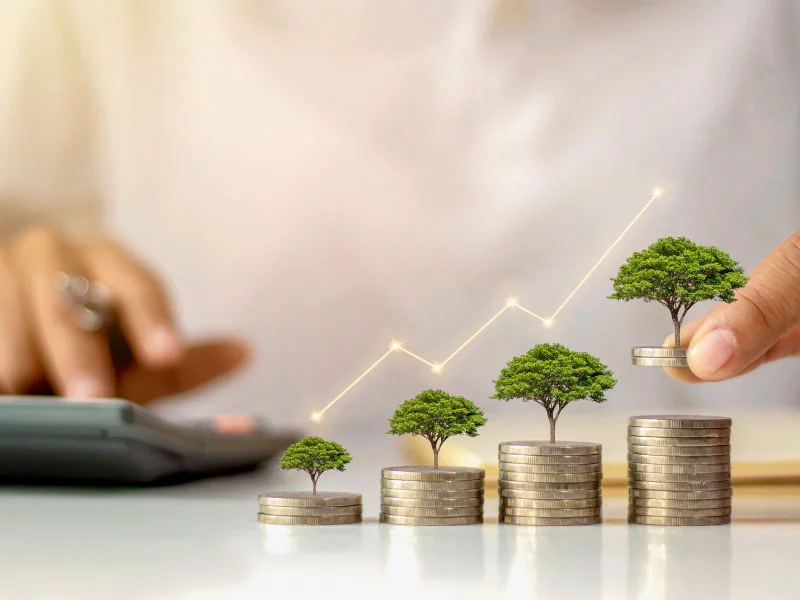
Not all financial decisions deserve equal attention.
Focus On
- High-impact decisions (income, major expenses, investments)
Reduce Focus On
- Minor daily spending (once controlled by a system)
This ensures your energy is used where it matters most.
Building a Sustainable Financial Routine
Consistency is easier when energy demands are low.
Example Routine
- Weekly quick review
- Monthly deeper analysis
- Automated daily operations
This balances awareness with efficiency.
Long-Term Benefits of Energy Management
Optimizing financial energy leads to:
- Better decision quality
- Reduced stress
- Increased consistency
- Improved long-term outcomes
These benefits compound over time.
When High Energy Is Worth It
Not all effort should be avoided.
High-Energy Moments That Matter
- Setting up your financial system
- Making major investment decisions
- Planning long-term goals
Invest energy upfront to save it later.
The Strategic Perspective
Financial success is not just about knowledge—it’s about sustainability. A system that requires constant effort will eventually break down, regardless of how good it looks on paper.
By managing your financial energy, you create a system that is not only effective, but also maintainable over the long term.
The Real Advantage
Most people try to improve their finances by doing more—tracking more, analyzing more, thinking more. But often, the real improvement comes from doing less, but better.
When your financial system is aligned with your mental capacity, decisions become clearer, habits become consistent, and progress becomes sustainable.
In the end, managing money well is not just about discipline—it’s about designing a system that works even when your energy is low.