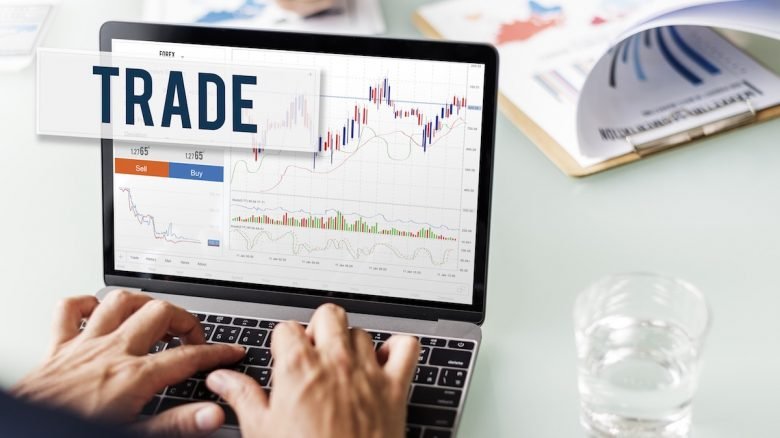
The Invisible Hand of the Platform
When investors think about success in the stock market, they usually focus on strategies, analysis, or timing. Rarely do they consider how much their brokerage platform itself influences their behavior.
Yet, every click, notification, and chart is part of a designed environment that shapes decisions. Brokerages are not neutral tools—they are interactive systems that can guide, accelerate, or even distort investor behavior.
The Intersection of Brokerages and Psychology
Behavioral finance studies how psychological factors affect financial decisions. When combined with brokerage platforms, it creates a powerful dynamic.
Key Idea
- Investors believe they are acting rationally
- Platforms subtly influence their actions
- Outcomes are shaped by both logic and design
Understanding this interaction is essential for improving decision-making.
Instant Access and the Urge to Act
Modern brokerages provide immediate access to markets.
Effects of Instant Access
- Reduces friction in trading
- Encourages quick decisions
- Increases trading frequency
While convenience is valuable, it can also lead to impulsive behavior.
The Role of Notifications
Notifications are designed to keep users engaged.
Common Types
- Price alerts
- Market news updates
- Portfolio performance changes
Behavioral Impact
- Creates a sense of urgency
- Triggers emotional reactions
- Encourages frequent monitoring
This constant flow of information can shift focus from long-term strategy to short-term movement.
Visual Design and Emotional Response
The way data is presented affects perception.
Examples
- Green for gains creates positive reinforcement
- Red for losses triggers negative emotion
- Large price swings appear more dramatic on certain chart styles
Visual cues can amplify emotional responses, influencing decisions beyond pure logic.
Frictionless Trading and Overactivity
Many platforms are designed to make trading as easy as possible.
Consequences
- Increased number of trades
- Reduced time for analysis
- Higher exposure to mistakes
Lower friction is convenient, but it can reduce discipline.
Gamification of Investing
Some brokerages incorporate game-like elements.
Features
- Achievement badges
- Confetti animations after trades
- Progress indicators
Risks
- Treating investing like entertainment
- Prioritizing activity over strategy
- Ignoring long-term goals
Gamification can blur the line between investing and speculation.
Confirmation Bias Through Data Presentation
Brokerages often allow users to customize what they see.
Behavioral Effect
- Investors focus on data that supports their beliefs
- Contradictory information is ignored
This reinforces existing biases, making objective analysis more difficult.
Loss Aversion and Portfolio Monitoring
Frequent checking of a portfolio increases emotional sensitivity.
Psychological Pattern
- Losses feel stronger than gains
- Small declines trigger disproportionate reactions
- Investors may sell too early to avoid discomfort
Brokerage apps make it easy to check portfolios constantly, amplifying this effect.
Social Influence and Market Behavior
Some platforms include social features or highlight trending assets.
Impact
- Encourages herd behavior
- Increases attention on popular stocks
- Reduces independent thinking
Social influence can accelerate trends but also increase risk.
The Illusion of Control
Advanced tools can create a sense of mastery.
Examples
- Complex charts
- Technical indicators
- Real-time data feeds
While useful, these tools can lead to overconfidence, making investors believe they can predict outcomes more accurately than they actually can.
Managing Platform-Induced Bias
Being aware of these influences is the first step.
Practical Strategies
- Limit frequency of portfolio checks
- Disable unnecessary notifications
- Focus on long-term goals
- Use predefined rules for trading
These actions reduce emotional interference.
Choosing the Right Brokerage Environment

Not all platforms influence behavior in the same way.
What to Look For
- Clean and simple interface
- Minimal distractions
- Strong analytical tools
- Transparent cost structure
A well-designed environment supports better decision-making.
Discipline Over Design
No platform can replace discipline.
Key Principle
The best results come from combining:
- Clear strategy
- Emotional control
- Awareness of platform influence
Brokerages provide the tools, but the user defines how they are used.
The Long-Term Perspective
Over time, small behavioral differences can lead to significant differences in outcomes.
Investors who recognize how brokerages influence their actions are better equipped to stay consistent, avoid unnecessary risks, and maintain focus on long-term growth.
The Real Edge
The real advantage in investing is not just better analysis—it is better behavior.
By understanding how brokerages shape decisions, investors can take control of their actions, reduce emotional bias, and use these platforms as tools rather than influences—turning awareness into a lasting edge in the market.