
The Stock Market as an Attention Economy
Beyond numbers, charts, and fundamentals, the stock market operates as an attention-driven system. Capital doesn’t just follow value—it follows visibility.
In many cases, the more attention an asset receives, the more likely it is to experience increased trading activity, volatility, and price movement. This transforms the market into a competition not only for capital, but for investor focus.
Attention as a Scarce Resource
Just like capital, attention is limited. Investors cannot analyze everything at once, so they concentrate on what stands out.
What Attracts Attention
- Strong price movements
- Breaking news
- Social media trends
- Unusual volume activity
Assets that capture attention tend to attract more participants, which directly impacts price behavior.
Visibility and Liquidity Expansion
When an asset becomes widely visible, liquidity often increases.
Effects of Increased Visibility
- More buyers and sellers enter the market
- Trading volume rises
- Price movements become more dynamic
Visibility acts as a gateway that allows capital to flow more freely into an asset.
The Attention Feedback Loop
Attention creates a powerful feedback mechanism.
How the Loop Works
- An asset gains attention
- More investors start buying or watching
- Volume increases
- Price begins to move
- Movement attracts even more attention
This loop can accelerate trends far beyond what fundamentals alone would justify.
Sudden Attention Spikes
Sometimes, attention appears rapidly and unexpectedly.
Common Triggers
- Viral news or events
- Earnings surprises
- Influencer or media coverage
These spikes can lead to sharp price movements in a very short time.
Attention Decay
Attention is not permanent—it fades over time.
What Happens When Attention Drops
- Trading volume decreases
- Volatility declines
- Price movements slow or reverse
Assets that lose attention often enter periods of stagnation.
Noise vs. Sustained Interest
Not all attention is equal.
Short-Term Noise
- Temporary spikes in interest
- Often driven by hype
- Can lead to rapid reversals
Sustained Attention
- Driven by long-term narratives
- Supported by consistent capital inflow
- Leads to more stable trends
Distinguishing between these two is critical.
Retail vs. Institutional Attention
Different types of participants focus on different signals.
Retail Attention
- Often influenced by news and social media
- More reactive
- Can amplify short-term movements
Institutional Attention
- Focused on data and long-term trends
- Moves larger amounts of capital
- Shapes broader market direction
The interaction between these groups influences how attention translates into price action.
Overcrowding and Risk
When too many investors focus on the same asset, risks increase.
Signs of Overcrowding
- Extreme optimism
- Rapid price increases
- High volume concentration
Overcrowded trades can reverse quickly when attention shifts elsewhere.
Attention Rotation Across Markets
Just like capital, attention rotates.
Rotation Patterns
- From one sector to another
- From large-cap to small-cap stocks
- From stable assets to high-risk opportunities
Tracking where attention is moving can provide insight into emerging trends.
The Role of Technology in Attention
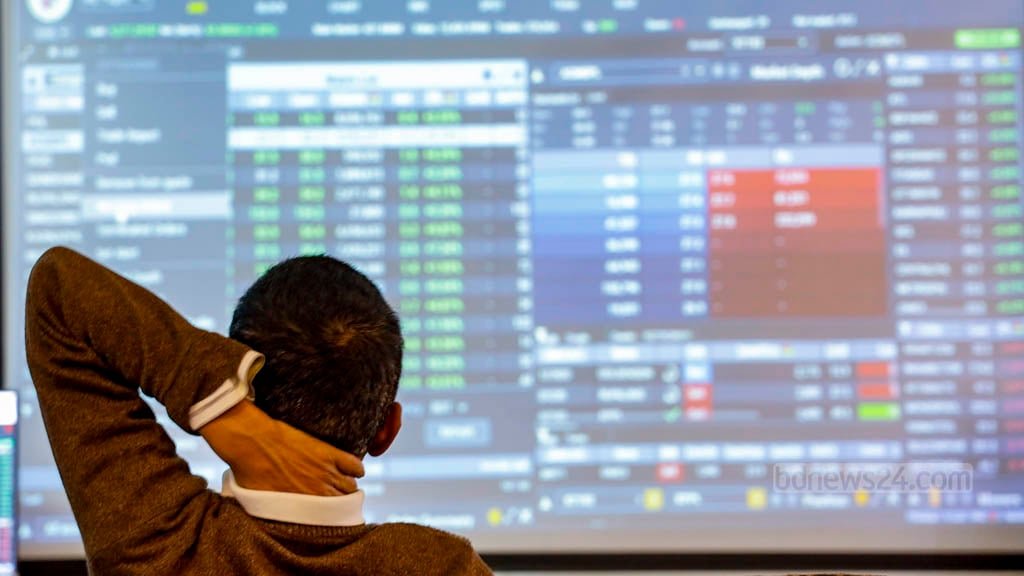
Modern platforms have amplified the speed at which attention spreads.
Key Influences
- Social media platforms
- Real-time news distribution
- Trading apps and notifications
Information travels faster than ever, accelerating attention cycles.
Measuring Attention
While attention is intangible, it can be approximated through indicators.
Common Proxies
- Trading volume
- Search trends
- News frequency
- Social media mentions
These signals help identify where focus is concentrated.
Attention and Volatility
High attention often leads to increased volatility.
Why This Happens
- More participants with different opinions
- Rapid shifts in sentiment
- Increased trading activity
Volatility is often a byproduct of competing interpretations among a larger audience.
Strategic Perspective on Attention
Understanding attention allows for a different way of analyzing markets.
Key Questions
- Where is attention increasing?
- Is the attention sustainable?
- What happens when attention fades?
These questions provide insight beyond traditional financial metrics.
The Continuous Shift of Focus
Attention in the stock market is constantly shifting. Assets rise and fall not only based on value, but on how much they are being observed, discussed, and acted upon.
By recognizing attention as a driving force, investors gain a deeper understanding of why markets behave the way they do—and how momentum can form, accelerate, and eventually fade.