The Hidden Forces Behind Market Speed
When people look at the stock market, they usually focus on direction—up or down. But an equally important dimension is speed: how fast prices move and why.
This is where the concept of market friction and flow comes in. Some forces slow the market down, creating stability. Others accelerate it, creating rapid moves, breakouts, or crashes. Understanding these forces gives a deeper edge than simply analyzing charts.
What Is Market Flow?
Market flow refers to how easily capital moves through the system.
Characteristics of Strong Flow
- High trading activity
- Smooth price transitions
- Consistent participation from buyers and sellers
When flow is strong, markets behave efficiently and trends develop more cleanly.
What Is Market Friction?
Friction represents resistance—anything that slows or disrupts price movement.
Sources of Friction
- Large sell or buy walls
- Uncertainty among participants
- Lack of liquidity at key levels
Friction creates pauses, consolidations, and indecision in the market.
The Balance Between Flow and Friction
Markets are constantly balancing these two forces.
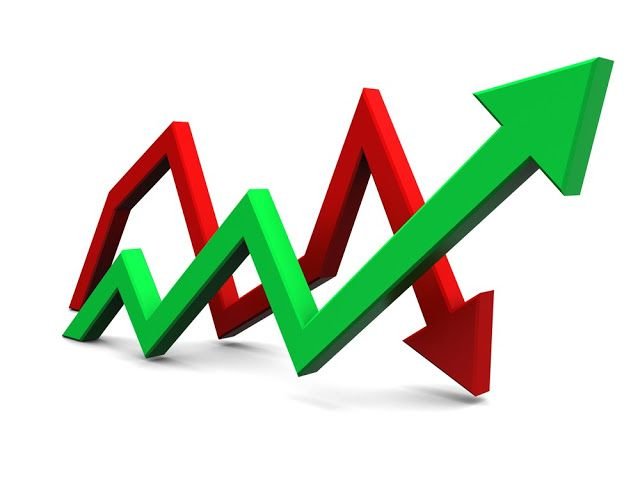
- High flow + low friction → strong trends
- Low flow + high friction → sideways movement
- High flow + high friction → volatility spikes
Understanding this balance helps explain why markets sometimes trend smoothly and other times feel “stuck.”
Liquidity Bottlenecks
Liquidity is not evenly distributed across price levels. Certain areas act as bottlenecks, where movement slows.
Why Bottlenecks Form
- Concentration of orders
- Psychological price levels
- Institutional positioning
When price reaches these areas, it may pause, reverse, or break through with strong momentum.
Breakouts: When Flow Overcomes Friction
A breakout happens when buying or selling pressure overwhelms resistance.
Breakout Dynamics
- Price approaches a resistance level
- Orders accumulate (friction builds)
- Pressure increases
- Flow surges and breaks through
The strength of a breakout depends on how much friction existed before it.
Absorption and Hidden Strength
Sometimes, large players absorb buying or selling pressure without letting price move significantly.
What Absorption Indicates
- Strong opposing interest
- Potential reversal zones
- Institutional activity
Absorption is a form of hidden friction that can precede major moves.
Acceleration Phases
Markets don’t always move at the same speed. Acceleration phases occur when flow increases rapidly.
Triggers of Acceleration
- News events
- Sudden increase in volume
- Break of key levels
During these phases, prices can move quickly with minimal resistance.
Exhaustion: When Flow Weakens
After strong movements, markets often slow down.
Signs of Exhaustion
- Decreasing volume
- Smaller price movements
- Increased hesitation
Exhaustion indicates that flow is weakening and friction may soon dominate.
The Role of Volume
Volume acts as a proxy for flow.
High Volume
- Strong participation
- Increased momentum
- Higher conviction
Low Volume
- Weak participation
- Greater uncertainty
- Higher susceptibility to manipulation
Volume helps confirm whether a move is supported by real flow.
Psychological Friction
Not all friction is structural—some of it is psychological.
Examples
- Fear at previous crash levels
- Greed near all-time highs
- Uncertainty during economic events
These emotions create hesitation, which slows price movement.
Market Phases Through Flow and Friction
Different market environments can be understood through these dynamics.
Trending Markets
- Strong flow
- Low resistance
- Clear direction
Ranging Markets
- Balanced flow and friction
- Repeated reversals
- Lack of direction
Volatile Markets
- Rapid shifts between flow and friction
- Unpredictable movements
- High risk and opportunity
Institutional Influence on Flow
Large institutions play a major role in controlling flow.
How Institutions Impact the Market
- Inject large volumes of capital
- Create or remove liquidity
- Influence key price levels
Their activity often determines whether friction holds or breaks.
Timeframe Impact on Flow Dynamics
Flow and friction behave differently depending on the timeframe.
Short-Term
- Rapid changes in flow
- High sensitivity to news
- Frequent fluctuations
Long-Term
- Smoother flow patterns
- Reduced noise
- More stable trends
Understanding timeframe context helps interpret movement more accurately.
Using Flow and Friction as a Framework
Instead of asking “Why is the market going up or down?”, a more powerful question is:
- Is flow increasing or decreasing?
- Where is friction building?
- What happens if one overcomes the other?
This perspective provides a clearer understanding of market behavior beyond traditional analysis.
The Continuous Interaction
Markets never operate in a state of pure flow or pure friction. They are always transitioning between the two.
Recognizing these transitions allows for better timing, improved risk awareness, and a deeper understanding of how prices evolve—not just where they go.