Credit cards have long been a cornerstone of consumer finance, but their role is rapidly evolving in the age of financial technology. What was once a simple borrowing tool has transformed into a sophisticated payment instrument integrated with digital ecosystems, advanced security systems, and personalized financial services.
As fintech companies reshape the financial landscape, credit cards are adapting to new expectations. Consumers now demand faster transactions, enhanced security, seamless digital integration, and smarter financial insights. In response, credit card providers are introducing innovative features that redefine how people interact with money.
Exploring how credit cards fit into the fintech revolution reveals not only their current capabilities but also their future potential in an increasingly digital world.
The Convergence of Credit Cards and Fintech
Fintech, short for financial technology, refers to the integration of technology into financial services to improve efficiency and accessibility. Credit cards have become a key component of this transformation.
Modern credit card systems are no longer standalone products. They are connected to mobile apps, digital wallets, budgeting tools, and real-time analytics platforms. This integration allows users to manage their finances in a more dynamic and interactive way.
Fintech-driven credit cards often include features such as instant transaction notifications, automated spending categorization, and personalized financial recommendations. These tools provide users with greater visibility into their financial behavior.
The convergence of credit cards and fintech has created a more responsive and user-centric financial experience.
Contactless Payments and Speed
One of the most visible innovations in credit card technology is the rise of contactless payments. This feature allows users to complete transactions by simply tapping their card on a payment terminal.
Contactless technology significantly reduces transaction time, making it ideal for everyday purchases such as groceries, transportation, and dining. The speed and convenience of tap-to-pay systems have contributed to their widespread adoption.
In addition to physical cards, contactless functionality is also integrated into mobile wallets, enabling users to make payments using smartphones or wearable devices.
This shift toward faster transactions reflects the growing demand for efficiency in modern financial interactions.
Enhanced Security Through Advanced Technology
As digital transactions increase, so does the need for robust security measures. Credit card providers have implemented multiple layers of protection to safeguard user data and prevent fraud.
Tokenization is one such technology, replacing sensitive card information with unique digital tokens during transactions. This reduces the risk of data exposure in the event of a breach.
Biometric authentication, including fingerprint and facial recognition, adds another level of security by ensuring that only authorized users can access payment systems.
Real-time fraud detection systems analyze transaction patterns and flag suspicious activity immediately. These systems use machine learning to improve accuracy over time.
Together, these technologies create a secure environment that supports the growing reliance on digital payments.
Personalization and Data-Driven Insights
One of the most significant advantages of fintech integration is the ability to personalize financial services. Credit card platforms now use data analytics to provide tailored insights based on user behavior.
Spending reports break down expenses into categories, helping users understand where their money goes. Some platforms also offer budgeting tools that suggest limits based on income and spending patterns.
Personalized rewards programs are another example. Instead of generic cashback offers, some credit cards adjust rewards based on individual spending habits, providing greater value to users.
This level of personalization transforms credit cards into proactive financial tools rather than passive payment methods.
The Role of Artificial Intelligence in Credit Cards
Artificial intelligence is playing an increasingly important role in the evolution of credit cards. AI systems can analyze large volumes of data to identify trends, predict behavior, and enhance decision-making.
For example, AI can help detect fraudulent transactions by recognizing patterns that deviate from normal spending behavior. It can also provide recommendations for optimizing credit card usage, such as suggesting when to pay balances or how to maximize rewards.
Some platforms are exploring AI-driven customer support, offering instant assistance through chatbots and virtual assistants.
As AI technology continues to advance, its integration with credit cards will likely become even more sophisticated.
Integration with Digital Wallets and Ecosystems
Credit cards are now deeply integrated into digital ecosystems. Mobile wallets allow users to store multiple cards in a single application, making payments more convenient and reducing the need for physical cards.
These wallets often include additional features such as transaction history, budgeting tools, and loyalty program integration. This creates a centralized platform for managing various aspects of personal finance.
E-commerce platforms also benefit from this integration. Stored payment information enables one-click purchasing, streamlining the checkout process and improving user experience.
The seamless interaction between credit cards and digital platforms reflects the broader trend toward interconnected financial systems.
Subscription Economy and Recurring Payments
The rise of subscription-based services has further increased the importance of credit cards. Streaming platforms, software services, and online memberships all rely on recurring payments.
Credit cards provide a reliable method for managing these subscriptions, ensuring that payments are processed automatically without interruption.
However, this convenience also requires careful monitoring. Multiple subscriptions can accumulate over time, leading to higher monthly expenses than anticipated.
Many credit card platforms now offer tools that track recurring payments, helping users maintain visibility and control over their subscriptions.
Sustainability and Digital Transformation
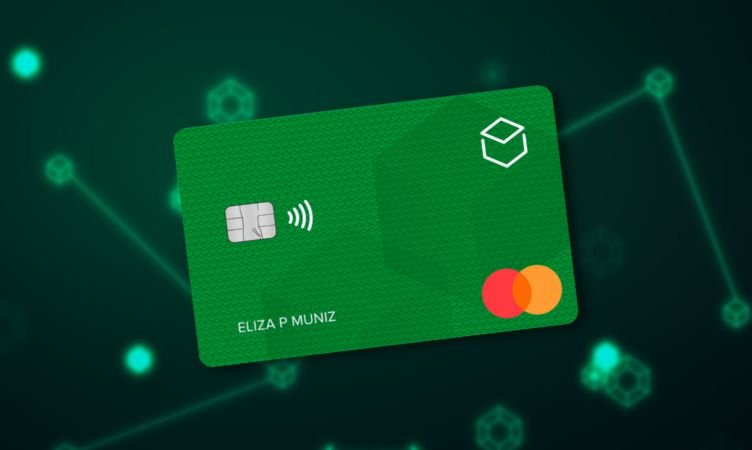
As environmental concerns grow, the credit card industry is also exploring sustainable practices. Digital statements, virtual cards, and paperless billing reduce the need for physical materials.
Some providers are introducing cards made from recycled or biodegradable materials. Others are offering incentives for environmentally conscious spending, such as rewards for purchases related to sustainability.
The shift toward digital-first solutions not only improves efficiency but also aligns with broader efforts to reduce environmental impact.
Sustainability is becoming an increasingly important factor in the design and operation of financial products.
Challenges and Risks in a Digital Payment World
Despite the many advantages of modern credit cards, there are also challenges associated with their widespread use. Increased reliance on digital systems can expose users to cybersecurity risks if proper precautions are not taken.
Phishing attacks, data breaches, and identity theft remain ongoing concerns. Users must remain vigilant and adopt best practices such as using secure passwords and enabling multi-factor authentication.
Additionally, the convenience of digital payments can lead to overspending if not managed carefully. The ease of making transactions may reduce awareness of total expenses.
Balancing convenience with responsibility is essential for navigating the digital payment landscape effectively.
Financial Inclusion and Expanding Access
Fintech innovations are also helping expand access to credit cards and financial services. Alternative credit scoring models use non-traditional data to evaluate creditworthiness, making it easier for individuals without extensive credit histories to qualify for cards.
This approach supports financial inclusion by providing opportunities for more people to participate in the financial system. Access to credit cards can help individuals build credit, manage expenses, and engage in digital commerce.
As technology continues to evolve, credit card providers are likely to develop even more inclusive solutions.
The Future of Credit Cards in a Digital Economy
The future of credit cards is closely tied to the ongoing evolution of financial technology. Innovations such as blockchain, decentralized finance, and advanced AI systems have the potential to reshape how credit and payments are managed.
Digital-first experiences will likely become the norm, with physical cards playing a reduced role over time. Enhanced security, faster transactions, and deeper personalization will continue to define the next generation of credit card services.
At the same time, consumer expectations will drive further innovation, pushing providers to deliver more value and convenience.
Credit Cards and the Evolution of Intelligent Payments
Credit cards have transformed from simple borrowing tools into intelligent payment systems that adapt to user needs. Their integration with fintech has introduced new levels of convenience, security, and personalization.
As digital ecosystems continue to expand, credit cards will remain a central component of modern finance. Their ability to evolve alongside technological advancements ensures that they will continue to play a vital role in how people manage money and interact with financial systems.
By understanding these changes, users can better navigate the opportunities and challenges of credit cards in a rapidly evolving financial landscape.