
In today’s financial world, most investors access the stock market through online brokerages. These platforms act as intermediaries that allow individuals to buy and sell financial assets such as stocks, bonds, exchange-traded funds (ETFs), and other securities.
Over the past two decades, brokerage services have evolved dramatically. What once required phone calls to financial professionals can now be done instantly through mobile apps and online platforms.
Understanding how brokerages work is essential for anyone interested in participating in financial markets.
What Is a Brokerage?
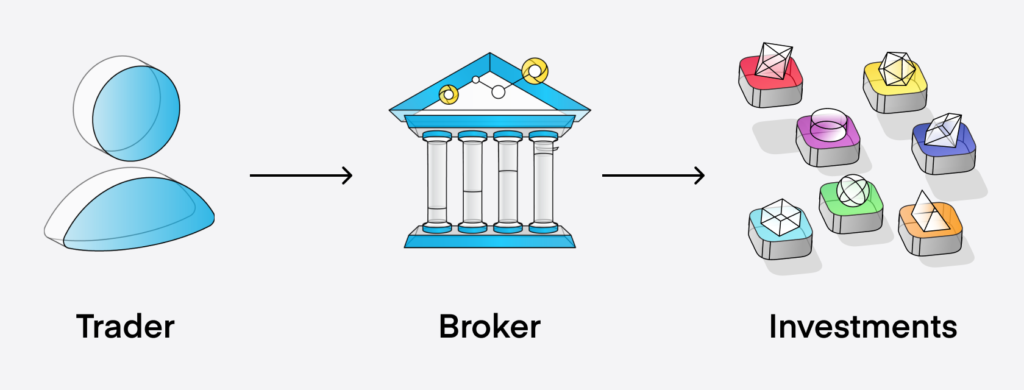
A brokerage is a financial firm that facilitates transactions between investors and financial markets.
When an investor wants to purchase or sell a security, the brokerage executes the trade on their behalf. Without brokerages, individual investors would not have direct access to stock exchanges.
Brokerages provide the infrastructure that connects investors with the global financial system.
How Online Brokerages Work
Online brokerages operate through digital platforms that allow users to manage investments through computers or smartphones.
After opening an account, investors can deposit funds and begin trading various financial assets.
Most platforms provide tools such as:
-
real-time market data
-
investment research reports
-
price charts and analysis tools
-
portfolio tracking features
-
order management systems
These features help investors make informed decisions and monitor their investments.
Types of Brokerage Services
Brokerage firms may offer different levels of service depending on the needs of their clients.
Full-Service Brokerages
Full-service brokerages provide a wide range of financial services, including:
-
investment advice
-
portfolio management
-
retirement planning
-
financial consulting
These services are often provided by financial professionals who help clients make investment decisions.
Discount Brokerages
Discount brokerages focus primarily on executing trades at lower costs.
They typically provide fewer advisory services but offer powerful trading platforms that allow investors to manage their portfolios independently.
This model has become increasingly popular as more investors prefer to make their own investment decisions.
Brokerage Accounts
To begin investing, individuals must open a brokerage account.
This account acts as the central hub where investors deposit funds and store financial assets.
Common types of brokerage accounts include:
-
individual investment accounts
-
retirement accounts
-
joint accounts shared by multiple owners
-
custodial accounts for minors
The type of account chosen may depend on financial goals and investment strategies.
Trading Fees and Commissions
Historically, brokerages charged significant fees for each trade executed on behalf of clients.
However, competition and technological advancements have reduced many of these costs.
Some online brokerages now offer commission-free trading for certain types of securities.
Even when commissions are low or absent, brokerages may still generate revenue through other methods such as:
-
spreads on trades
-
margin lending
-
premium services or subscriptions
Understanding these costs helps investors evaluate brokerage platforms more effectively.
Technology and Investment Platforms
Modern brokerages rely heavily on technology.
Advanced trading platforms provide investors with powerful tools that were once available only to professional traders.
Examples of platform features may include:
-
customizable market dashboards
-
technical analysis indicators
-
automated alerts
-
algorithmic trading tools
-
educational resources
These technological developments have made investing more accessible to individuals worldwide.
Security and Regulation
Because brokerages handle financial transactions and store sensitive information, they are subject to strict regulatory oversight.
Regulatory bodies establish rules to protect investors and ensure fair market practices.
Brokerages must implement security measures such as:
-
encrypted transactions
-
account authentication systems
-
regulatory compliance procedures
These protections help maintain trust in financial markets.
The Role of Brokerages in Financial Markets
Brokerages serve as essential connectors between investors and the broader financial system.
By providing trading infrastructure, research tools, and market access, they enable millions of individuals to participate in global investment opportunities.
As technology continues to evolve, brokerage platforms are likely to introduce new tools and services that further transform how investors interact with financial markets.
For anyone interested in investing, understanding brokerages is a crucial first step toward navigating the modern financial landscape.