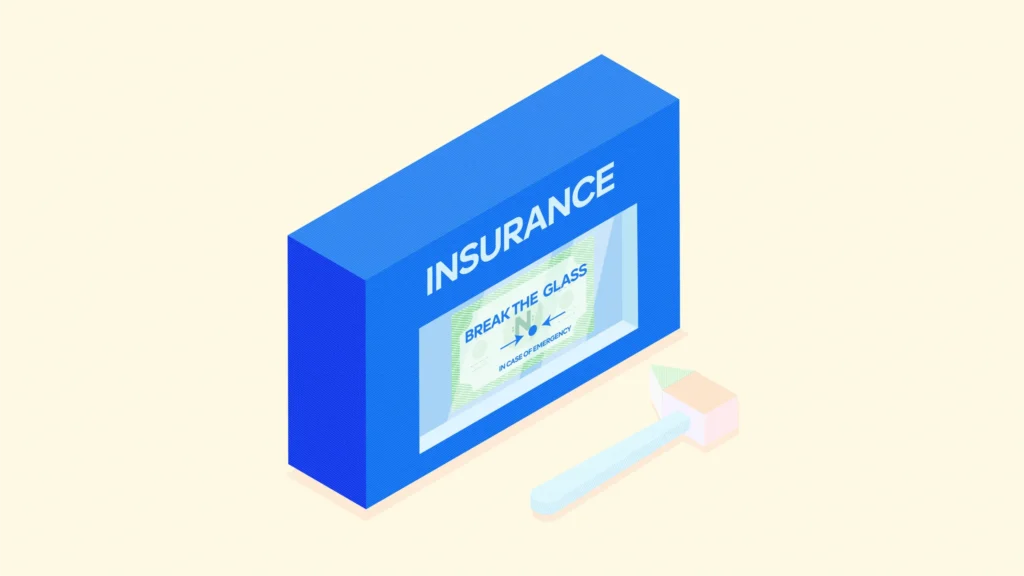
When people think about insurance, they usually focus on individual protection — covering medical expenses, repairing a damaged car, or protecting a home. But insurance also plays a much larger role in the economy.
Beyond protecting individuals, insurance acts as a financial safety net for economic systems. It helps businesses operate, encourages investment, and supports recovery after unexpected events. Without insurance, many economic activities would carry too much risk for individuals or companies to pursue.
Understanding this broader role shows why insurance is essential for modern economies.
Why Economies Need Insurance
Economic activity involves risk. Businesses invest money in projects that may succeed or fail, individuals buy property that could be damaged, and companies rely on equipment that may break or malfunction.
Without some way to manage these risks, many people would avoid large investments or complex projects.
Insurance provides a way to reduce financial uncertainty, making it easier for individuals and businesses to participate in economic activity.
Supporting Business Operations
Insurance is especially important for businesses because it helps protect them from financial losses that could interrupt operations.
Businesses often face risks such as:
-
property damage
-
workplace accidents
-
equipment failure
-
liability claims
-
supply chain disruptions
By transferring some of these risks to insurance companies, businesses can focus on growth and production rather than worrying about catastrophic financial losses.
Encouraging Entrepreneurship
Starting a new business involves uncertainty. Entrepreneurs invest time and money into ventures that may face unexpected setbacks.
Insurance helps reduce some of these risks.
For example, insurance policies may protect businesses against:
-
legal liability
-
property damage
-
employee-related risks
-
operational disruptions
This protection allows entrepreneurs to pursue opportunities that might otherwise appear too risky.
Insurance and Major Infrastructure Projects
Large infrastructure projects often require enormous financial investment.
Projects such as bridges, factories, transportation systems, and energy facilities depend on insurance to manage potential risks during construction and operation.
Investors are often more willing to fund large projects when insurance coverage exists to protect against unexpected losses.
This support helps facilitate long-term economic development.
Disaster Recovery and Economic Stability
Natural disasters, accidents, and unexpected events can cause widespread economic damage.
Insurance helps communities recover more quickly by providing financial compensation to individuals and businesses affected by losses.
After a disaster, insurance payouts can help fund:
-
rebuilding homes
-
repairing businesses
-
restoring infrastructure
-
replacing damaged property
These financial resources allow economic activity to resume more quickly.
Insurance and Financial Markets
Insurance companies are also major participants in financial markets.
Because insurers collect premiums long before claims are paid, they manage large pools of capital.
These funds are often invested in:
-
government bonds
-
corporate bonds
-
real estate
-
infrastructure projects
-
other financial assets
Through these investments, insurance companies contribute to capital markets and support economic development.
The Role of Long-Term Investment

Insurance companies often operate with long-term financial horizons.
For example, life insurance policies may last decades before benefits are paid.
This long-term structure allows insurers to invest in assets that support long-term economic projects such as:
-
infrastructure development
-
renewable energy projects
-
large-scale construction
These investments can contribute to broader economic growth.
Risk Management Across Society
Insurance spreads risk across large groups of people and organizations.
By pooling resources, insurance systems allow society to manage risks collectively rather than leaving individuals to face them alone.
This shared approach helps reduce financial instability and encourages economic participation.
The Future of Insurance and Risk
As the global economy evolves, new risks continue to emerge.
Modern insurance systems increasingly address risks related to:
-
climate change
-
cybersecurity threats
-
technological disruptions
-
global supply chain challenges
Insurance companies continually adapt their models and policies to respond to these evolving risks.
A Foundation for Economic Confidence
Insurance does more than protect individuals from unexpected losses. It helps support the stability and growth of entire economies.
By spreading risk across large groups, providing financial recovery after disasters, and supporting business investment, insurance creates an environment where economic activity can thrive.
In many ways, insurance serves as a foundation for economic confidence — allowing individuals, businesses, and governments to pursue opportunities even in a world filled with uncertainty.