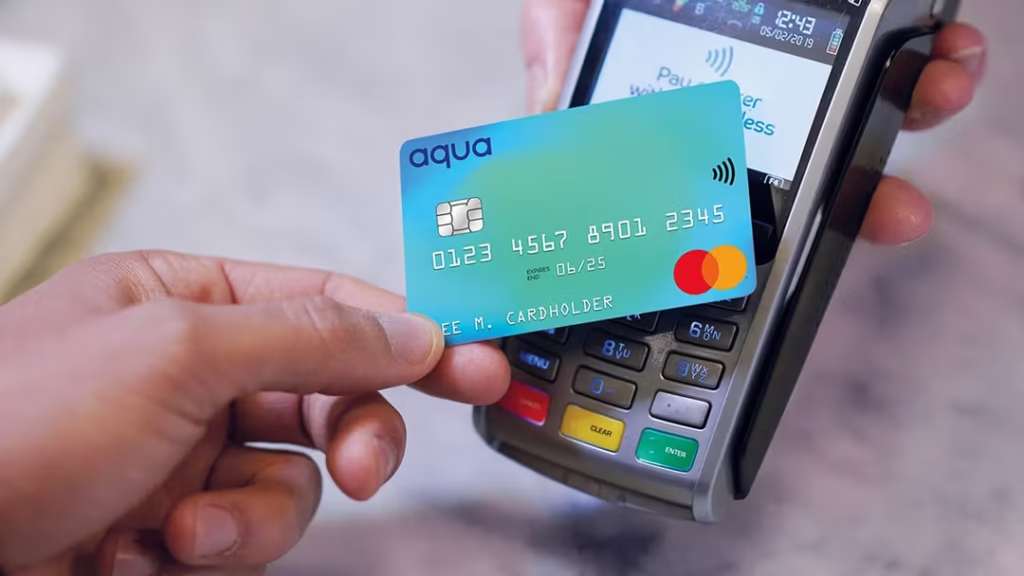
Most people think credit cards are simply tools that allow them to pay for purchases conveniently. But behind every swipe or tap lies a complex financial ecosystem involving banks, payment networks, merchants, and technology providers.
Credit cards are part of a global payment infrastructure that moves trillions of dollars every year. Understanding this system helps explain how transactions happen so quickly and why so many different institutions are involved in a single purchase.
The Four Main Players in a Credit Card Transaction
Every credit card payment typically involves four main participants.
The Cardholder
The cardholder is the consumer who uses the credit card to make a purchase.
They are responsible for repaying the borrowed money to the issuing bank according to the terms of their credit card agreement.
The Merchant
The merchant is the business that accepts credit card payments in exchange for goods or services.
Merchants benefit from accepting cards because it allows customers to make purchases even when they do not have cash available.
The Issuing Bank
The issuing bank provides the credit card to the consumer.
This bank approves transactions, extends credit to the cardholder, and manages billing statements and payments.
The Payment Network
Payment networks operate the infrastructure that connects banks and merchants.
They process transaction data, verify payments, and help ensure that money moves correctly between institutions.
What Happens When You Use a Credit Card
Although the process appears instant, several steps occur in the background during a credit card transaction.
Step 1: Authorization
When a card is used, the merchant sends a request to the payment network asking whether the transaction can be approved.
The issuing bank checks:
-
whether the card is valid
-
whether the cardholder has available credit
-
whether the transaction appears legitimate
If everything looks correct, the transaction is authorized.
Step 2: Clearing
After authorization, the transaction details are sent through the payment network for processing.
This stage confirms the transaction details and prepares the payment for settlement.
Step 3: Settlement
Finally, funds move between financial institutions.
The issuing bank transfers money to the merchant’s bank, completing the payment process.
Although the purchase feels instant to the consumer, settlement may occur later.
Merchant Fees and the Cost of Card Payments
When merchants accept credit cards, they usually pay transaction fees.
These fees help cover the costs of maintaining the payment system and compensating financial institutions involved in the transaction.
Merchant fees may support:
-
payment processing infrastructure
-
fraud prevention systems
-
credit risk management
-
customer support services
Because credit card networks process enormous numbers of transactions, even small fees can support large operational systems.
Fraud Protection Systems
Credit card networks include extensive systems designed to protect both consumers and merchants from fraud.
These systems analyze transaction patterns in real time to detect suspicious activity.
If a transaction appears unusual, the bank may:
-
request additional verification
-
temporarily decline the transaction
-
contact the cardholder
These protections help maintain trust in digital payment systems.
The Global Scale of Card Payments
Credit cards have become one of the most widely used payment methods in the world.
Every day, millions of transactions occur across international payment networks.
These networks allow consumers to make purchases:
-
in physical stores
-
online marketplaces
-
mobile payment systems
-
international travel environments
The global nature of credit card systems makes commerce easier across borders.
The Role of Technology in Payment Systems
Modern payment networks rely heavily on technology to process transactions efficiently.
Advanced systems handle tasks such as:
-
real-time authorization
-
encryption and security
-
transaction routing
-
fraud monitoring
These technologies allow the entire payment process to occur in seconds.
Credit Cards and the Future of Payments
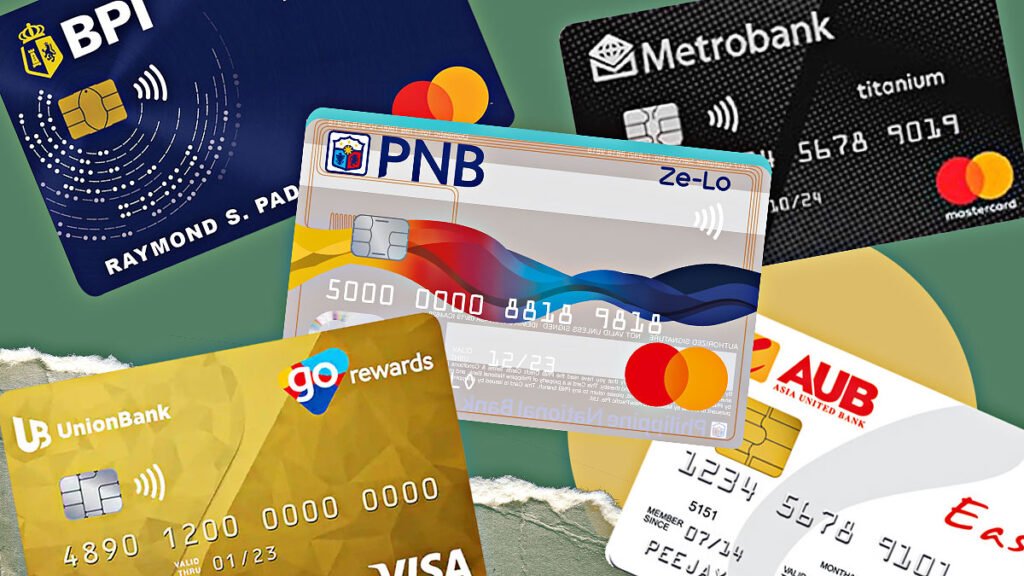
As digital payments continue evolving, credit cards remain a central part of global commerce.
New innovations are shaping the future of payment systems, including:
-
contactless payments
-
mobile wallets
-
biometric authentication
-
enhanced fraud detection technologies
These developments aim to make transactions faster, safer, and more convenient.
The Infrastructure Behind a Simple Swipe
A credit card purchase may seem simple, but it relies on a vast financial network operating behind the scenes.
Banks, payment networks, merchants, and technology systems work together to process transactions, move money, and protect users from fraud.
Understanding this ecosystem highlights how modern payment systems function and why credit cards have become such an essential part of everyday financial life.