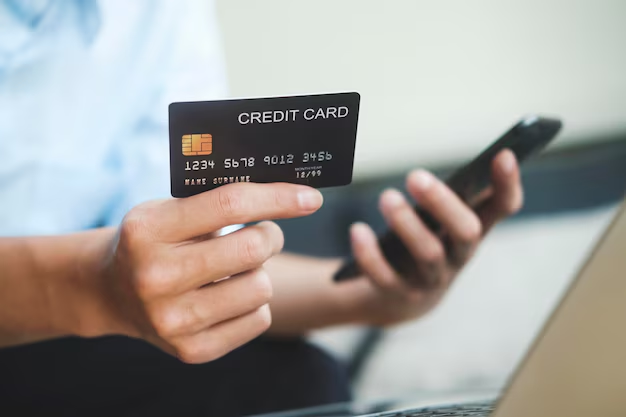
Credit cards are part of everyday life for millions of people. They make purchases fast and convenient, help build credit history, and often provide attractive rewards. But they also come with real risks if you don’t understand how to manage them properly.
The good news is that mastering credit cards isn’t complicated once you understand the fundamentals. This complete guide walks you through how credit cards work, how to choose the right one, and how to use them in a way that strengthens — not harms — your financial life.
What a Credit Card Really Is
At its core, a credit card is a reusable short-term loan. Each time you swipe or tap your card, the issuer pays the merchant on your behalf. You then repay the issuer later.
Because this is revolving credit, your available limit replenishes as you pay down your balance.
Key Terms Every Cardholder Should Know
Understanding these basics prevents costly confusion:
-
Credit limit: Maximum amount you can borrow
-
Statement balance: Amount owed from the last billing cycle
-
Current balance: Real-time total you owe
-
APR: Interest rate charged on unpaid balances
-
Grace period: Time to pay without interest
-
Minimum payment: Smallest required monthly payment
Learning these terms is the foundation of smart credit use.
How the Monthly Billing Cycle Works
Many mistakes happen because people misunderstand timing.
The Typical Timeline
Here’s what happens each month:
-
You make purchases during the billing period
-
Your statement closes
-
The issuer sends your bill
-
You receive a due date
-
Interest applies only if you carry a balance
The Most Important Habit
To avoid interest completely:
✅ Pay the statement balance in full
❌ Don’t rely on paying only the minimum
This single habit separates efficient users from those who pay unnecessary interest.
The Truth About Credit Card Interest
Credit card interest is powerful because it compounds. Even moderate balances can become expensive over time.
Why APR Matters
APR represents the yearly cost of borrowing. Most credit cards have relatively high APRs compared to other loans.
If you carry a balance:
-
Interest is calculated daily
-
Charges accumulate quickly
-
Debt becomes harder to eliminate
Simple Example
A balance that seems manageable can cost far more than expected if only minimum payments are made. That’s why interest avoidance should be your top priority.
Major Types of Credit Cards
Choosing the right card depends on your financial goals and spending habits.
Flat-Rate Cash Back Cards
These cards earn the same reward on every purchase.
Pros:
-
Simple to use
-
Predictable rewards
-
Minimal tracking required
Best for: People who want a straightforward setup.
Category Rewards Cards
These offer higher rewards in specific spending categories like groceries, gas, or dining.
Pros:
-
Higher earning potential
-
Great for targeted spending
Cons:
-
Requires more attention
-
Categories may rotate
Best for: Organized users who don’t mind tracking.
Travel Rewards Cards
Travel cards focus on points or miles that can be redeemed for flights, hotels, and travel perks.
Typical benefits:
-
Airline or hotel points
-
Travel insurance
-
No foreign transaction fees
-
Lounge access (premium cards)
Best for: Frequent travelers.
Credit-Building Cards
Includes secured cards and starter cards designed for people with limited or damaged credit.
Best for:
-
Beginners
-
Students
-
Rebuilding credit history
How Credit Cards Affect Your Credit Score
Your behavior with credit cards heavily influences your credit profile.
Payment History (Highest Impact)
Always paying on time builds strong credit over time. Even one late payment can cause damage.
Helpful tip: Enable automatic payments.
Credit Utilization (Second Most Important)
This measures how much of your available credit you’re using.
Healthy ranges:
-
Under 30% → Good
-
Under 10% → Excellent
Lower utilization shows lenders you’re not overextended.
Length of Credit History
Older accounts strengthen your profile. Think carefully before closing long-standing cards.
New Applications
Each hard inquiry can cause a small temporary dip in your score.
Credit Mix
Having multiple types of credit can provide a modest boost.
Smart Daily Habits for Credit Card Success
You don’t need complicated strategies. Consistency matters most.
Habit #1: Treat Your Card Like Cash
Only charge what you could pay for immediately with money in your bank account.
Habit #2: Pay Early When Possible
Paying before the statement closes can help keep reported balances low.
Habit #3: Use Alerts and Automation
Most issuers allow:
-
Payment reminders
-
Spending alerts
-
Balance notifications
-
Fraud warnings
Automation reduces human error.
Habit #4: Review Statements Monthly
Look for:
-
Unauthorized charges
-
Forgotten subscriptions
-
Unexpected fees
-
Reward accuracy
This takes just a few minutes and provides strong protection.
How to Maximize Credit Card Rewards
If you already pay in full each month, rewards become a powerful bonus.
Focus on High-Value Spending
Put regular expenses on your card:
-
Groceries
-
Utilities
-
Gas
-
Streaming services
-
Travel purchases
Avoid spending extra just to earn rewards.
Understand Reward Value
Not all redemptions are equal.
-
Cash back → simplest
-
Travel transfers → often highest value
-
Gift cards → sometimes discounted
-
Statement credits → convenient
Smart redemption strategy can significantly increase total value.
Credit Card Fees You Should Watch Closely
Even good cards can become expensive if fees accumulate.
Common Fees
Be aware of:
-
Annual fees
-
Late fees
-
Foreign transaction fees
-
Balance transfer fees
-
Cash advance fees
How to Minimize Fees
You can avoid most costs by:
-
Paying on time
-
Avoiding cash advances
-
Choosing cards that match your habits
-
Reading the terms carefully
Security Tips for Modern Cardholders
Credit cards are generally very secure, but good habits add extra protection.
Built-In Protections
Most cards include:
-
Fraud monitoring
-
Zero liability protection
-
EMV chip security
-
Contactless safeguards
-
Virtual card numbers
Personal Safety Practices
Protect yourself by:
-
Turning on real-time alerts
-
Monitoring statements
-
Using secure networks
-
Locking your card if needed
-
Avoiding suspicious websites
Security is strongest when technology and awareness work together.
Common Credit Card Mistakes to Avoid
Many problems come from a few repeated errors.
Carrying a Balance for Rewards
Interest usually cancels out reward value.
Missing Due Dates
Late payments can lead to fees and credit score damage.
Maxing Out Your Limit
High utilization can quickly hurt your credit profile.
Applying for Too Many Cards
Multiple applications in a short time can concern lenders.
Build Discipline, Not Debt
Credit cards are powerful financial tools when used with intention and discipline. They can help you build strong credit, earn meaningful rewards, and protect your purchases. But without careful management, they can become expensive liabilities.
The formula for success is simple:
-
Spend within your means
-
Pay the statement balance in full
-
Keep utilization low
-
Monitor your account regularly
-
Choose cards that fit your lifestyle
Follow these principles consistently, and credit cards will become a helpful ally in your financial journey rather than a source of stress.