Dining out is one of life’s great pleasures. Whether it’s a quick lunch with colleagues, a romantic date night, or a celebratory family dinner, restaurants offer a social experience and a culinary escape that home cooking just can’t replicate. However, for those of us focused on building wealth and managing a strict budget, the “restaurant tax” can be a major hurdle.
In the United States and across the globe, the cost of dining out has surged. Between rising labor costs, inflation affecting food supplies, and the proliferation of service fees, a “modest” meal can easily turn into a triple-digit expense. But here’s the secret: you don’t have to stop eating out to save money. You just need to change how you eat out.
By applying a few strategic shifts in your behavior, you can enjoy the same flavors and atmosphere for a fraction of the cost. Here are 7 advanced tips to help you spend less at restaurants while still living your best life.
1. Master the “Liquid Margin”: How to Save on Beverages and Alcohol
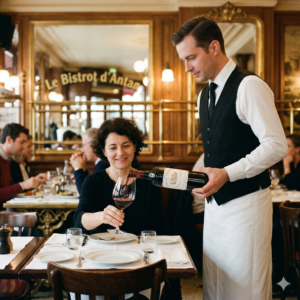
The single biggest markup in any restaurant isn’t the steak or the pasta—it’s what’s in your glass. Restaurants typically aim for a 300% to 500% markup on alcoholic beverages. A bottle of wine that costs the restaurant $15 might be listed on the menu for $60. A cocktail containing two ounces of spirits might run you $18.
The Power of Tap Water
It sounds simple, but opting for “house water” instead of bottled sparkling water, soda, or iced tea can save a family of four nearly $20 before the food even arrives. In the U.S., tap water is free and high-quality. If you’re at a high-end establishment, don’t feel embarrassed to specify “tap” when the server asks, “Sparkling or still?”
The BYOB Strategy
In many parts of the country, “Bring Your Own Bottle” (BYOB) restaurants are a goldmine for the budget-conscious foodie. Even if the restaurant charges a “corkage fee” (usually between $10 and $25), you are still likely saving significant money compared to buying a bottle from their list. Just be sure to call ahead and verify their policy.
2. Leverage “Happy Hour” and Early Bird Specials for Maximum Value
If you are flexible with your schedule, you can eat at the best places in town for 30% to 50% less simply by arriving earlier.
The Happy Hour Pivot
Happy Hour isn’t just for drinks anymore. Many modern American bistros and gastropubs offer a “Happy Hour Food Menu” featuring full-sized appetizers or smaller “sliders” for half the price of a standard entrée. By arriving at 5:00 PM instead of 7:30 PM, you can turn a series of appetizers into a full, diverse meal for a fraction of the cost.
The “Lunch for Dinner” Hack
Many restaurants serve nearly identical dishes for lunch and dinner, but the lunch price is often significantly lower. If you’re planning a social outing, suggest a late lunch or a “brunch” instead of a formal dinner. You get the same chef, the same ingredients, and the same ambiance for a “daytime” price.
3. The “Appetizer-as-Entrée” Strategy: Managing Portion Distortion
American portion sizes are notoriously large. Often, a single entrée contains enough calories and volume for two full meals. This “portion distortion” leads to overeating and overspending.
Small Plates, Big Savings
Next time you browse a menu, look closely at the appetizer section. Often, two appetizers (like a calamari dish and a hearty salad) provide a more interesting and perfectly sized meal than one heavy pasta dish. This usually costs 25% less than a standard entrée.
The Split-Entrée Approach
If you are dining with a partner, consider sharing one large entrée and one side dish. Many restaurants are happy to “split” the plate in the kitchen for a small fee (usually $2-$5), which is far cheaper than ordering two $35 steaks. This allows you to enjoy the high-end experience without the “food coma” or the high bill.
4. Decode the Menu Design: Avoiding Psychological Traps
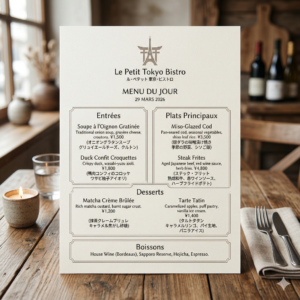
Restaurant menus are not just lists of food; they are carefully engineered marketing documents designed to steer you toward high-margin items.
Beware of “The Anchor”
Restaurants often place a very expensive item at the top of the menu (like a $120 seafood tower). This is called “anchoring.” It makes the $45 ribeye underneath it look like a bargain by comparison. Don’t let the most expensive item dictate your perception of value.
Skip the “Specials” (Unless You Ask the Price)
Servers are trained to describe the daily specials with mouth-watering adjectives. Notice that they rarely mention the price. In many cases, the “Chef’s Special” is the most expensive item of the night because it isn’t listed on the printed menu. Always ask, “What is the price of the sea bass special?” before ordering to avoid a “bill shock” at the end of the night.
5. Use Technology and Loyalty Programs to Your Advantage
In the digital age, being a “loyal” customer pays literal dividends. Almost every major chain and many local boutiques now offer apps or digital rewards.
Reward Apps and Credit Card Buffers
Use apps like Seated, OpenTable, or Resy, which often offer points that can be redeemed for gift cards or discounts. Furthermore, ensure you are using a credit card that offers “3x” or “4x” points on dining. If you spend $5,000 a year on dining out, a 4% cashback card effectively gives you $200 back—basically two free high-end dinners a year.
Join the “Email List” (With a Burner Account)
Create a separate email address just for restaurant newsletters. Many places will send you a “Buy One, Get One” coupon or a free appetizer just for signing up, plus substantial discounts on your birthday and anniversary.
6. The “Leftover” Investment: Thinking in Two-Meal Increments
If you are going to pay $25 for a meal, try to make sure it feeds you twice. This effectively brings the cost down to $12.50 per meal, which is often cheaper than buying fast food.
The “Half-and-Half” Technique
When your plate arrives, immediately ask the server for a to-go box. Divide your meal in half before you even take the first bite. Not only does this prevent you from overeating, but it also ensures you have a delicious, high-quality lunch ready for work the next day. This “pre-packing” prevents the temptation to graze on the whole plate just because it’s in front of you.
7. Navigate “Service Fees” and Tipping with Confidence
The tipping culture in the U.S. has changed dramatically in the last few years. Understanding the math behind the bill is essential for saving money.
Check for “Automatic Gratuity”
Many restaurants now add a 18% or 20% “Service Charge” or “Wellness Fee” automatically, especially for parties of six or more. Always check the bottom of your bill. If you don’t look, you might accidentally “double-tip,” adding another 20% on top of a bill that already included the tip.
Order Takeout to Skip the “Full Service” Cost
If you love a specific restaurant’s food but don’t care about the table service, order to go. You’ll save on the 20% tip, the cost of drinks, and the pressure to order appetizers or desserts. You can enjoy a high-end meal in your pajamas while watching your favorite show, all while keeping your “dining out” budget intact.
Beyond the Tips: The “Social Dining” Mindset

To truly save money in the long run, you have to look at the social aspect of dining out. Often, we go to restaurants because we want to see our friends, not because we are particularly hungry for a specific dish.
The “Coffee and Walk” Alternative
Instead of meeting a friend for a $60 brunch, suggest meeting at a local park with a $5 coffee. You get the same quality time and social connection for 90% less money.
The “Appetizers and Drinks” Meetup
If you are invited to a dinner that you know is out of your budget, eat a small meal at home first. Join the group for a drink and one appetizer. You get to participate in the conversation and the “vibe” of the evening without the financial stress of a full three-course dinner.
Dining Out as a Wealth-Building Strategy
At its core, personal finance is about intentionality. Saving money at restaurants isn’t about being “cheap”; it’s about being “frugal.” It’s the choice to spend money on the things that actually bring you joy—the food and the company—while cutting out the “waste” like overpriced sodas, accidental double-tips, and massive portions you don’t even finish.
By implementing these seven tips, you can likely reduce your monthly dining expenses by 20% to 40%. If you invest that “found money” into a low-cost index fund, you aren’t just saving on dinner—you are literally turning your restaurant habits into a retirement fund.